DNA study reveals origins, migrations and genetic legacy of 'forgotten' Sarmatians
Phys.org • 10/27/2025 – 10/29/2025

Summary
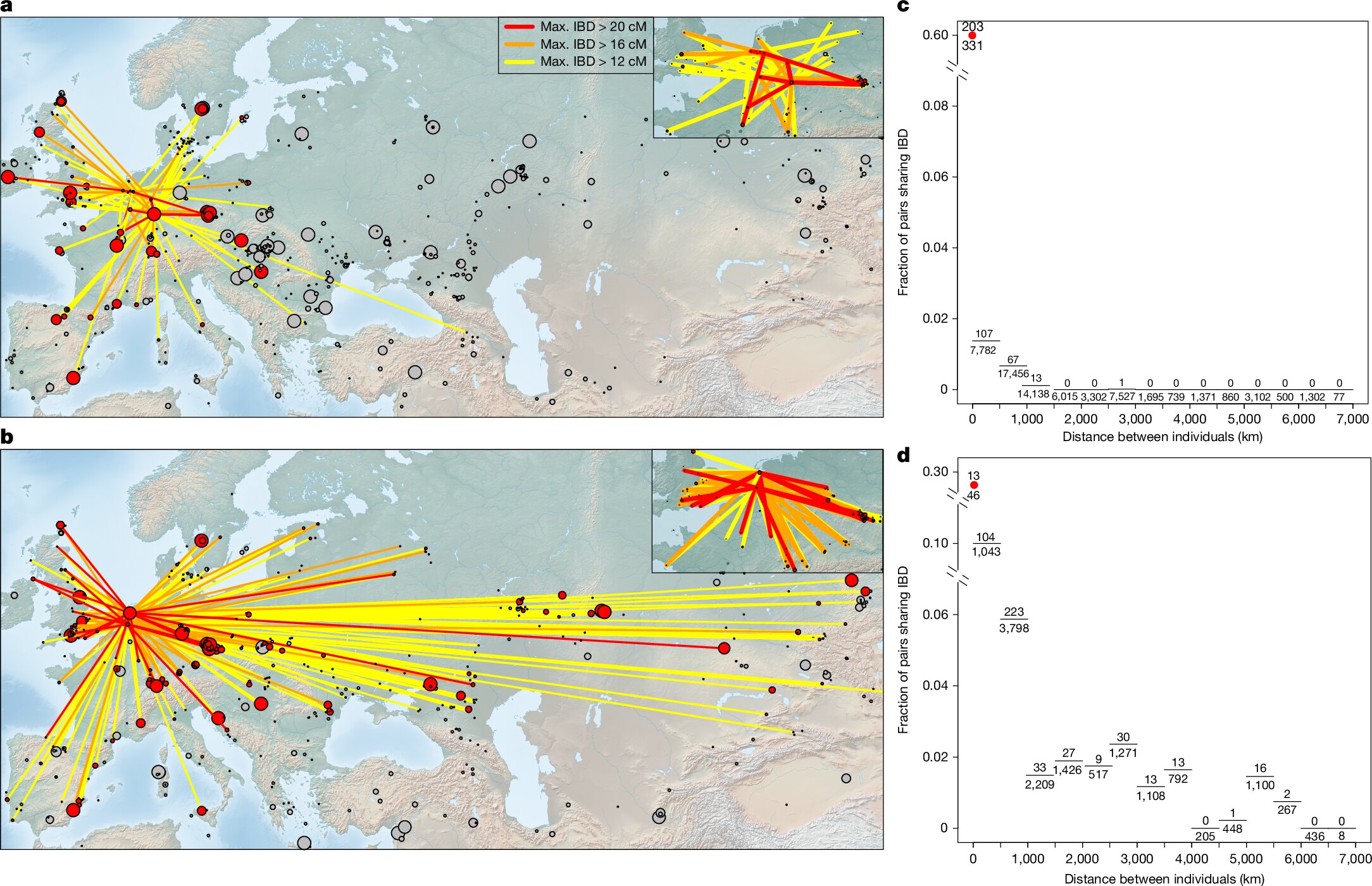
In a recent study, Dr. Oszkár Schütz and his colleagues analyzed 156 ancient genomes from the Sarmatian period, which spanned from the 1st to the 5th centuries CE. The primary objective of this research was to clarify the origins and genetic relationships of the Carpathian Basin Sarmatians. The study also aimed to explore the connections between these ancient populations and other groups from the Eurasian steppe, as well as local populations. This research contributes to a deeper understanding of the genetic legacy and migrations of the Sarmatians, who have often been overlooked in historical narratives. The analysis of these ancient genomes provides insights into the genetic makeup of the Sarmatians, revealing their origins and how they interacted with neighboring populations. By examining the genetic relationships of the Sarmatians, the study sheds light on their movements and the influence they had on the genetic landscape of the Carpathian Basin. This work is significant as it fills gaps in the historical understanding of the Sarmatians, a group that has not received extensive attention in previous studies. In a separate development, researchers at Leiden, led by Sebastian Pomplun, have created a new method for drug discovery that utilizes mass spectrometry instead of traditional DNA tags. This innovative approach aims to screen hundreds of thousands of molecules more efficiently, making drug discovery faster and more accessible. The advancements in this method could significantly impact the pharmaceutical industry by overcoming limitations associated with big DNA barcodes, ultimately leading to more effective drug development processes.
Advertisement
Cluster Activity
Lindy Score Breakdown (V4.2)
Story Timeline
- 2025-10-27
- 2025-10-29DNA study reveals origins, migrations and genetic legacy of 'forgotten' Sarmatians (current)
- 2025-10-30
Score BreakdownRisk 50
Stories gain Lindy status through source reputation, network consensus, and time survival.
Same Story from 3 sources


Breaking Similar stories




Anti-Lindy Similar stories