Angstrom-level imaging and 2D surfaces allow real-time tracking and steering of DNA
Phys.org • 11/10/2025 – 11/11/2025

Summary
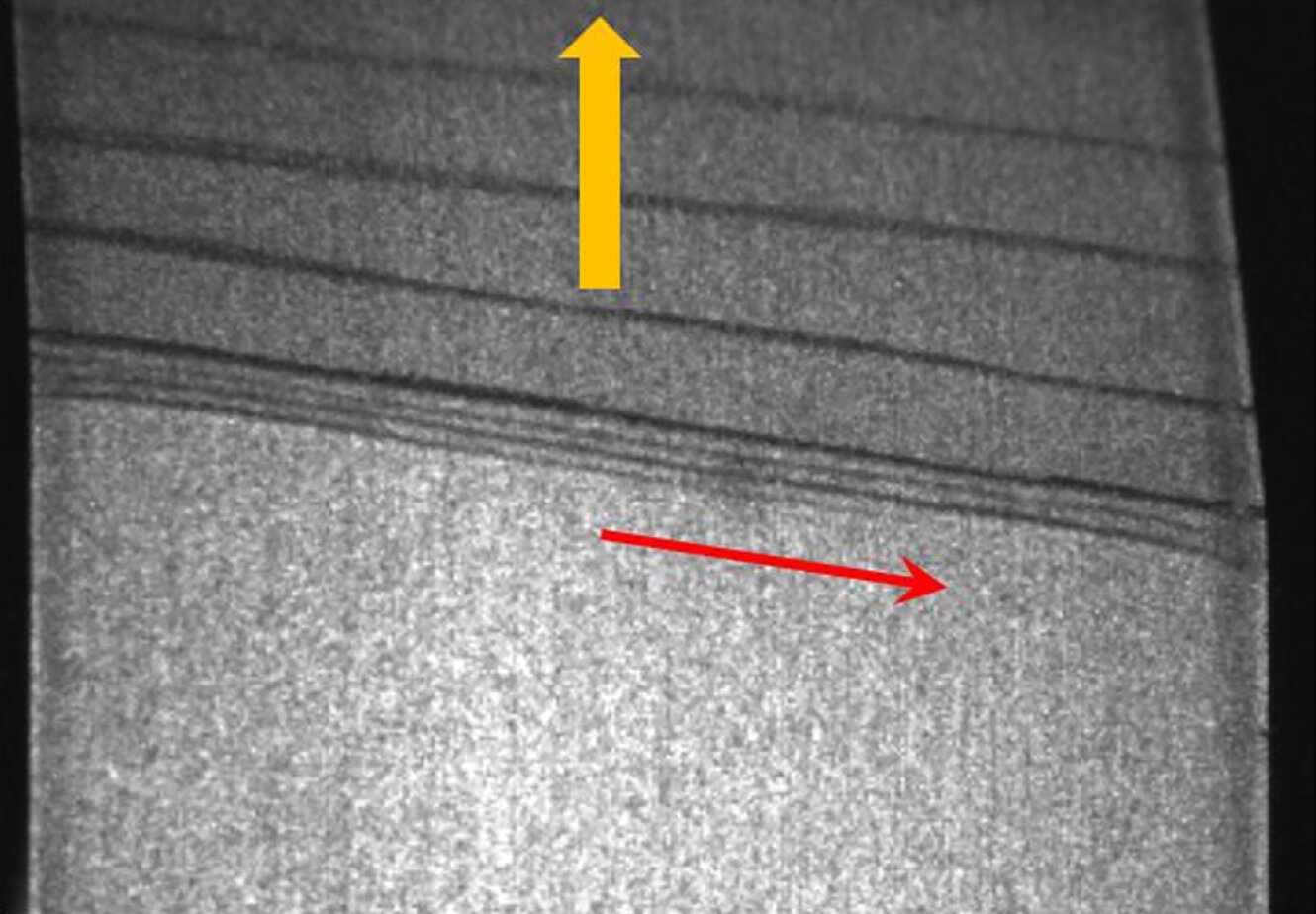
Researchers have made significant advancements in the study of DNA, particularly in capturing the dynamic movements of DNA strands. Traditionally, images of DNA appear orderly, but in reality, the strands are constantly twisting, bending, and undergoing repairs by proteins. These nanoscale movements present challenges for researchers, as high-fidelity imaging is required to observe the intricate details of DNA behavior (PRIMARY SOURCE). In addition to imaging, there have been developments in nanotechnology that utilize DNA. Teams have been creating modular robots inspired by origami, specifically using folded strands of DNA to form reconfigurable structures. These DNA origami arrays are being explored for their potential in developing new nanoscale systems that could have applications in medicine (ADDITIONAL SOURCES). Moreover, a team led by Graham Hatfull at the University of Pittsburgh has developed a method for constructing bacteriophages with entirely synthetic DNA. This innovation allows for the editing of genes on a gene-by-gene basis, which could enhance the understanding of bacteriophages and their potential therapeutic applications in treating bacterial infections (ADDITIONAL SOURCES). Furthermore, a new fluorescent sensor developed at Utrecht University enables scientists to observe DNA damage and repair processes in real time within living cells. This tool is expected to significantly impact research areas such as cancer, drug safety testing, and aging biology, facilitating experiments that were previously unfeasible (ADDITIONAL SOURCES).
Advertisement
Cluster Activity
Lindy Score Breakdown (V4.2)
Story Timeline
- 2025-11-10
- 2025-11-11Angstrom-level imaging and 2D surfaces allow real-time tracking and steering of DNA (current)
- 2025-11-18
- 2025-11-20
Score BreakdownRisk 50
Stories gain Lindy status through source reputation, network consensus, and time survival.
Same Story from 4 sources


Breaking Similar stories







Anti-Lindy Similar stories