RNA 'editing' process offers new clues to why some animals live longer
Phys.org • 11/14/2025 – 11/24/2025

Summary
A study by scientists at the University of California, Riverside, and the University of Southern California suggests that the genetic process of alternative splicing may provide insights into the differing lifespans of mammals. The researchers describe this process as a form of "editing" the genetic recipe, which could help explain why some animals live significantly longer than others.
Advertisement
Cluster Activity
2
1
1
1
1
2025-11-142025-11-27
Lindy Score Breakdown (V4.2)
97d
Age
1
Sources
from cluster
2321
Hours Since Seen
Final Score0/100
CategoryAntiLindy
StatusArchived
Recency Multiplier0% (0.5^2321/48)
Hero EligibleNo
Score is 0 because recency decay (0.5^2321/48 = 0.000000) reduced it below 0.5
Story Timeline
- 2025-11-14
- 2025-11-21
- 2025-11-24RNA 'editing' process offers new clues to why some animals live longer (current)
- 2025-11-25
- 2025-11-27
Score BreakdownRisk 50
Source Reputation: Low-trust source (6/20 pts)
Consensus: Single source - no independent confirmation yet
Age: 96 days - proven survivor
Stories gain Lindy status through source reputation, network consensus, and time survival.
Same Story from 6 sources

DNA transcription is a tightly choreographed event: How RNA polymerase II regulates the dance
Phys.org • 3+ months

Archaea can modify ribosomal RNA to survive extreme heat environments
Phys.org • 3+ months

Unlocking the genome's hidden half with new DNA sequencing technology
Phys.org • 3+ months

How cells preserve mitochondrial DNA quality across generations
Phys.org • 3+ months

Simultaneous imaging of intracellular DNA and RNA using harmless light
Phys.org • 3+ months
Breaking Similar stories
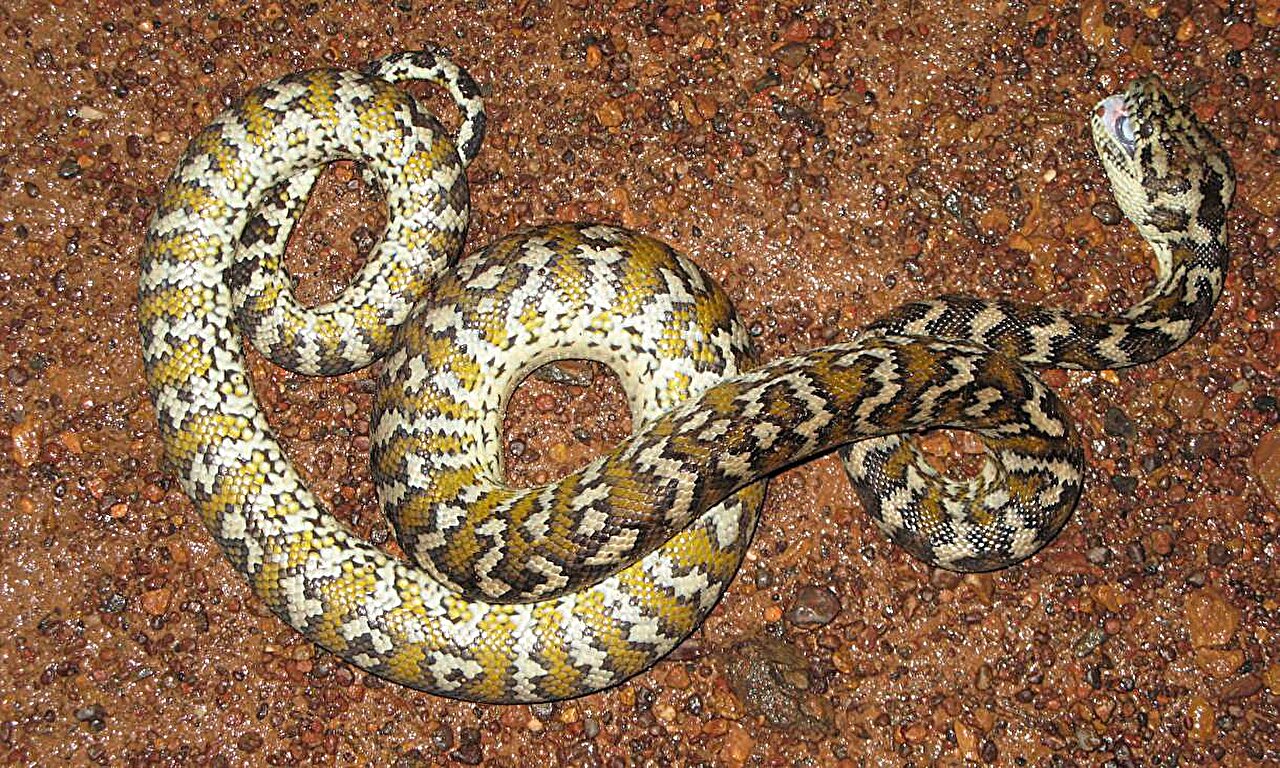
Roadkill research offers ethical alternative to live capture in some wildlife studies
Phys.org • Today

Exceptionally preserved 551-million-year-old site suggests Avalon biota lasted longer - Phys.org
Phys.org • 2 days ago

Raincoat no longer waterproof? A textile scientist explains why—and how to fix it
Phys.org • 2 days ago
Tackling the global tuberculosis crisis: An emerging class of antibiotics offers hope
Phys.org • 2 days ago

Katharine Burr Blodgett made a breakthrough when she discovered ‘invisible glass’
Scientific American • 2 days ago
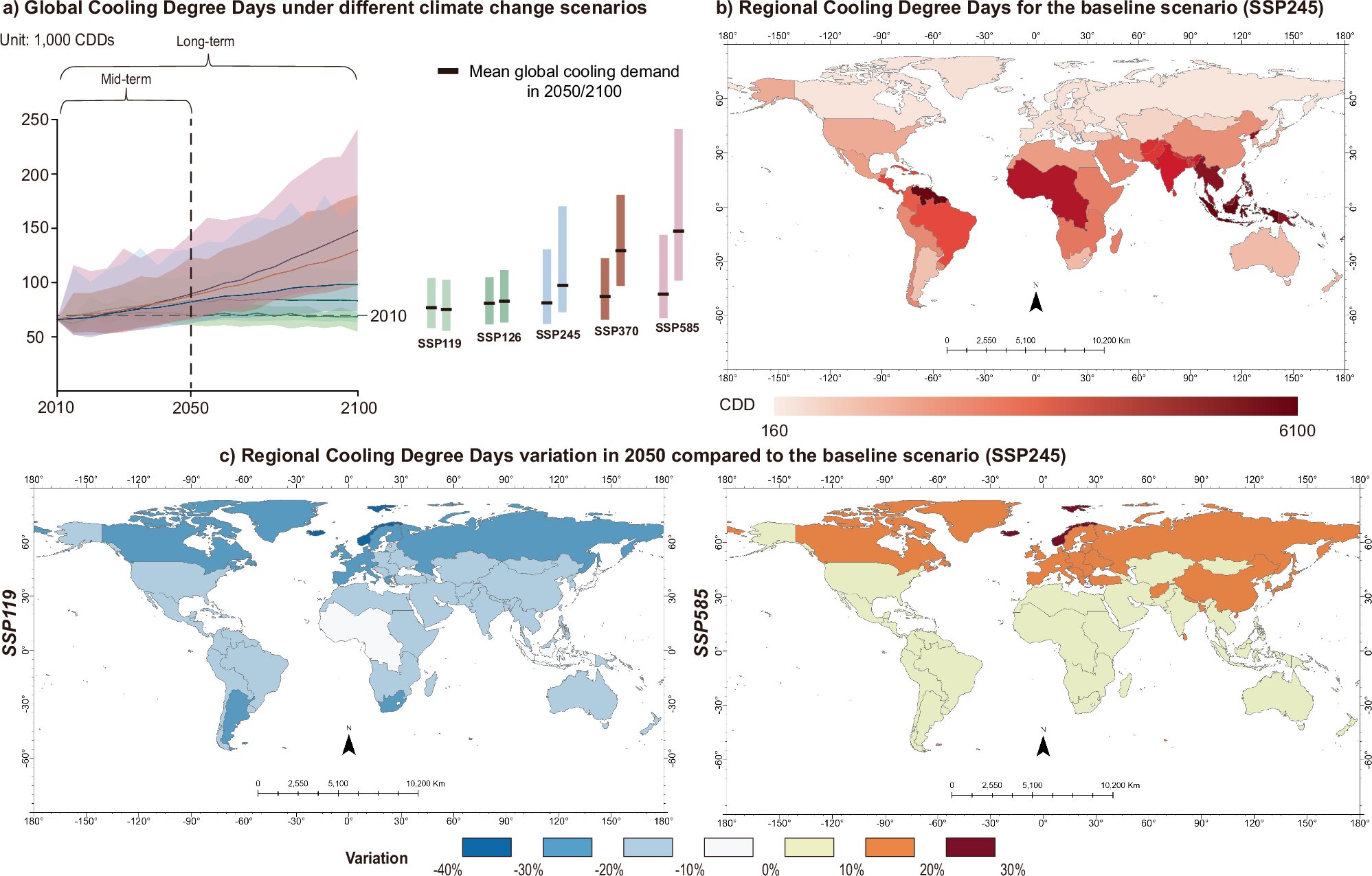
The climate cost of staying cool: How AC could impact global warming by 2050
Phys.org • Today
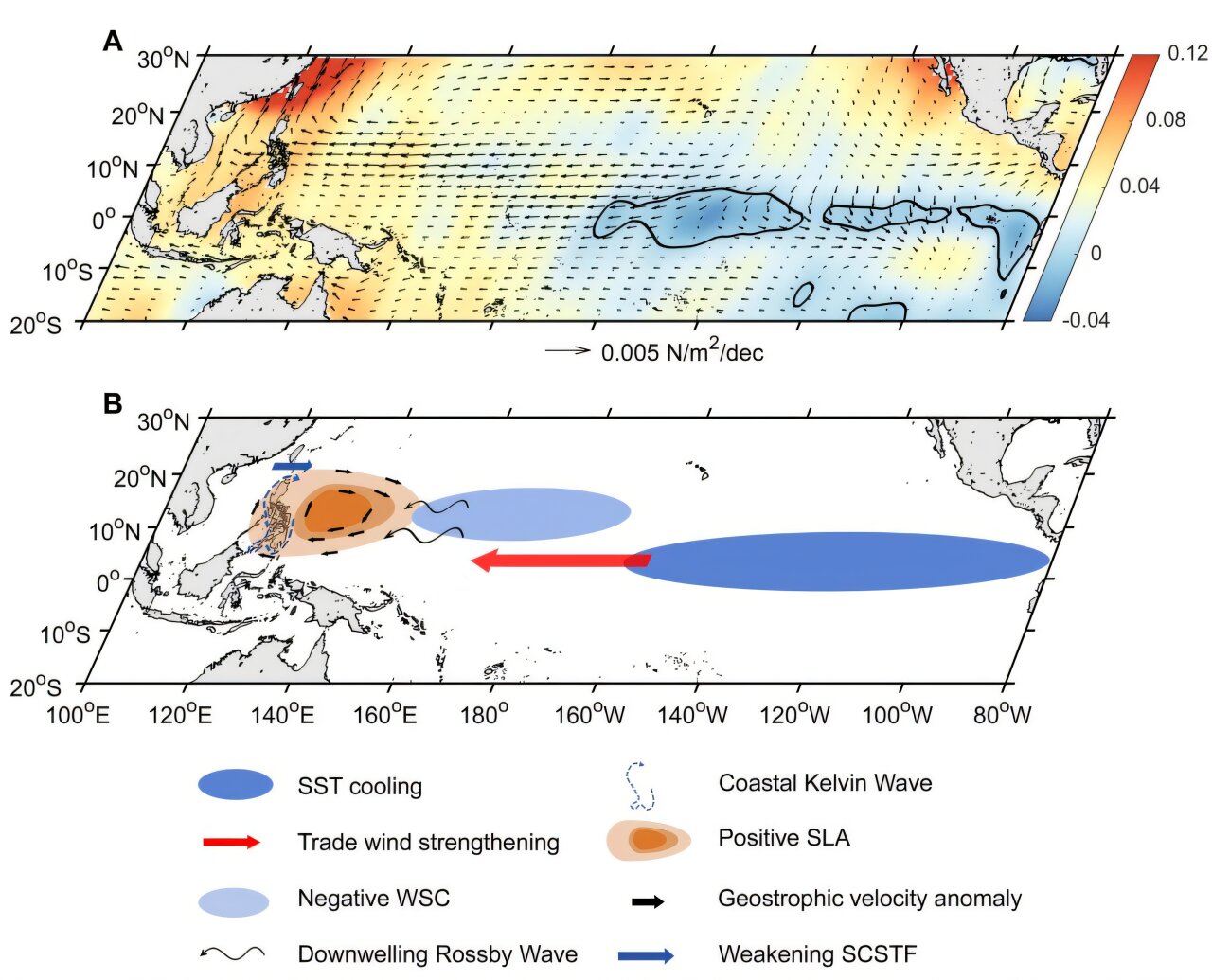
Coral proxy data reveals century-long slowdown of South China Sea throughflow under global warming
Phys.org • 1 day ago
Global review finds human noise disrupts birds and cuts breeding success
Phys.org • Today

Integrating genomics insights with game theory
Phys.org • Today
Using moon dirt with 3D printing to build future lunar colonies
Phys.org • 1 day ago
Anti-Lindy Similar stories

Q&A: Why the fall of Mexico's most wanted kingpin matters
Phys.org • 4 days ago

NASA hopes fuel leaks are fixed as it launches another countdown test for the Artemis II moonshot
Phys.org • 1 week ago

NASA sets a date for redo of key Artemis II test
Scientific American • 1 week ago

This company claims a battery breakthrough. Now they need to prove it.
MIT Technology Review • 3 days ago

NASA reveals new problem with Artemis II rocket, further delaying launch
Scientific American • 1 week ago

NASA will return its moon rocket to the hangar for more repairs before astronauts strap in
Phys.org • 6 days ago

NASA moon rocket hit by new problem, putting March launch with astronauts in jeopardy
Phys.org • 1 week ago

NASA moves forward with Artemis II tanking test that could set up moonshot mission
Phys.org • 1 week ago

Anthropic’s safety-first AI collides with the Pentagon as Claude expands into autonomous agents
Scientific American • 1 week ago

NASA completes a critical test of Artemis II, paving the way for launch to the moon
Scientific American • 1 week ago