Starmer claims UK government ‘united’ amid calls to quit over Epstein fallout
South China Morning Post • 2/8/2026 – 2/10/2026

Summary
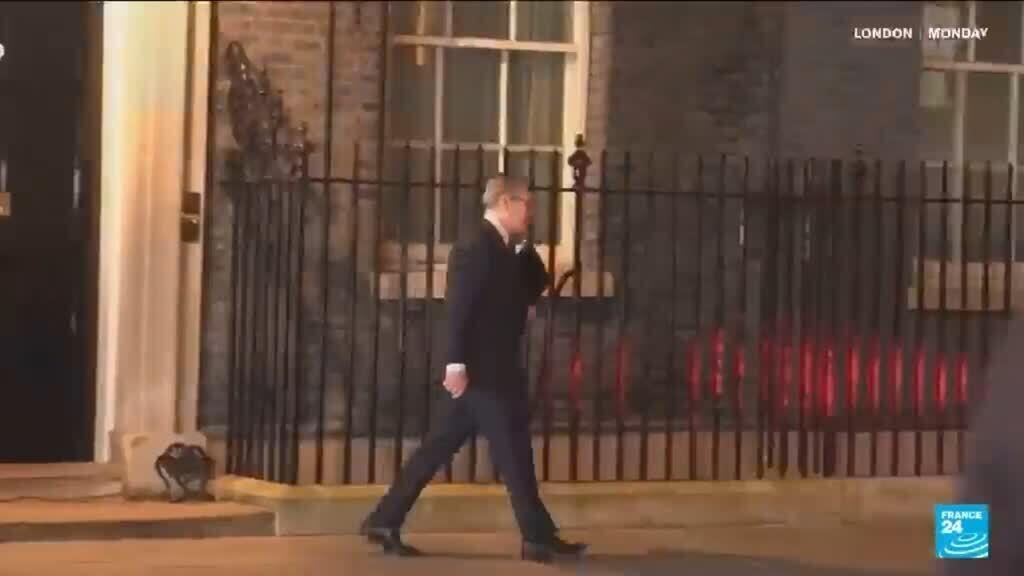
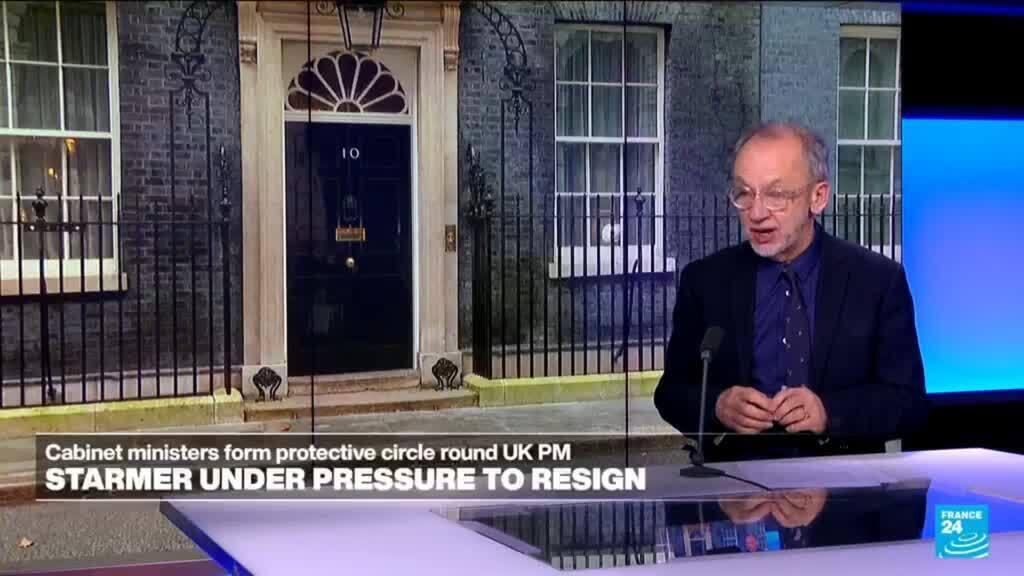
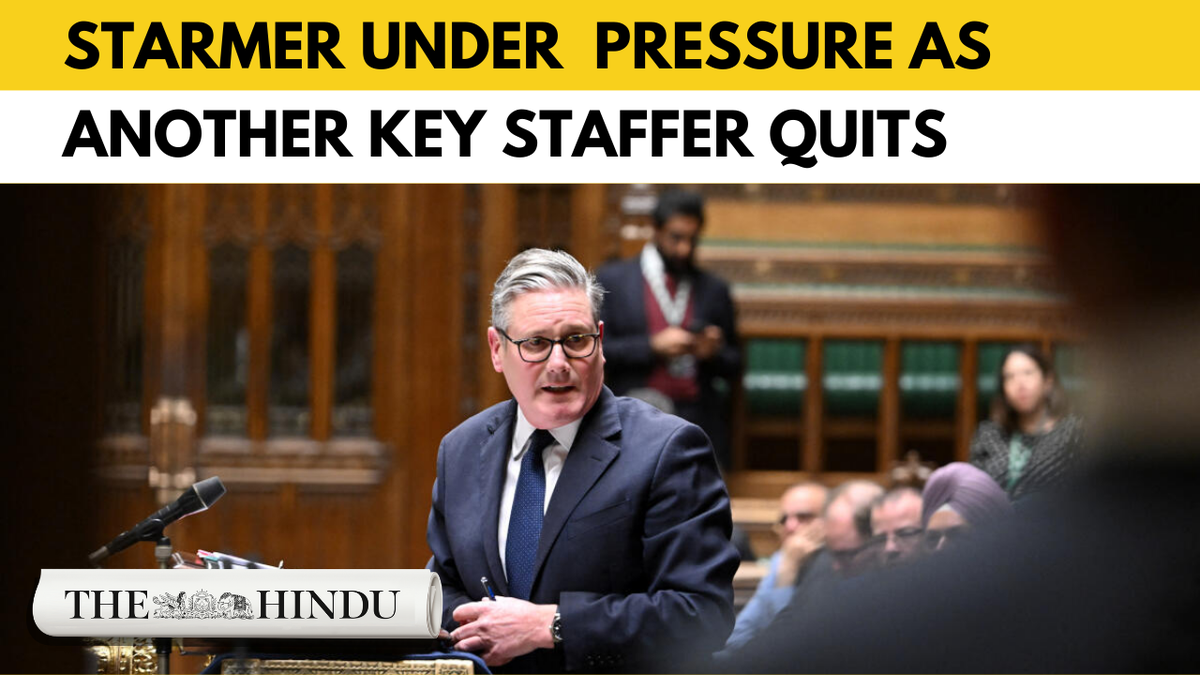
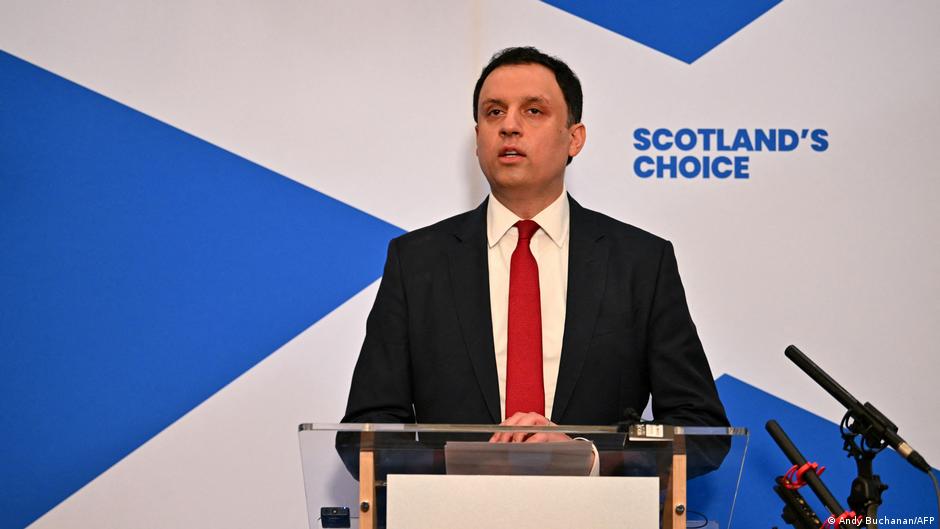
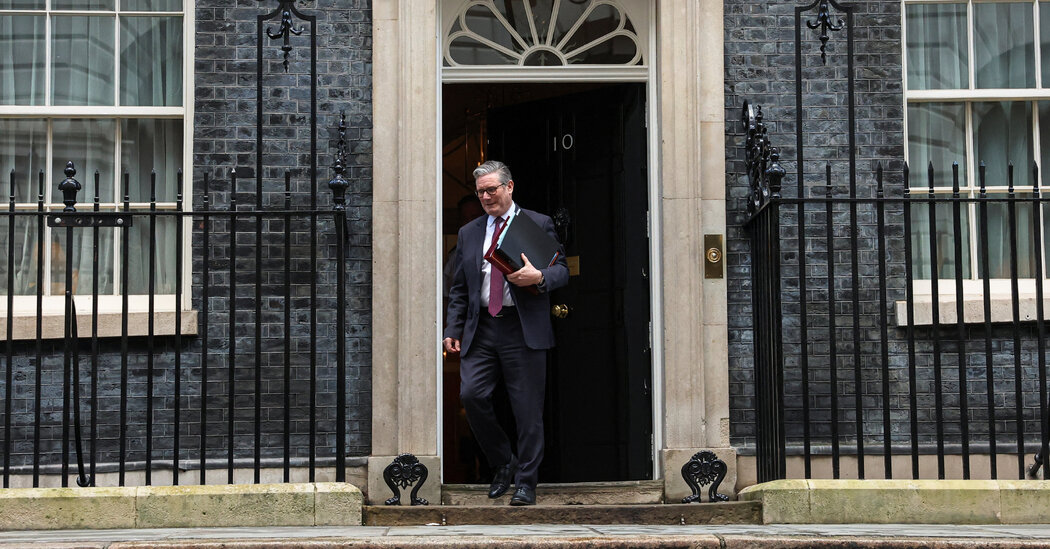
British Prime Minister Keir Starmer faced significant pressure to resign amid a scandal involving Jeffrey Epstein. On Monday, Scottish Labour leader Anas Sarwar publicly called for Starmer's resignation, which added to the scrutiny surrounding his leadership. In response, Starmer addressed a meeting of government ministers, asserting that the government was “strong and united” and that he would not resign just 19 months into his five-year term (France24). The controversy intensified following the resignation of Starmer's chief of staff, Morgan McSweeney, on Sunday. McSweeney stepped down after admitting he had advised the appointment of Peter Mandelson as ambassador to Washington, a decision criticized due to Mandelson's past links to convicted sex offender Jeffrey Epstein. McSweeney stated, "The decision to appoint Peter Mandelson was wrong. He has damaged our party, our country and trust in politics itself" (France24). The fallout continued as Starmer's communications chief, Tim Allan, also resigned on Monday, indicating a need for a new team to support the Prime Minister during this crisis. Allan's departure followed closely after McSweeney's resignation and was part of the broader criticism of Starmer's judgment regarding the Mandelson appointment (France24). Despite these challenges, senior ministers rallied around Starmer, who insisted he would not "walk away" from his position as Prime Minister, emphasizing his commitment to lead the government through this turbulent period (Al Jazeera, France24).
Advertisement
Cluster Activity
Lindy Score Breakdown (V4.2)
Story Timeline
- 2026-02-08
- 2026-02-09
- 2026-02-10Starmer claims UK government ‘united’ amid calls to quit over Epstein fallout (current)
- 2026-02-12
Score BreakdownRisk 25
Stories gain Lindy status through source reputation, network consensus, and time survival.
Same Story from 11 sources





Breaking Similar stories







Anti-Lindy Similar stories