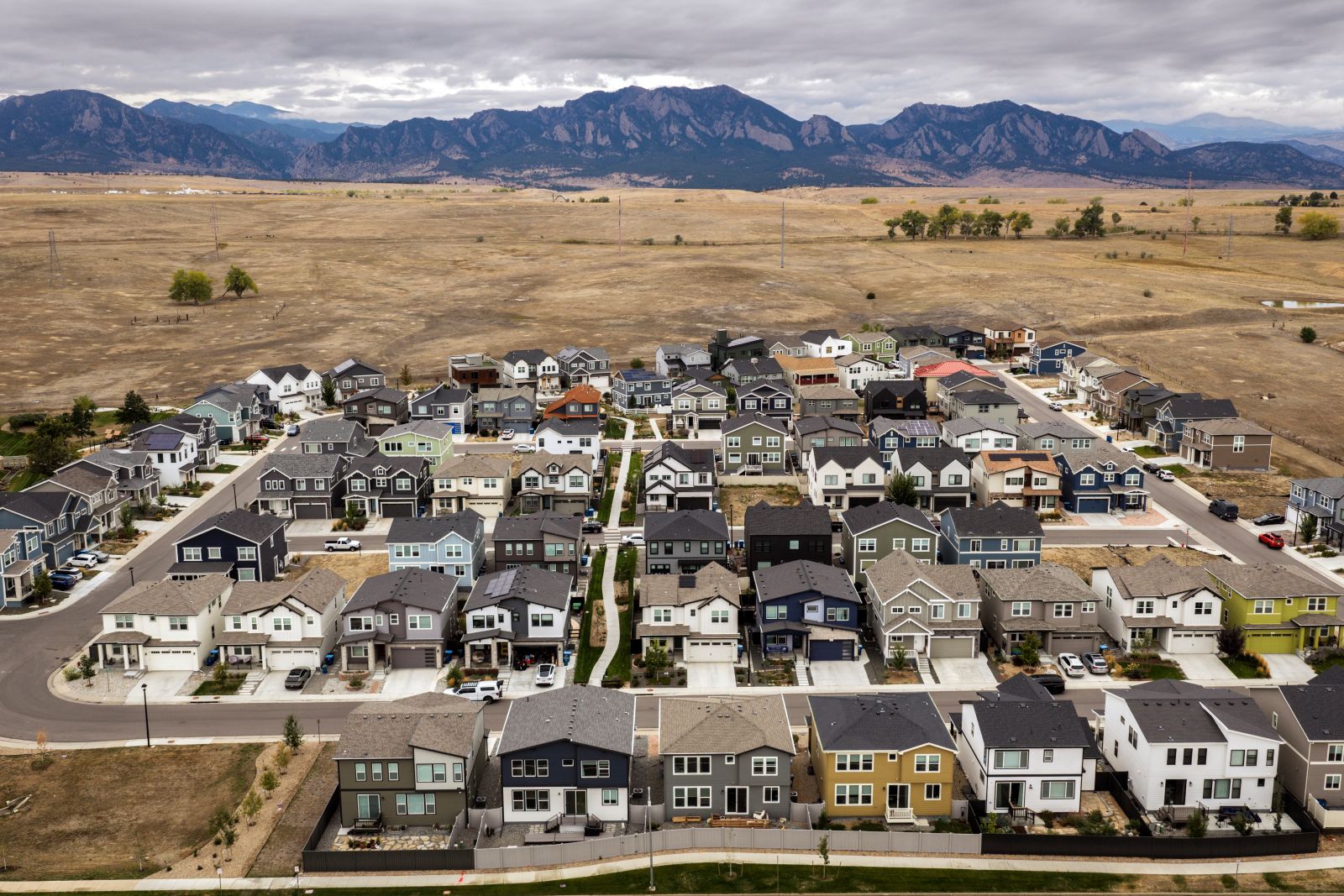
Here’s what supercharged the monster wildfires in Spain and France
Grist • 7/31/2026
Summary
Last summer marked Europe's most destructive wildfire season on record, and the current season is on track to surpass it. The wildfires in Spain and France have been exacerbated by extreme heat and drought conditions, which have been scientifically linked to the climate crisis. A study conducted by the World Weather Attribution (WWA) consortium revealed that global heating has significantly increased the likelihood of hot, dry, and windy weather in these regions. Specifically, the analysis found that such conditions are at least 20 times more likely to occur in Spain and twice as likely in France due to climate change. The findings highlight the impact of climate change on weather patterns, particularly in relation to wildfires. The extreme conditions that have fueled the wildfires are attributed to the burning of fossil fuels, including oil, gas, and coal. This has led to a direct correlation between global heating and the increased frequency and intensity of wildfires across Europe. The situation underscores the urgent need for addressing climate change to mitigate its effects on weather and natural disasters. As Europe faces another challenging wildfire season, the implications of these findings are significant. The scientific analysis serves as a stark reminder of the ongoing climate crisis and its role in shaping extreme weather events. The data suggests that without substantial efforts to combat climate change, the risks associated with wildfires will continue to rise, posing threats to ecosystems, communities, and public safety in the region.
Advertisement
Lindy Score Breakdown (V4.2)
Score BreakdownRisk 50
Stories gain Lindy status through source reputation, network consensus, and time survival.
Breaking Similar stories