STAT+: A rare disease drug was approvable, then it wasn’t. Inside a surprise rejection by the FDA
Stat News • 2/23/2026 – 2/25/2026
Summary
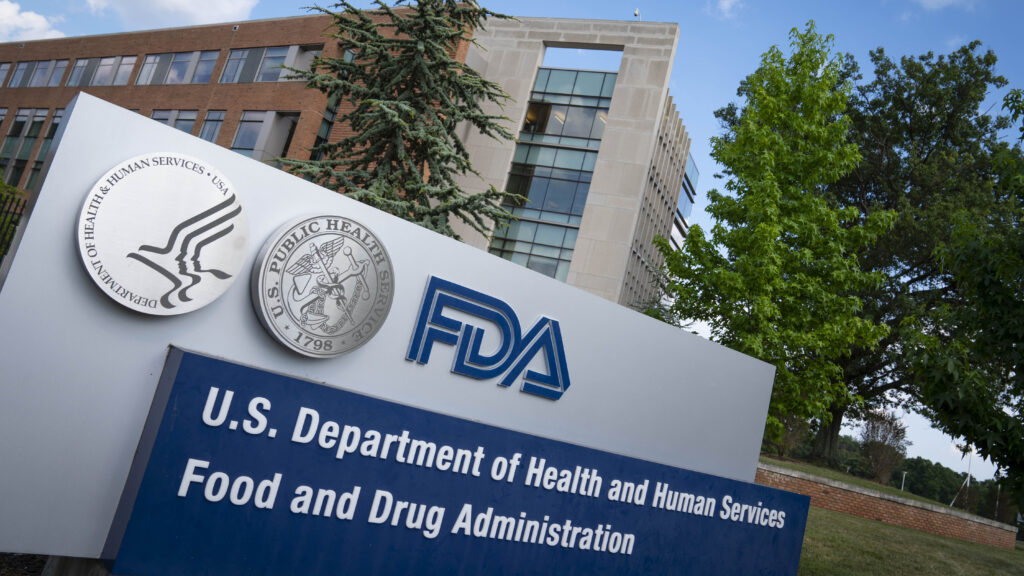
The FDA recently rejected an experimental therapy intended to treat a rare blood cancer, despite internal reviewers recommending it for approval. This unexpected decision has caused confusion and frustration among drugmakers and advocates for rare diseases, who believed they had received the agency's support for the therapy's clearance. The rejection highlights the complexities and uncertainties surrounding the FDA's approval process for treatments targeting rare conditions. Families affected by rare diseases have expressed their discontent over the FDA's inconsistent signals regarding drug approvals. Many feel a sense of whiplash due to the shifting and contradictory decisions made by the agency, which can significantly impact their hopes for effective treatments. The rejection of the therapy has intensified concerns among advocates who are already navigating the challenges of securing access to necessary medications for rare diseases. The situation surrounding the FDA's decision is part of a broader narrative involving various pharmaceutical developments, including a weight loss pill from Lilly. However, the focus remains on the puzzling rejection of the rare disease therapy, which has raised questions about the FDA's evaluation criteria and communication with stakeholders in the pharmaceutical industry. The implications of this decision extend beyond the immediate therapy, affecting the overall landscape for drug approvals in the context of rare diseases.
Advertisement
Cluster Activity
Lindy Score Breakdown (V4.2)
Story Timeline
- 2026-02-23
- 2026-02-24
- 2026-02-25STAT+: A rare disease drug was approvable, then it wasn’t. Inside a surprise rejection by the FDA (current)
- 2026-02-26
- 2026-03-02
- 2026-03-03
- 2026-03-04
- 2026-03-09
Score BreakdownRisk 35
Stories gain Lindy status through source reputation, network consensus, and time survival.
Same Story from 11 sources




Breaking Similar stories