How US economic warfare pushed Cuba to humanitarian collapse
Al Jazeera • 2/10/2026 – 2/26/2026

Summary
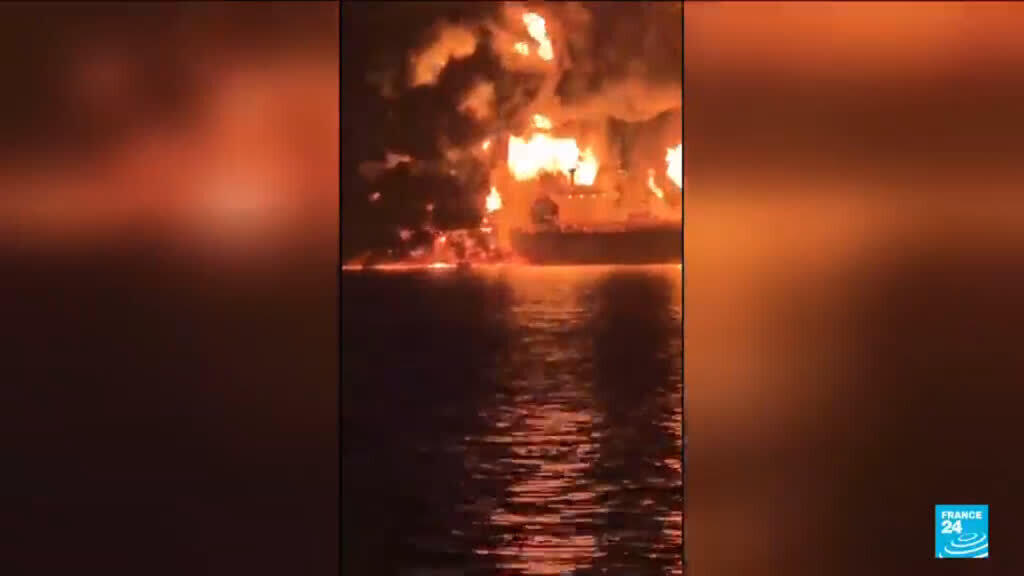
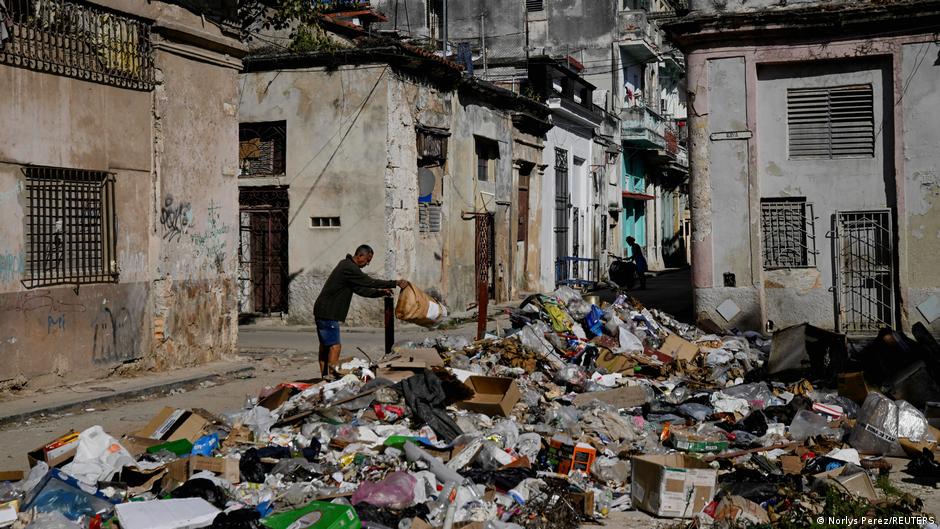
The United States has eased its fuel embargo on Cuba, which has been a significant factor in the country's humanitarian collapse, as reported by the UN. The sanctions and blockade of oil supplies, particularly following pressure on Venezuela, have severely impacted Cuba's energy and tourism sectors. The lack of fuel has led to hotel closures, empty attractions, and disruptions to transport and flights, depriving many Cubans of essential income and raising concerns about broader economic and humanitarian consequences (France24). As the fuel crisis deepens, daily life for residents in Cuba has become increasingly challenging. Shrinking fuel supplies have affected the transportation network, power supply, and garbage disposal systems. The government has begun rationing fuel, and aviation authorities have warned of limited jet fuel supplies, which has resulted in disruptions to long-haul flights, although Havana’s airport remains operational (Euronews). Public transport has stalled, and banks have reduced their operating hours due to the ongoing crisis (France24). In response to the fuel shortages, Russia has announced plans to fly its tourists out of Cuba and subsequently suspend its airline operations due to the fuel crisis (Reuters). Additionally, a fire at an oil refinery in Cuba was reported, although officials stated that it was contained quickly amid dwindling electricity and fuel supplies (BBC). The situation continues to evolve, with Mexico pledging diplomatic efforts to help resume oil shipments to Cuba (Euronews).
Advertisement
Cluster Activity
Lindy Score Breakdown (V4.2)
Story Timeline
- 2026-02-10
- 2026-02-11
- 2026-02-12
- 2026-02-13
- 2026-02-14
- 2026-02-15
- 2026-02-16
- 2026-02-17
AnalysisRisk 10
Same Story from 11 sources






Breaking Similar stories





Anti-Lindy Similar stories