The Asteroid That May Be Three Worlds
Universe Today • 8/1/2026
Summary
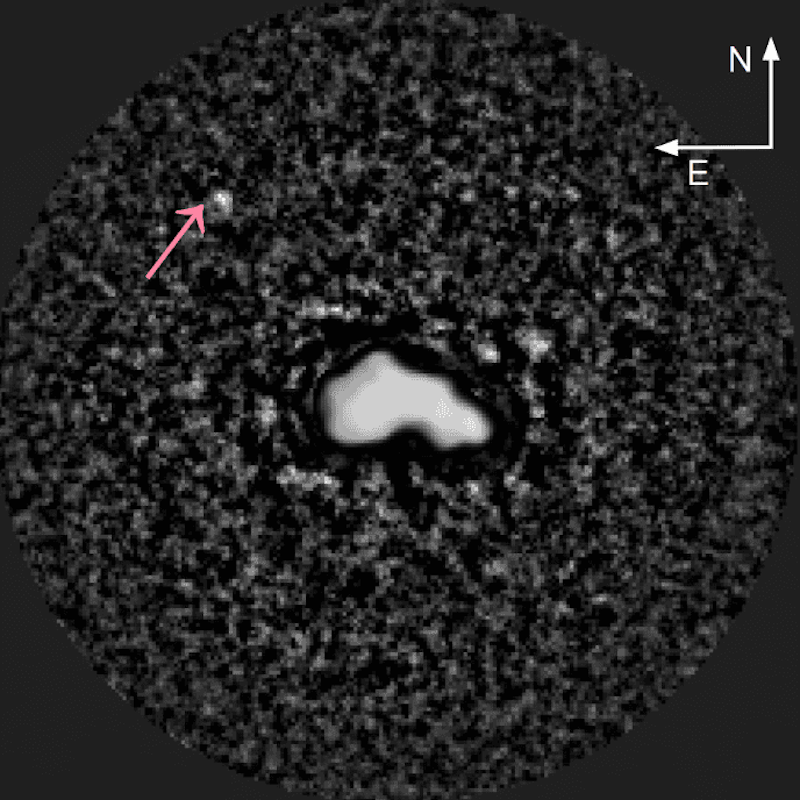
Asteroid (44) Nysa has been identified as the first three-headed asteroid in our solar system, featuring three distinct lobes. This significant discovery was made possible through advanced high-contrast imaging techniques utilized by astronomers using two of the largest telescopes on Earth. The imaging revealed that Nysa has two deep valleys encircling its circumference, which researchers believe function as necks connecting the three lobes into a single body measuring approximately 75 kilometers in diameter. This finding marks a milestone in our understanding of asteroids, as it represents the first documented instance of a three-lobed world. In addition to its unique shape, the observations of 44 Nysa also uncovered the presence of a small moon orbiting the asteroid. This moon is estimated to be about one kilometer across. The discovery of the moon adds an intriguing element to the study of Nysa and may provide further insights into the asteroid's formation and characteristics. The team behind the observations suggests that the moon could play a role in resolving ongoing debates regarding the asteroid's structure and dynamics. The findings regarding 44 Nysa contribute to a broader understanding of the diversity of celestial bodies within our solar system. The detailed imaging and analysis of this asteroid not only enhance our knowledge of its physical properties but also open new avenues for research into the formation and evolution of asteroids. As astronomers continue to study Nysa and its moon, they may uncover additional information that could reshape our understanding of similar objects in space.
Advertisement
Lindy Score Breakdown (V4.2)
Score BreakdownRisk 50
Stories gain Lindy status through source reputation, network consensus, and time survival.
Breaking Similar stories