Trump’s ‘Board of Peace’ Would Have Global Scope but One Man in Charge - The New York Times
Google News • 1/22/2026

Summary
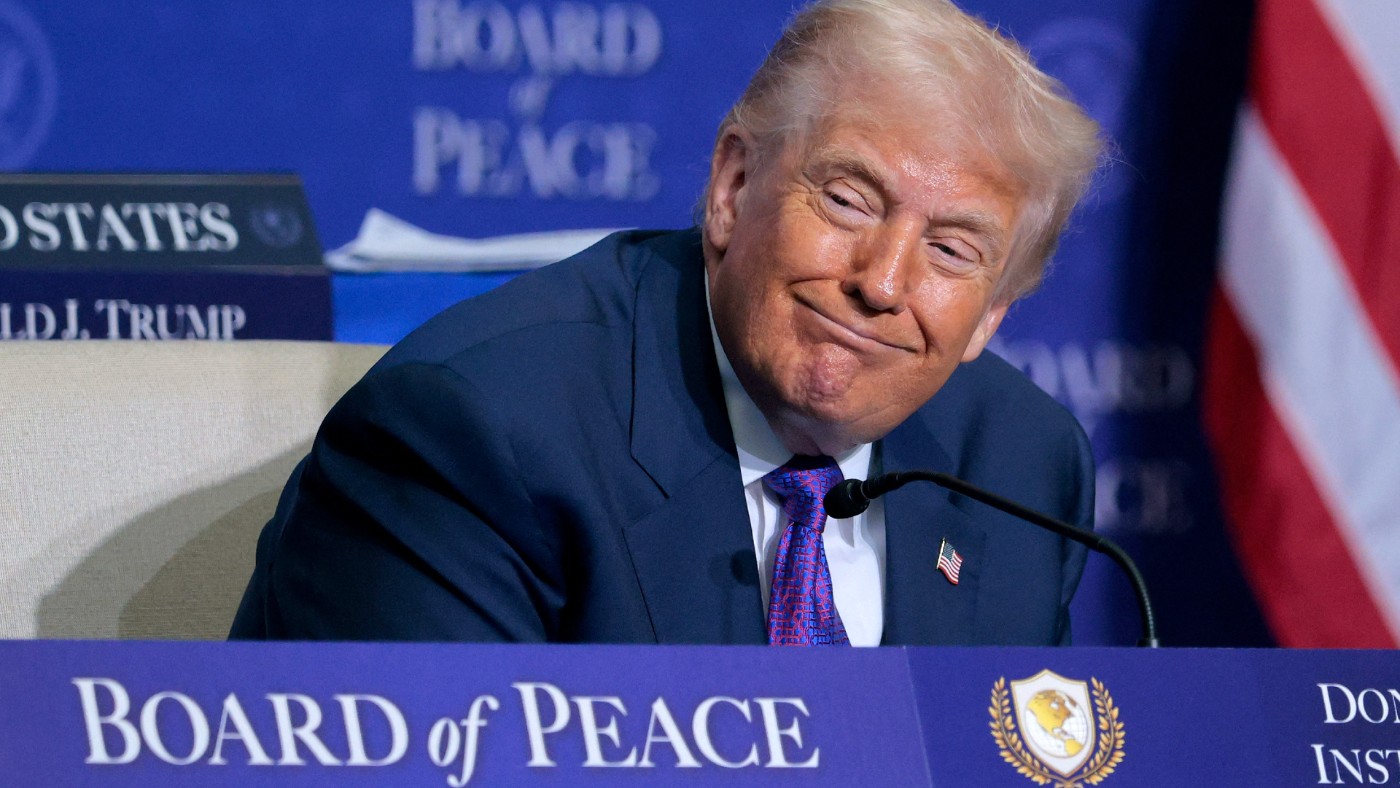
Former President Donald Trump recently announced the establishment of a "Board of Peace" during the World Economic Forum in Davos. This initiative aims to address global conflicts, particularly focusing on the situation in Gaza, and is characterized by a centralized leadership model with Trump at the helm. Notably, several key U.S. allies have opted not to participate, raising questions about its international legitimacy. The concept of a centralized peace initiative led by a single figure echoes historical attempts at conflict resolution, often seen in the context of global diplomacy. Trump's Board of Peace reflects a broader trend of leaders seeking to exert personal influence over international affairs, reminiscent of past figures who have attempted to broker peace through unilateral approaches. This initiative also highlights the complexities of international alliances, particularly in light of geopolitical tensions, such as concerns regarding Russia's involvement in global conflicts. The absence of participation from significant allies underscores the challenges of garnering widespread support for initiatives perceived as lacking inclusivity or legitimacy. As global conflicts persist, the dynamics surrounding Trump's Board of Peace may serve as a case study in the effectiveness of personalized diplomacy versus collaborative international efforts.
Advertisement
Lindy Score Breakdown (V4.2)
Score BreakdownRisk 50
Stories gain Lindy status through source reputation, network consensus, and time survival.
Breaking Similar stories



Anti-Lindy Similar stories