Iguanas fall from trees in Florida as icy weather bites southern US
Phys.org • 2/1/2026 – 2/2/2026
Summary
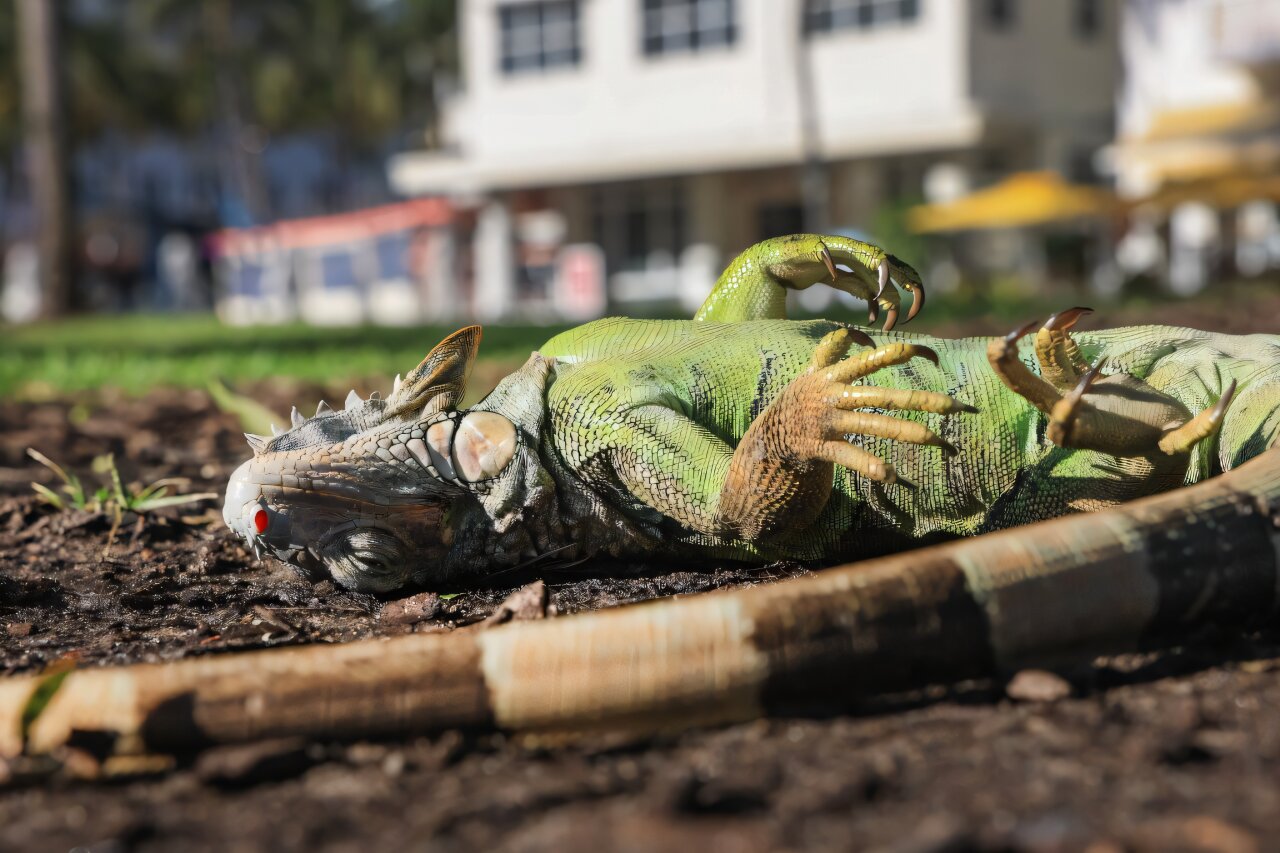
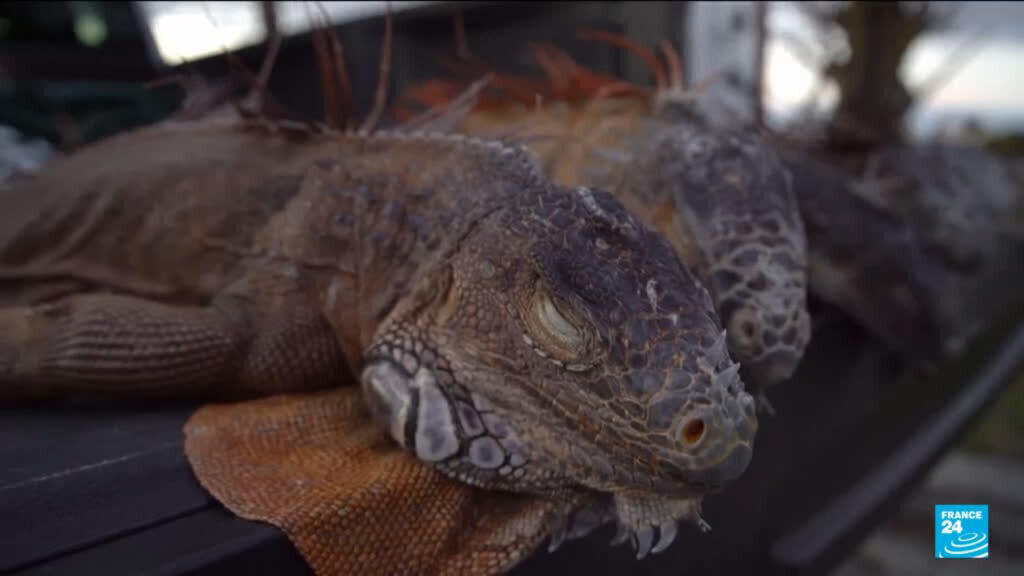
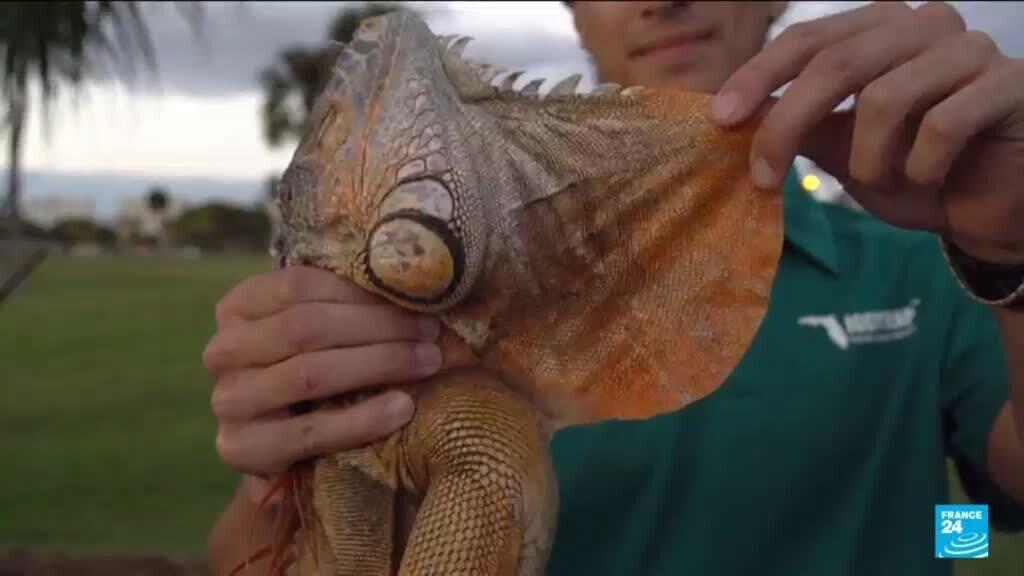
Iguanas have been falling from trees in Florida due to unusually cold temperatures affecting the region. This phenomenon occurred as icy conditions swept through southern U.S. states, resulting in significant snowfall, with nearly half a meter reported in some areas, and high winds that caused traffic disruptions. The cold weather has stunned the iguanas, which are typically found in warmer climates, leading to their inability to cope with the sudden drop in temperature (France24; The Atlantic). Wildlife experts have noted that the iguanas appear to be in a frozen state but are still alive, merely in a state of hibernation. The falling iguanas are primarily green iguanas, an invasive species in Florida. In response to this unusual situation, trappers have been mobilizing to collect the cold-stunned reptiles, with thousands being gathered in recent days (The Atlantic; France24). This event highlights the impact of climate fluctuations on wildlife, particularly in ecosystems where species are not adapted to extreme weather conditions. The incident serves as a reminder of the vulnerabilities faced by non-native species when sudden environmental changes occur. It also raises broader concerns about climate change and its unpredictable effects on both native and invasive species, prompting discussions about biodiversity and ecosystem management (The Atlantic). As temperatures fluctuate, the survival of various species may be increasingly challenged. This occurrence underscores the interconnectedness of climate patterns and wildlife behavior, making it a significant topic for ongoing environmental discourse (The Atlantic).
Advertisement
Cluster Activity
Lindy Score Breakdown (V4.2)
Story Timeline
- 2026-02-01
- 2026-02-02Iguanas fall from trees in Florida as icy weather bites southern US (current)
- 2026-02-03
- 2026-02-04
- 2026-02-05
Score BreakdownRisk 25
Stories gain Lindy status through source reputation, network consensus, and time survival.
Same Story from 5 sources


Breaking Similar stories



Anti-Lindy Similar stories