Normandy's D-Day World War Two beaches become UNESCO heritage site
Reuters • 7/26/2026

Summary
No summary yet.
Advertisement
Lindy Score Breakdown (V4.2)
7h
Age
1
Sources
from cluster
2
Hours Since Seen
Final Score12/100
CategoryBreaking
StatusActive
Recency Multiplier97% (0.5^2/48)
Hero EligibleYes
Score BreakdownRisk 55
Source Reputation: Moderate trust (10/20 pts)
Consensus: Single source - no independent confirmation yet
Age: Breaking news - too recent to assess longevity
Stories gain Lindy status through source reputation, network consensus, and time survival.
Related Stories
Breaking Similar stories
UNESCO adds France's D-Day landing beaches, Greece's Mount Olympus to World Heritage List
AP News • Today

UNESCO adds West Bank site, Lebanese castles to World Heritage List despite Israeli opposition
France24 • 1 day ago
UNESCO adds Japan's Asuka-Fujiwara sites to World Heritage list
Nikkei Asia • Today

Sarnath earns UNESCO World Heritage tag, takes India’s tally to 45
The Hindu • Today

Thailand monastery added to Unesco heritage list, boosting tourism hopes
South China Morning Post • Today

Has AI become too powerful to control?
Japan Times • 1 day ago

Controversial Argentina World Cup banner gets new life in print
Al Jazeera • Today

The men’s World Cup is over, now Mexico’s women are ready for their moment
Mexico News Daily • Today
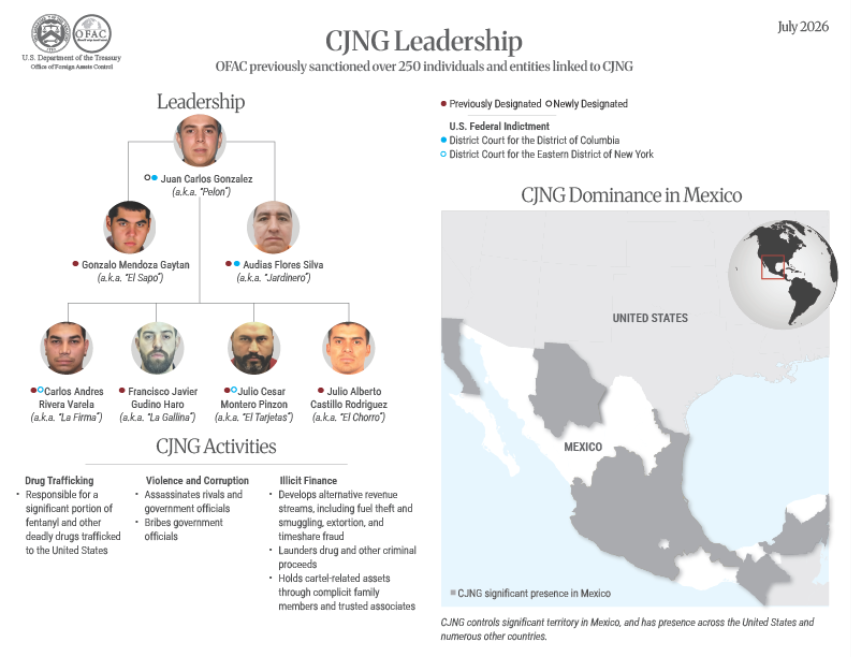
Mexico’s week in review: World Cup glow fades as tariffs and security challenges take center stage
Mexico News Daily • 1 day ago

World Cup hero Rodri to undergo back surgery before Man City’s new season
Al Jazeera • 2 days ago
Anti-Lindy Similar stories

Buenos Aires locals support Argentine footballers over World Cup Falkland banner
France24 • 1 week ago

Argentina’s Falklands banner sparks controversy at World Cup
Al Jazeera • 1 week ago

‘Malvinas are Argentinian’: World Cup holders celebrate win over England with Falklands banner
The Guardian • 1 week ago

Iran War Live Updates: Attacks in Red Sea Send Oil Prices Over $100 a Barrel
The New York Times • 3 days ago
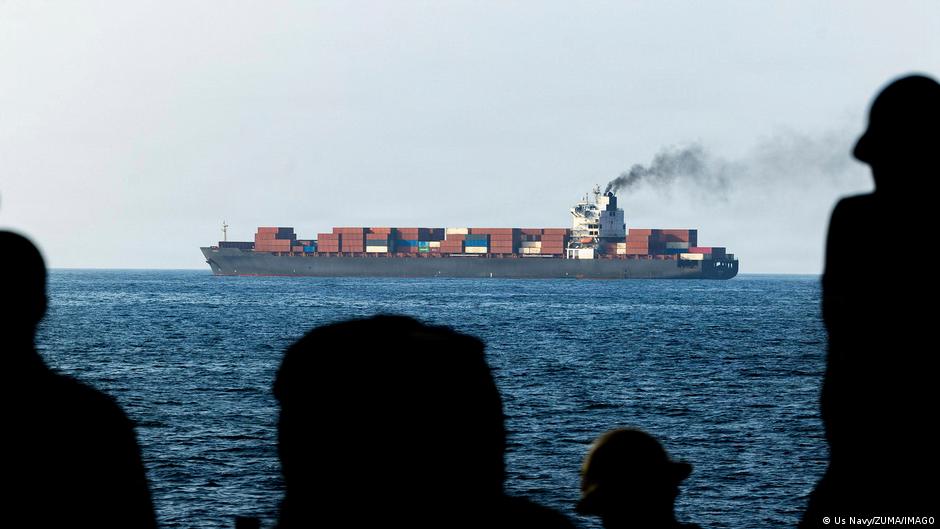
Iran war: Tehran warns of wider disruption amid US strikes
Deutsche Welle • 1 week ago

West Asia war LIVE: Iran threatens to destroy ‘all infrastructure in region’ as U.S. strikes intensify
The Hindu • 1 week ago
US hits Iran as Houthis claim strikes on Saudi tankers - DW.com
Deutsche Welle • 3 days ago

Modi adresses India's youth's 'Cockroach' movement as protesters hold capital sit-in
Euronews • 3 days ago

West Asia war LIVE: Iran targets U.S. military bases in Kuwait
The Hindu • 1 week ago

Trump demands ICE restart traffic stops after Maine killing
Japan Times • 1 week ago