Donald Trump Is Crashing Out Over Trevor Noah’s Jeffrey Epstein Joke
Rolling Stone • 2/2/2026

Summary
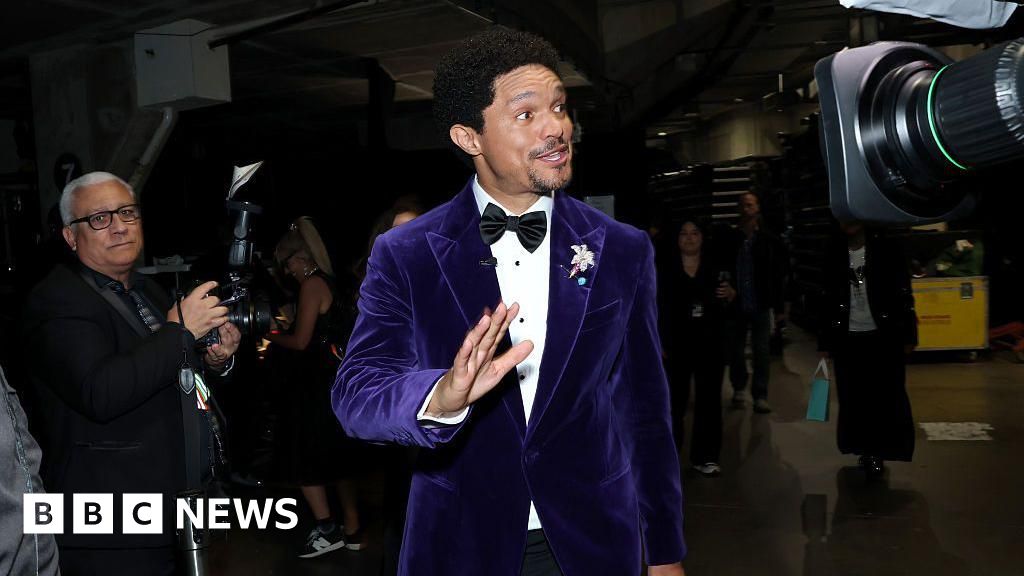
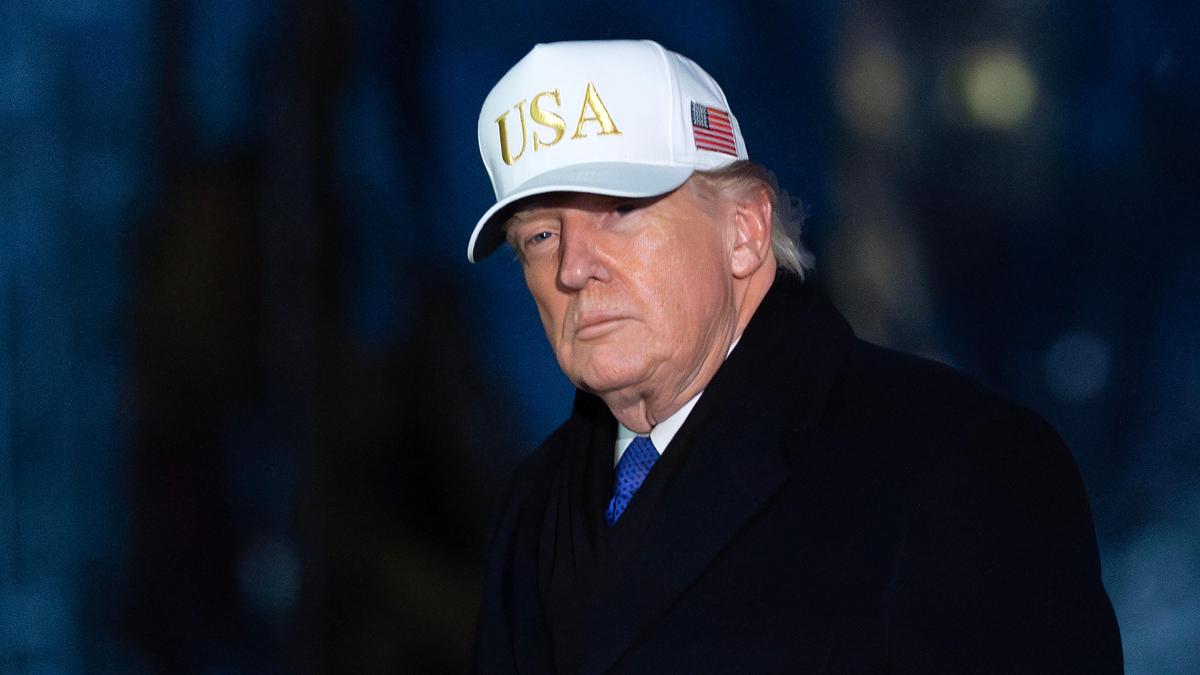
During the 2026 Grammy Awards, host Trevor Noah made a joke referencing former President Donald Trump's association with Jeffrey Epstein. This joke elicited a strong reaction from Trump, who took to Truth Social after the ceremony to express his displeasure. He described the awards show as “virtually unwatchable” and labeled Noah a “total loser.” Trump characterized the joke as “false and defamatory,” indicating that he found it inappropriate and misleading (Deadline, Hollywood Reporter, Variety). In his social media post, Trump announced plans to pursue legal action against Noah, stating, “It looks like I’ll be sending my lawyers to sue this pathetic dope.” This threat of a lawsuit highlights the ongoing tensions between public figures and comedians, particularly regarding the boundaries of humor in political discourse (Deadline, Hollywood Reporter, Variety). Trump's reaction reflects a broader trend where public figures increasingly resort to legal threats in response to satire or criticism, raising questions about free speech and the role of comedy in society (Entertainment Weekly, Fox News). The incident underscores the contentious relationship between public figures and the media, especially concerning sensitive topics. Comedians often face backlash for their material, and this situation exemplifies the challenges they encounter when navigating political commentary (Entertainment Weekly, Variety). The implications for both comedy and political accountability remain significant as this dynamic continues to evolve (Deadline, Hollywood Reporter).
Advertisement
Lindy Score Breakdown (V4.2)
Story Timeline
- 2026-02-02Donald Trump Is Crashing Out Over Trevor Noah’s Jeffrey Epstein Joke (current)
Score BreakdownRisk 25
Stories gain Lindy status through source reputation, network consensus, and time survival.
Same Story from 9 sources



Breaking Similar stories


Anti-Lindy Similar stories


