Trump calls U.S. and Iran talks in Oman 'very good' and says there will be another meeting
NBC News • 2/6/2026 – 2/7/2026
Summary
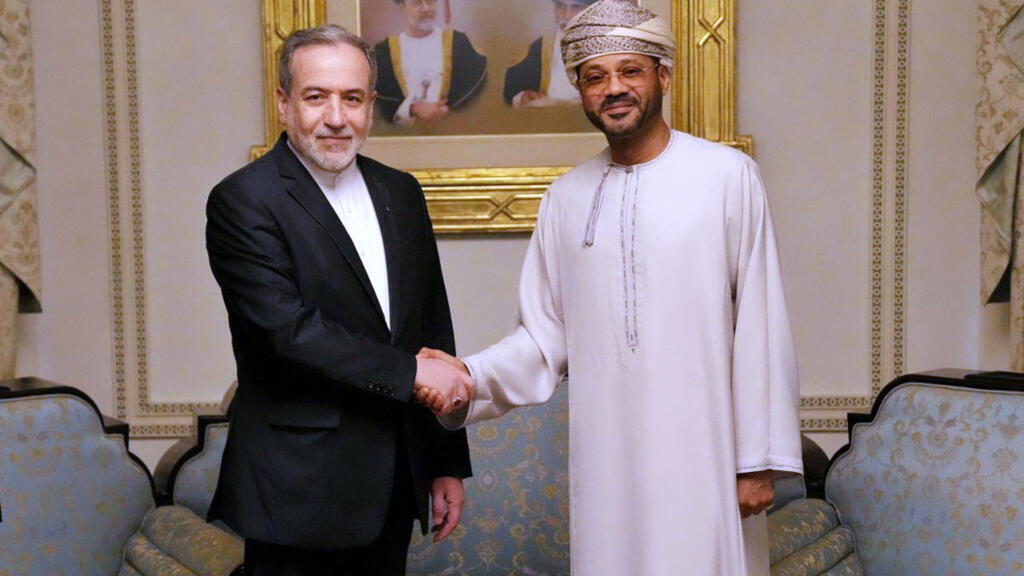
Former President Donald Trump described the recent U.S.-Iran talks in Oman as "very good" and indicated that there will be another meeting scheduled for next week. These discussions marked a continuation of indirect negotiations regarding Iran's nuclear program, which took place amid significant geopolitical tensions and fears of conflict. The talks were characterized by Iranian Foreign Minister Abbas Araghchi as occurring in a "positive atmosphere," despite the backdrop of a U.S. military buildup in the region (NBC News, Euronews). During the negotiations, Iranian and U.S. officials met separately with Omani mediators. However, a diplomat reported that Iran refused to discuss the cessation of its uranium enrichment activities, which remains a critical sticking point in the discussions. Additionally, missile capabilities were not addressed during this round of talks. This was the first time the U.S. included its top Middle East military commander in the discussions, indicating a shift in diplomatic strategy (Al Jazeera, France24). Trump warned of "steep" consequences if Iran does not comply with U.S. demands, raising concerns among analysts that his "maximalist demands" could jeopardize the negotiations. The context of these talks includes ongoing military posturing and protests within Iran, which may influence the dynamics of the discussions (Haaretz, Financial Times). Overall, while both parties have shown a willingness to engage in dialogue, significant challenges remain, particularly regarding Iran's nuclear enrichment and the broader geopolitical context surrounding the negotiations (Reuters, France24).
Advertisement
Cluster Activity
Lindy Score Breakdown (V4.2)
Story Timeline
- 2026-02-06
- 2026-02-07Trump calls U.S. and Iran talks in Oman 'very good' and says there will be another meeting (current)
AnalysisRisk 10
Same Story from 11 sources


Breaking Similar stories
Anti-Lindy Similar stories