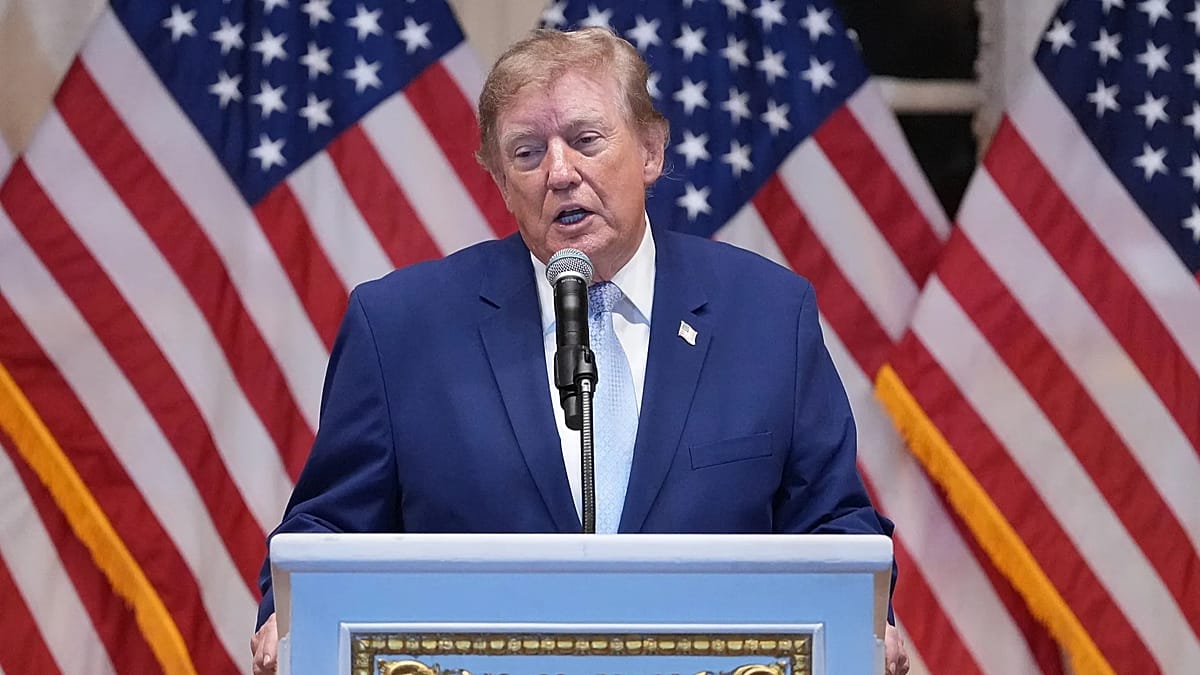
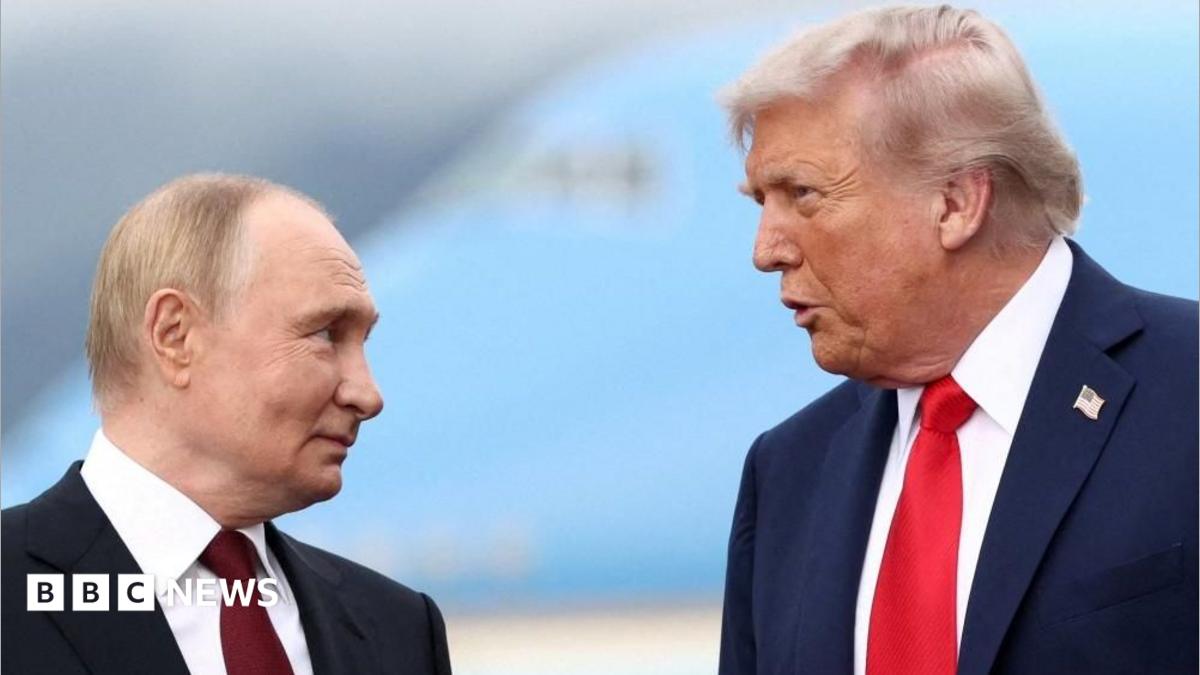
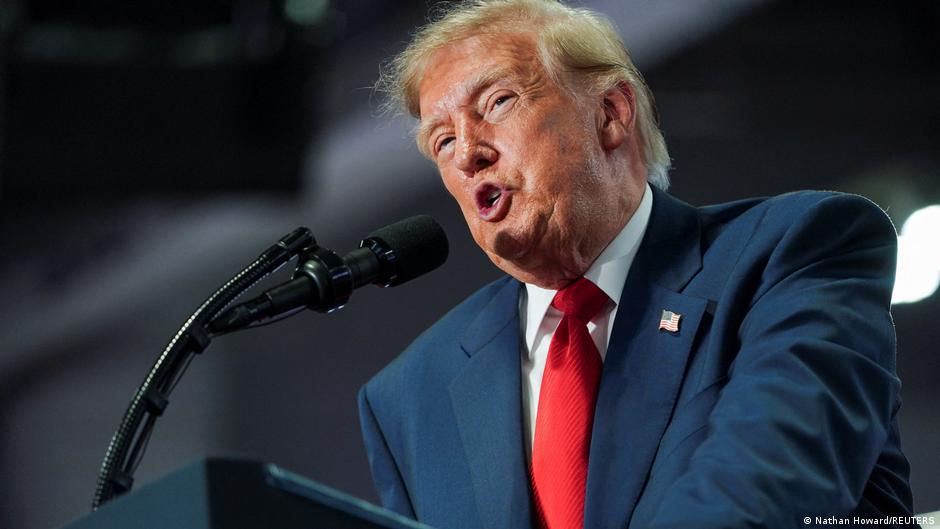
Trump warns of ‘economic D-Day’ against Iran, but Tehran is well acquainted with sanctions
AP News • 8/21/2026

Summary
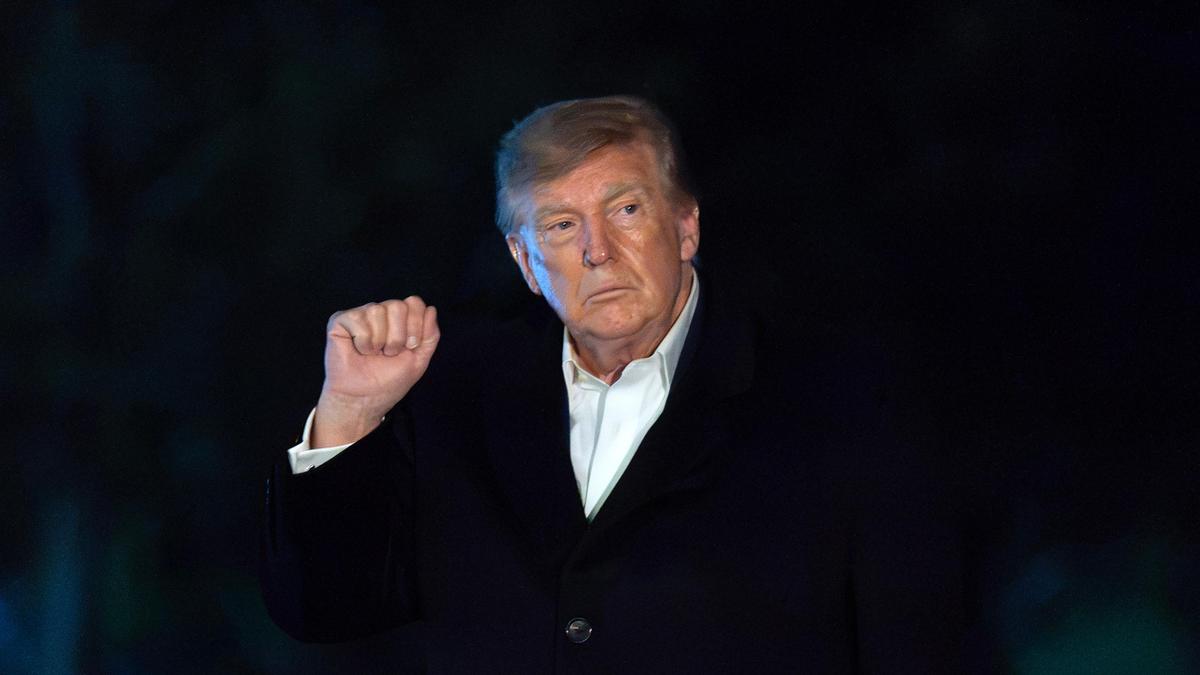
US President Donald Trump has issued a warning of "economic D-Day" against Iran, emphasizing that any country providing support or "any type of lifeline" to Iran will face significant economic consequences. This statement was made on Wednesday as part of what Trump described as an "economic warfare" strategy. He did not specify the exact measures that the United States would take against these nations or name any specific countries involved. Trump's rhetoric indicates a serious escalation in the ongoing tensions between the US and Iran, particularly following the expiration of a 60-day ceasefire, which has left the prospects for diplomatic or military resolutions uncertain (AP News, South China Morning Post, France24). In response to Trump's threats, Iranian officials, including Mohammad Bagher Ghalibaf, have stated that Iran must prepare to navigate the anticipated US sanctions. Ghalibaf's comments highlight the potential for increased economic strain on Iran as it manages its international relationships amid these threats. The situation underscores the complex dynamics at play in the region, where geopolitical developments continue to influence the ongoing conflict between the US and Iran (The New York Times, Deutsche Welle). Trump's warning reflects a strong stance against international support for Iran, framing it as a potential trigger for economic repercussions. The implications of his statements suggest that the US is prepared to take significant actions against any nations that engage with Iran economically. This approach aligns with the broader context of escalating tensions and the use of both military and economic strategies in the conflict (France24, Al Jazeera). Overall, Trump's remarks signal a critical juncture in US-Iran relations, with the potential for further economic strain on Iran as it navigates the challenges posed by US sanctions and international support dynamics (South China Morning Post, Deutsche Welle).
Advertisement
Lindy Score Breakdown (V4.2)
Score BreakdownRisk 35
Stories gain Lindy status through source reputation, network consensus, and time survival.
Breaking Similar stories
Anti-Lindy Similar stories