Slovakia national security adviser resigns over Epstein files, denies wrongdoing
Reuters • 2/1/2026
Summary
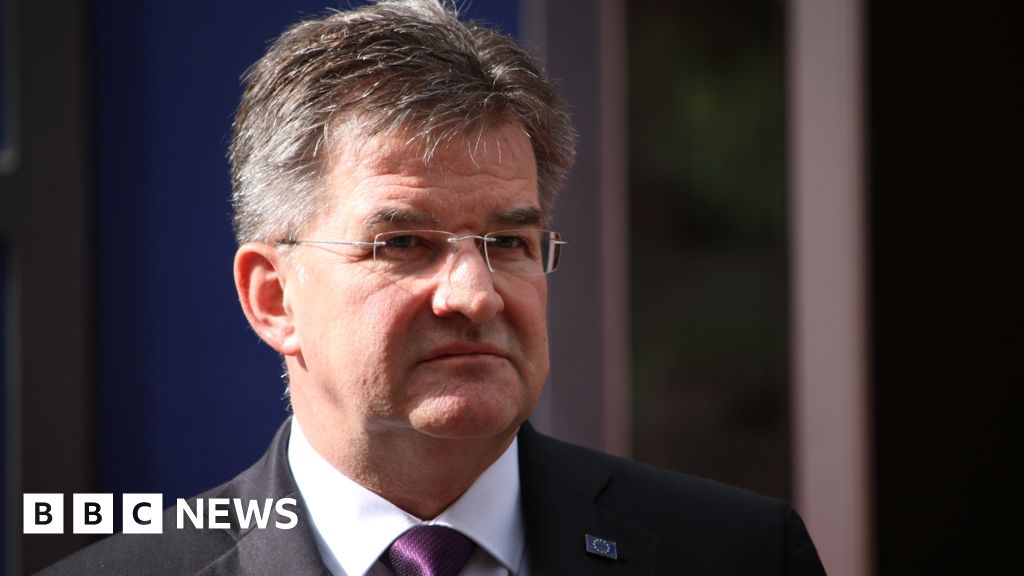
Miroslav Lajčák, Slovakia's national security adviser and former foreign minister, has resigned following the revelation of messages he exchanged with Jeffrey Epstein in 2018. These communications involved discussions about women and diplomacy, which have attracted significant public scrutiny. Lajčák expressed regret over these exchanges, stating that he feels embarrassed by his past communications with the convicted sex offender. He has denied any wrongdoing related to the messages. The incident has highlighted the sensitivity surrounding associations with Epstein, whose notoriety has made connections to him particularly controversial. Lajčák's resignation reflects a broader societal concern regarding accountability and ethical conduct among public figures. The scrutiny of his past actions underscores the potential repercussions political figures may face for their associations, especially in light of increasing public awareness of such matters. This situation serves as a reminder of the importance of transparency in governance and the need for leaders to be mindful of their personal and professional relationships. As public figures continue to face challenges regarding their past interactions, this case may serve as a cautionary tale for current and future officials about the implications of their associations. The ongoing scrutiny of public figures and their connections to individuals like Epstein emphasizes the need for ethical conduct in leadership roles.
Advertisement
Cluster Activity
Lindy Score Breakdown (V4.2)
Story Timeline
- 2026-02-01Slovakia national security adviser resigns over Epstein files, denies wrongdoing (current)
- 2026-02-03
AnalysisRisk 20
Same Story from 3 sources
Breaking Similar stories







Anti-Lindy Similar stories