Archaeologists at Pompeii use AI to reconstruct the face of a man killed in the volcano's eruption - Phys.org
Phys.org • 4/27/2026 – 4/28/2026
Summary
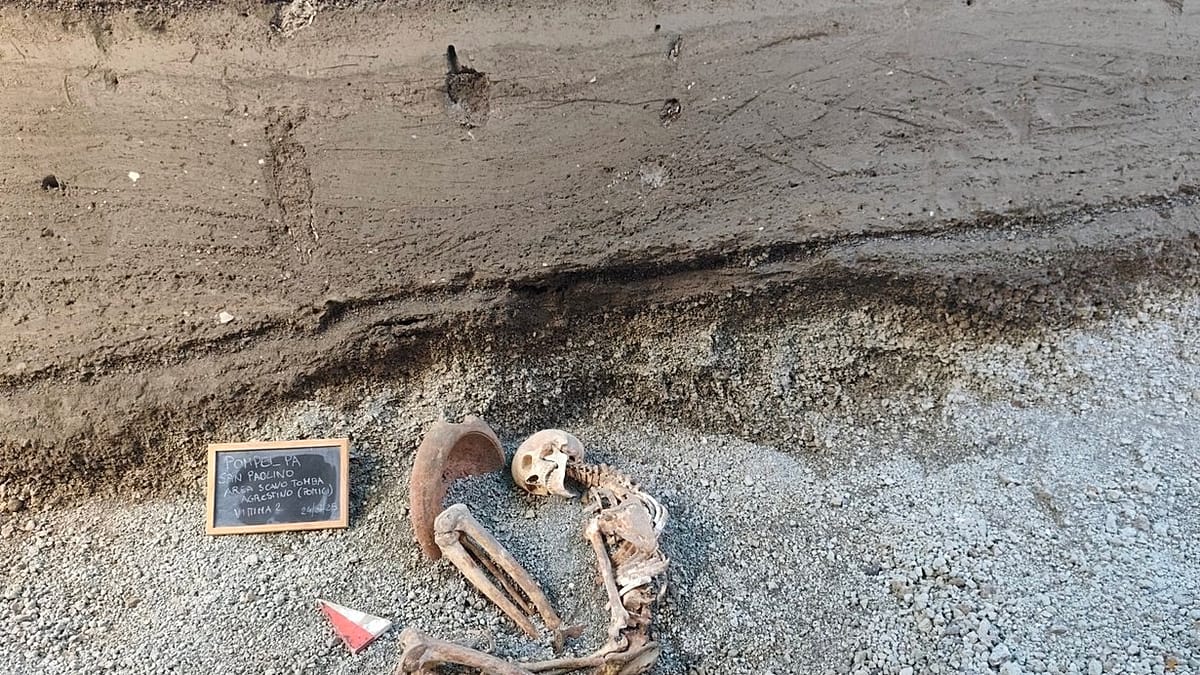
Archaeologists at the ancient Roman site of Pompeii have utilized artificial intelligence for the first time to digitally reconstruct the face of a victim from the eruption of Mount Vesuvius in AD 79. This innovative approach offers a new perspective on one of history's most significant natural disasters. The digital portrait created represents an older man who was among two victims discovered while attempting to flee the city towards the coast of what is now Italy during the volcanic eruption (South China Morning Post). The reconstruction process involved advanced AI techniques that allowed researchers to visualize the facial features of the victim based on the skeletal remains found at the site. This method not only aids in understanding the physical appearance of those who perished but also provides insights into their last moments during the catastrophic event. The use of AI in archaeology marks a significant advancement in the field, enabling a more detailed exploration of historical events and the individuals affected by them (Phys.org, CBS News). The two men, whose stories are being highlighted through this reconstruction, were found in positions suggesting they were trying to escape the eruption. Their remains, along with everyday objects, have helped archaeologists piece together the circumstances surrounding their deaths. This project exemplifies how technology can enhance our understanding of the past and bring to life the narratives of those who lived through such tragedies (NPR, Euronews).
Advertisement
Cluster Activity
Lindy Score Breakdown (V4.2)
Story Timeline
- 2026-04-27Archaeologists at Pompeii use AI to reconstruct the face of a man killed in the volcano's eruption - Phys.org (current)
- 2026-04-28
Score BreakdownRisk 45
Stories gain Lindy status through source reputation, network consensus, and time survival.
Same Story from 5 sources


Breaking Similar stories
Anti-Lindy Similar stories