Cameroon: 'An Invisible Avalanche' - What Happened in Cameroon's 1986 Lake Nyos Disaster?
AllAfrica • 8/22/2026
Summary
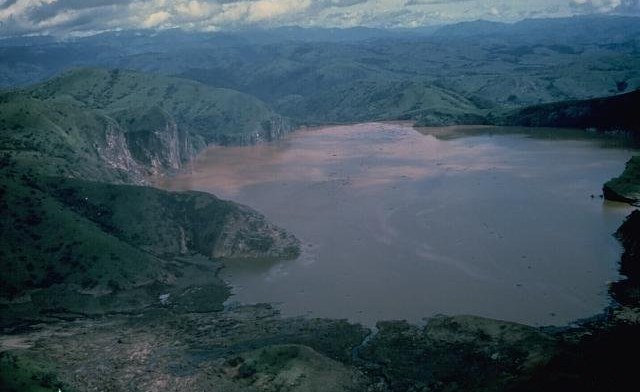
On August 21, 1986, a catastrophic event occurred at Lake Nyos in Cameroon, resulting in the deaths of 1,746 people due to carbon dioxide poisoning. This incident is recognized as the world's deadliest "limnic eruption." The gas escaped overnight from the bottom of the lake, creating a silent cloud that swept through nearby villages while residents were asleep. The sudden release of carbon dioxide led to a rapid and lethal suffocation of the affected population. The aftermath of the Lake Nyos disaster has left a lasting impact on the survivors, who continue to grapple with the trauma of that night. Four decades later, the understanding of the dangers posed by volcanic lakes, such as Lake Nyos, remains a developing field of study. The incident has prompted ongoing research into the mechanisms of limnic eruptions and the potential risks associated with similar geological features worldwide. The Lake Nyos disaster serves as a stark reminder of the hidden dangers that can arise from natural bodies of water, particularly those situated in volcanic regions. The event has not only shaped local history but has also contributed to the broader discourse on environmental hazards and disaster preparedness in areas prone to such geological phenomena.
Advertisement
Lindy Score Breakdown (V4.2)
Score BreakdownRisk 50
Stories gain Lindy status through source reputation, network consensus, and time survival.
Breaking Similar stories





Anti-Lindy Similar stories