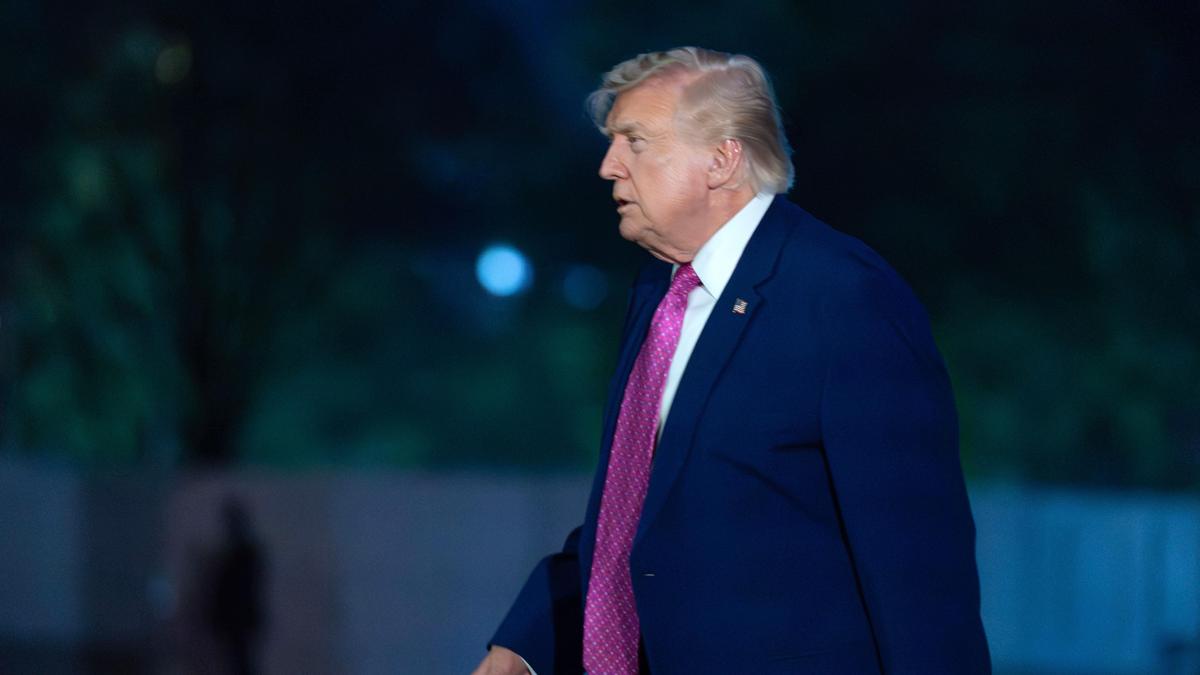
Two peace deals Trump took credit for appear to unravel at the same time
The Washington Post • 12/10/2025 – 12/14/2025

Summary
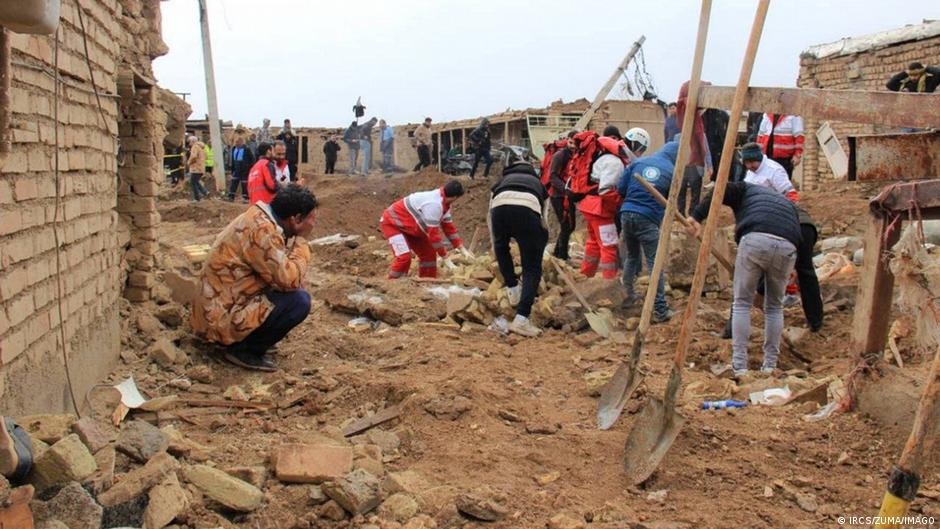
Two peace deals that former President Donald Trump took credit for are reportedly unraveling amid renewed violence in specific regions. Fighting has surged in the Democratic Republic of Congo and along the Cambodia-Thailand border, raising questions about the effectiveness of Trump's foreign policy approach. Critics argue that there is a significant difference between negotiating a deal and achieving lasting peace, suggesting that Trump's methods may not have led to the stability he claimed (The Washington Post, The Wall Street Journal, AP News, The Guardian). The situation in Congo and at the Cambodia-Thailand border highlights the challenges faced by the Trump administration in its attempts to resolve conflicts. The resurgence of fighting in these areas indicates that the agreements Trump touted may not have been as effective as initially believed. This development has drawn attention to the limitations of Trump's approach to ending wars and fostering peace, as critics emphasize the need for more than just agreements to ensure long-term stability (The Wall Street Journal, AP News, The Guardian). In a broader context, the Trump administration has also been involved in escalating tensions with Venezuela, recently seizing an oil tanker off its coast. This action has been described by the Venezuelan government as an act of international piracy, and it is part of a series of attacks on boats that have resulted in numerous fatalities. The aggressive stance toward Venezuela has led to increased scrutiny regarding the implications for U.S. foreign policy (The Atlantic, The Guardian). Additionally, in a separate political development, Indiana Republicans recently rejected a proposal to redraw the state's congressional maps, which aimed to create two additional Republican-friendly seats. The measure failed with a vote of 19-31, as 21 Republicans joined 10 Democrats in opposing the redistricting effort. This rejection has been interpreted as a significant rebuke to Trump and his influence within the party, highlighting divisions among Indiana Republicans regarding the strategy to reshape congressional representation (The Atlantic, The Guardian).
Advertisement
Cluster Activity
Lindy Score Breakdown (V4.2)
Story Timeline
- 2025-12-10
- 2025-12-11Two peace deals Trump took credit for appear to unravel at the same time (current)
- 2025-12-12
AnalysisRisk 10
Same Story from 11 sources


Breaking Similar stories


Anti-Lindy Similar stories