Trump Allies Push to Bolster Putin-Backed Balkans Leader
The New York Times • 10/9/2025 – 10/21/2025

Summary
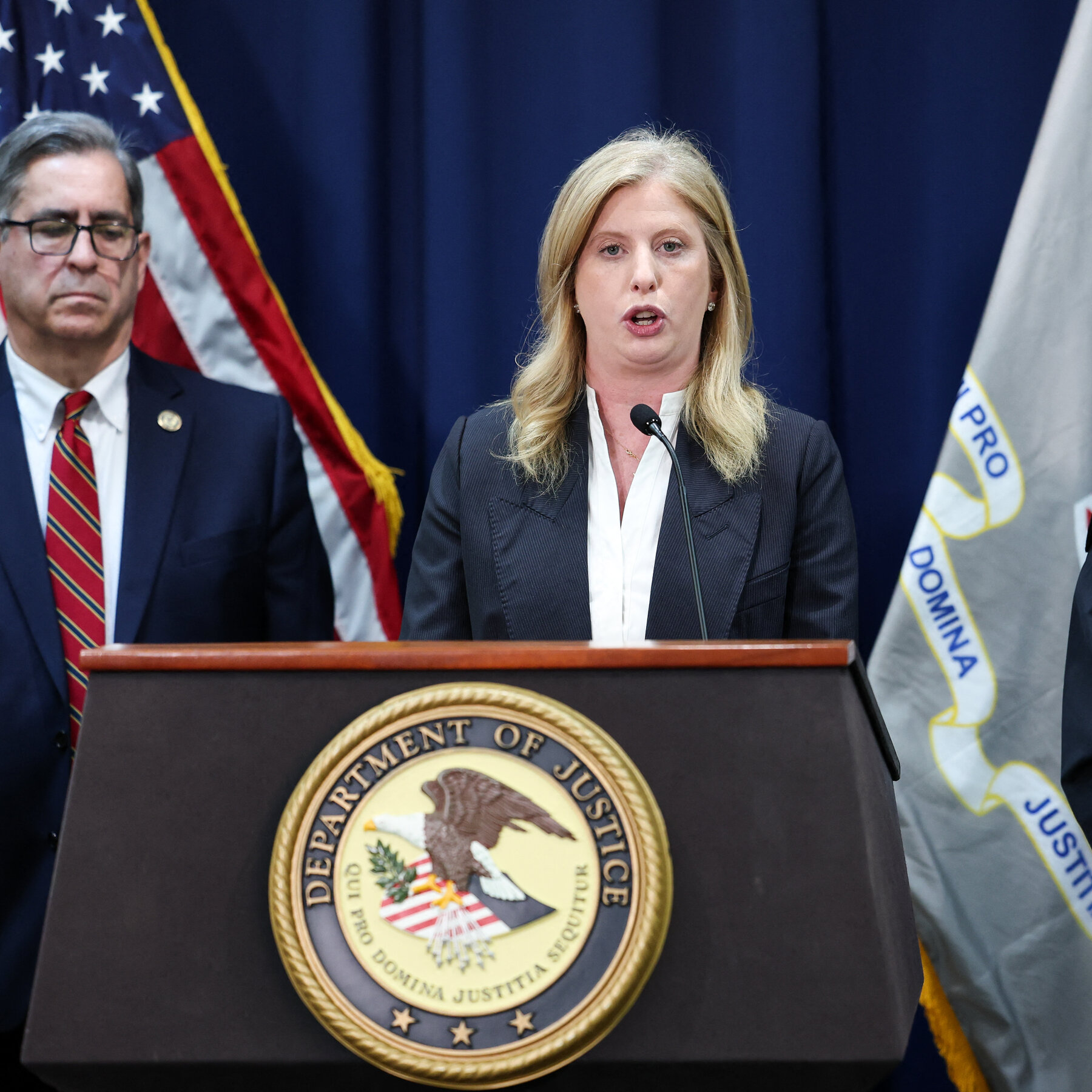
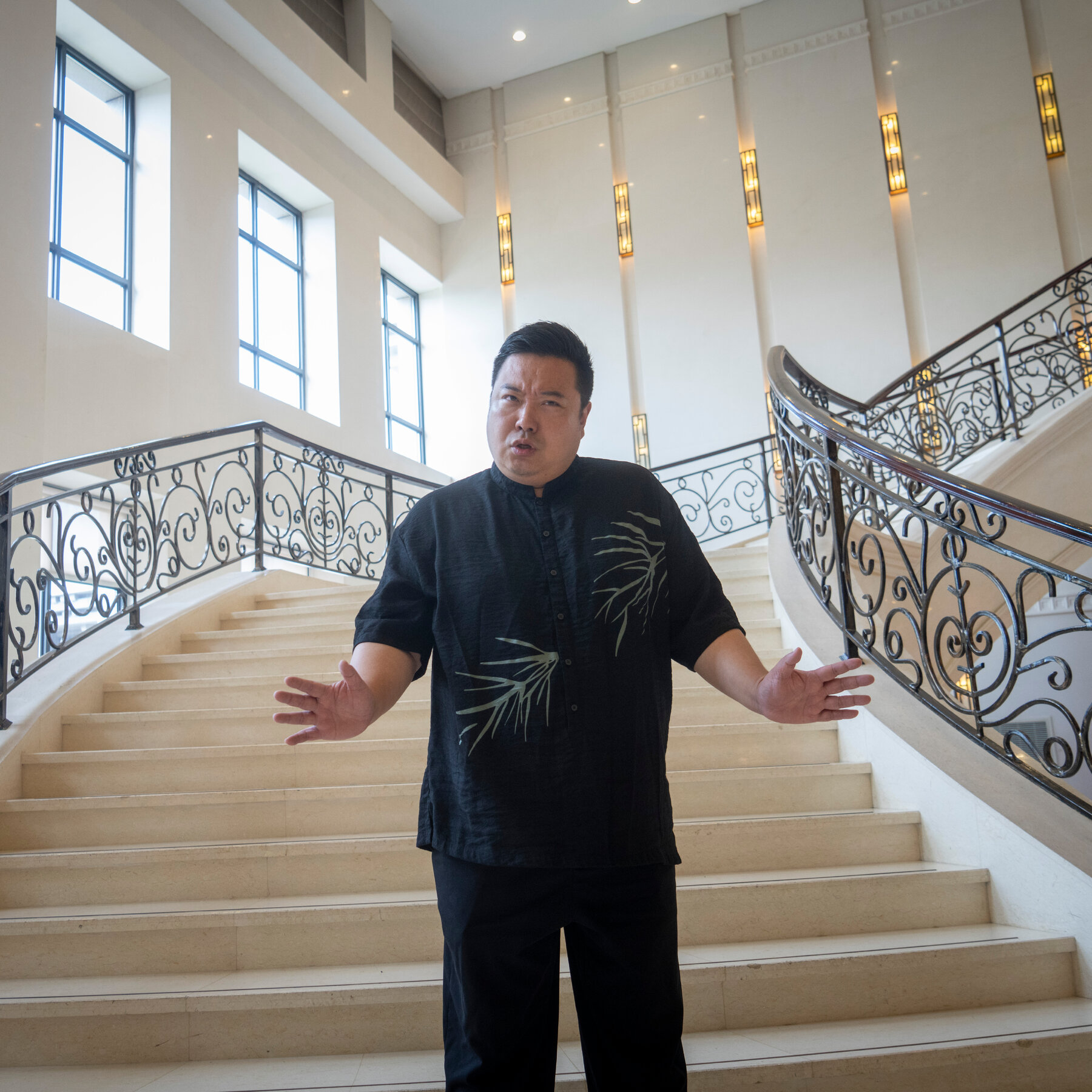
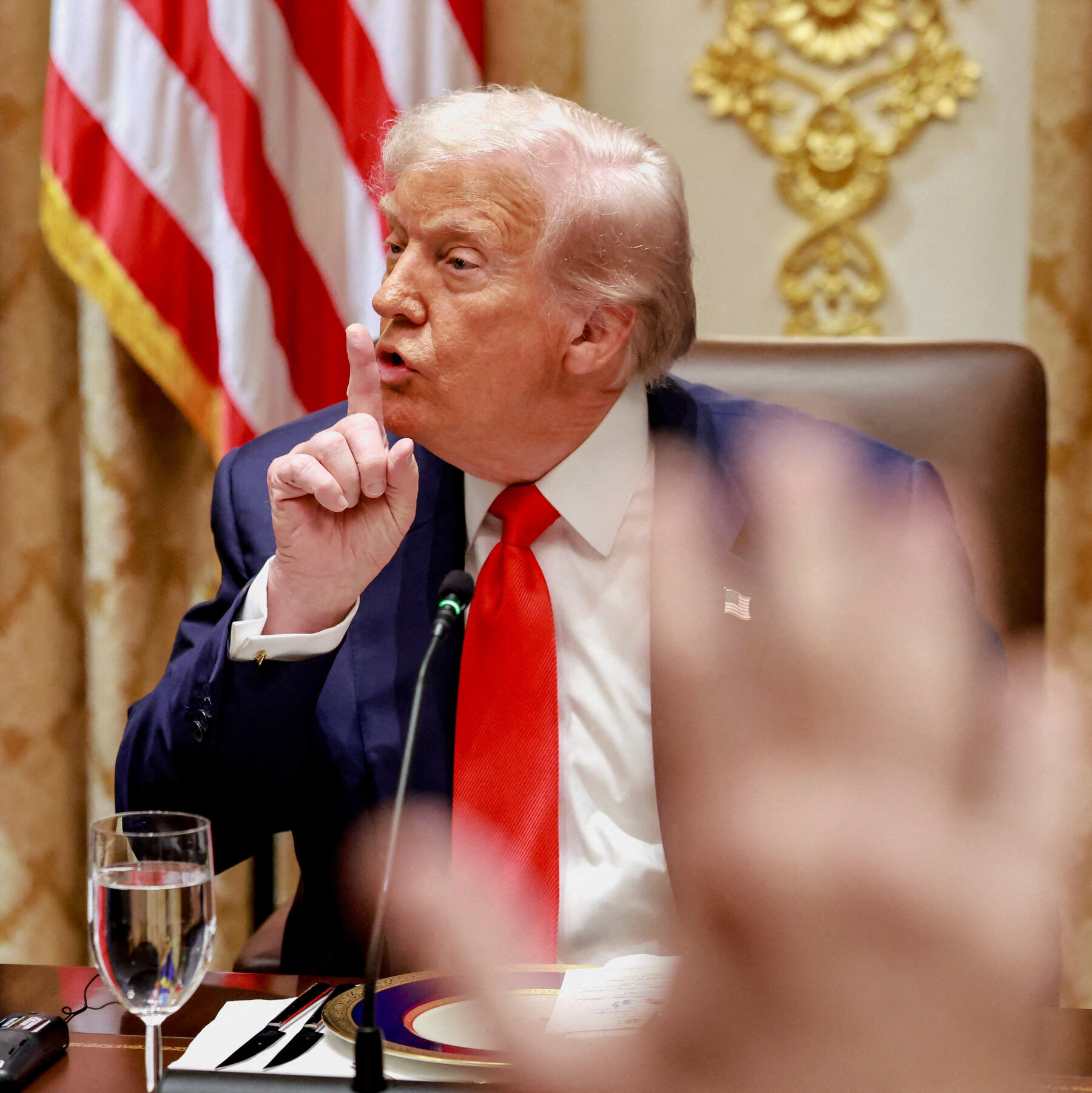
An influence campaign has emerged involving allies of former President Donald Trump, including Rudolph W. Giuliani, who are working to portray a Serbian politician as a victim of political persecution. This effort appears to be aimed at bolstering the image of a leader backed by Russian President Vladimir Putin in the Balkans. The campaign highlights the intersection of U.S. political figures and foreign influence, particularly in relation to Serbia's political landscape. In a separate context, President Trump has faced criticism regarding his approach to crime in Chicago. Six weeks into a federal crackdown on crime, anticipated improvements have not materialized, leading to dissatisfaction among many in the city's Black population. Trump had previously suggested that Black Chicagoans supported his aggressive crime-fighting measures, a sentiment that is not widely shared among residents. The lack of visible results from the federal initiative has raised concerns about the effectiveness of the measures being implemented. Community members express skepticism regarding the federal government's strategies, feeling that their needs and perspectives are not being adequately considered. Many residents are looking for tangible changes and improvements in safety and quality of life, which they feel have not yet been delivered. This situation underscores the complexities of addressing crime in urban areas, particularly in communities that have historically faced systemic challenges. Additionally, the New York Times reported on a separate issue involving professional sports, where figures from the NBA, including Terry Rozier and Chauncey Billups, were arrested in connection with gambling schemes that tainted games. This incident highlights ongoing concerns about integrity in professional sports and the influence of organized crime, as prosecutors detail how a Mafia-run ring used former NBA players to lure high rollers into poker traps.
Advertisement
Cluster Activity
Lindy Score Breakdown (V4.2)
Story Timeline
- 2025-10-09
- 2025-10-10
- 2025-10-15Trump Allies Push to Bolster Putin-Backed Balkans Leader (current)
- 2025-10-19
- 2025-10-22
- 2025-10-23
- 2025-10-24
AnalysisRisk 20
Same Story from 11 sources




Breaking Similar stories

Anti-Lindy Similar stories