Hubble Reveals that Star Formation is Slowing Down in the Andromeda Galaxy
Universe Today • 8/14/2026 – 8/15/2026
Summary
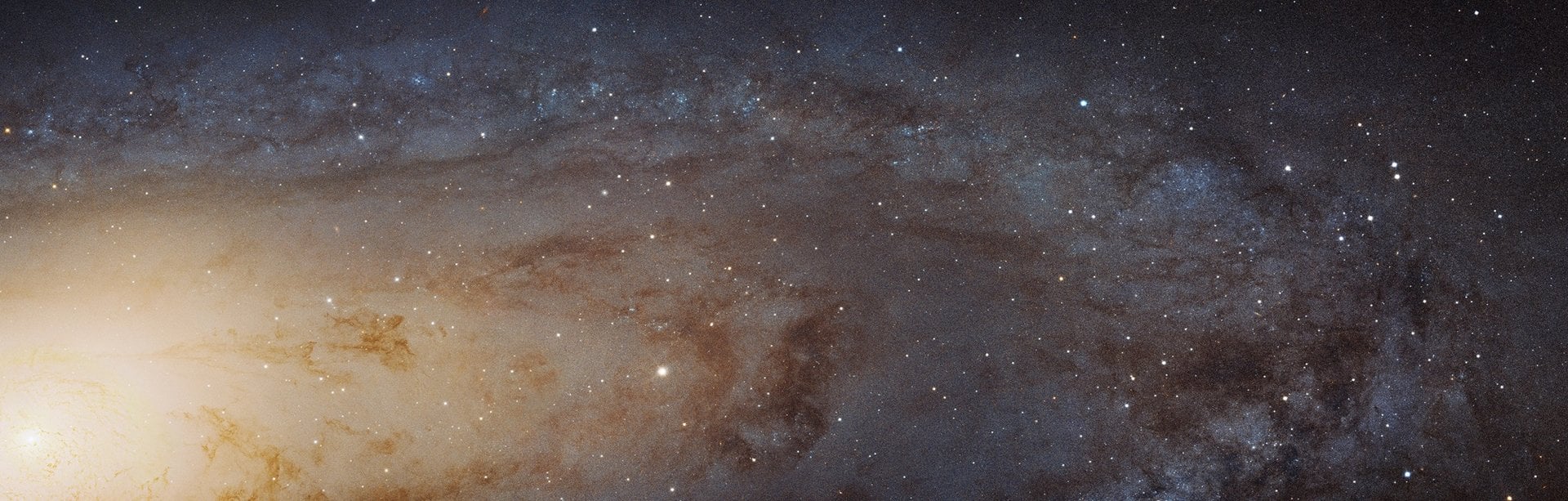
A team of scientists led by the University of Washington has conducted a study revealing that star formation in the Andromeda galaxy is significantly declining. This decline has been observed over a period of 500 million years, indicating a long-term trend in the galaxy's stellar activity. The findings highlight a notable change in the dynamics of star formation within Andromeda, which is recognized as the nearest spiral galaxy to Earth. NASA’s Hubble Space Telescope played a crucial role in this research, providing highly detailed surveys that suggest the rate of new star formation in Andromeda is decreasing. This decline is part of a broader understanding of how galaxies evolve over time. The data collected by Hubble offers critical insights into the lifecycle of galaxies, particularly in how they transition from periods of active star formation to more quiescent phases. The implications of this research extend beyond the Andromeda galaxy, contributing to the overall knowledge of galactic evolution. Understanding the processes that lead to the winding down of star formation can assist astronomers in making comparisons with other galaxies and refining models of galaxy development. The findings underscore the importance of ongoing observations and studies in unraveling the complexities of the universe's structure and behavior over vast timescales. Overall, the observations made by Hubble indicate a significant shift in Andromeda's star formation activity. This may influence future studies of galactic dynamics and evolution, emphasizing the need for continued exploration and analysis of galaxies to enhance our understanding of their life cycles and the factors that affect their development.
Advertisement
Lindy Score Breakdown (V4.2)
Score BreakdownRisk 50
Stories gain Lindy status through source reputation, network consensus, and time survival.
Breaking Similar stories