On this day in space! Aug. 7, 1980: NASA's Viking 1 Mars orbiter shuts down 4 years into a 90-day mission
Space.com • 8/7/2026
Summary
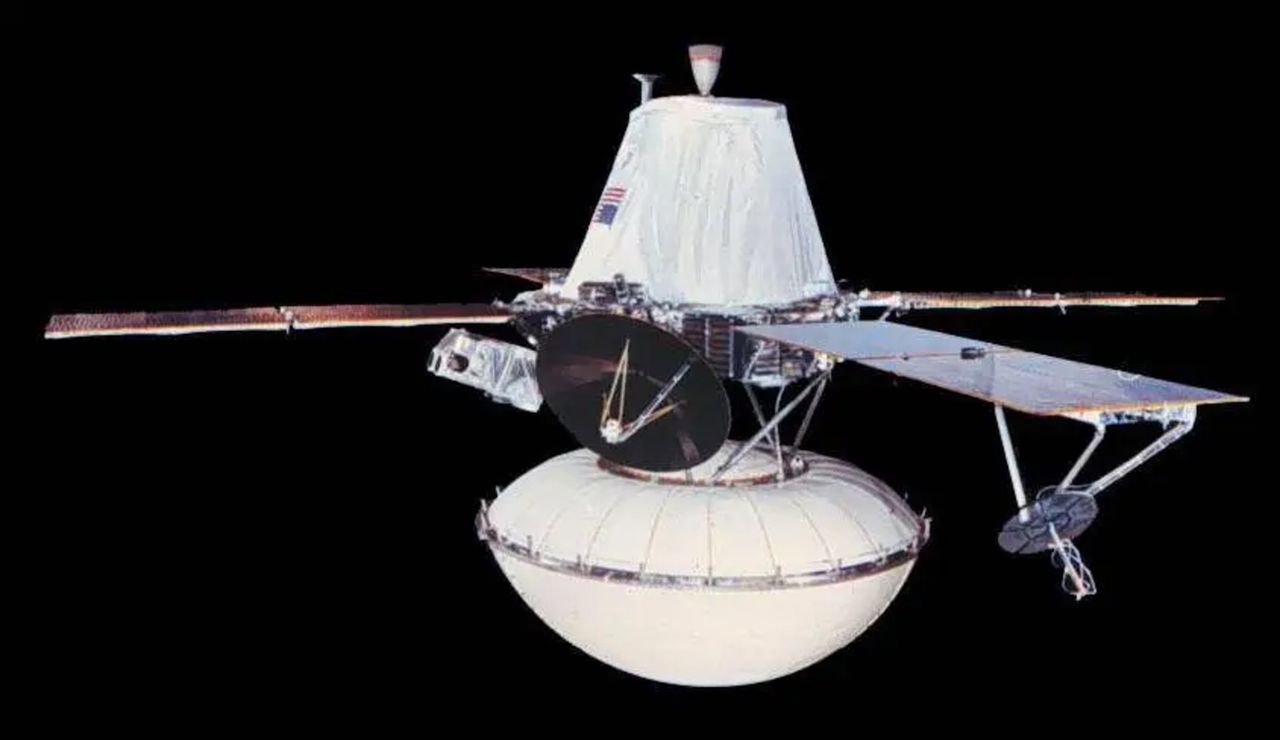
On August 7, 1980, NASA's Viking 1 spacecraft, which had been orbiting Mars, concluded its mission after four years of operation. Originally intended for a 90-day mission, Viking 1 was part of NASA's Viking Program, which included two pairs of orbiters and landers sent to Mars. The Viking missions operated from 1976 until 1982, during which they gathered extensive data and imagery about the Martian environment. Viking 1 achieved a historic milestone by becoming the first successful Mars lander when it touched down on July 20, 1976. At 5:12 a.m. PDT, mission controllers at NASA’s Jet Propulsion Laboratory confirmed that Viking 1 had survived its descent through the thin Martian atmosphere, leading to celebrations among the team. Approximately forty minutes after landing, the lander transmitted its first image back to Earth, providing humanity with its initial view of the Martian surface. This successful landing and the subsequent data collection were pivotal in paving the way for future Mars exploration missions. The information obtained from the Viking missions has been crucial in enhancing our understanding of Mars and has influenced ongoing research and exploration efforts. Fifty years after the historic landing of Viking 1, NASA continues to focus on Mars, looking toward the Red Planet's skies. The legacy of the Viking missions remains influential, as they established foundational knowledge that informs current and future missions to the planet. The achievements of Viking 1 are celebrated as a crucial step in understanding Mars and its environment.
Advertisement
Lindy Score Breakdown (V4.2)
Score BreakdownRisk 50
Stories gain Lindy status through source reputation, network consensus, and time survival.
Breaking Similar stories