Iran war day 70: US, Iran trade fire in Hormuz amid ceasefire tensions
Al Jazeera • 5/5/2026 – 5/8/2026

Summary
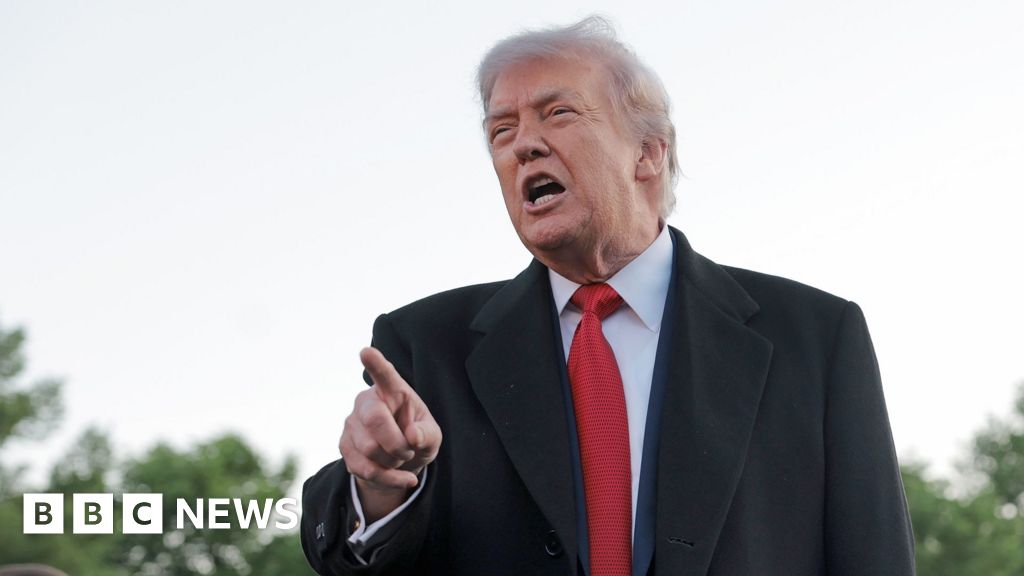
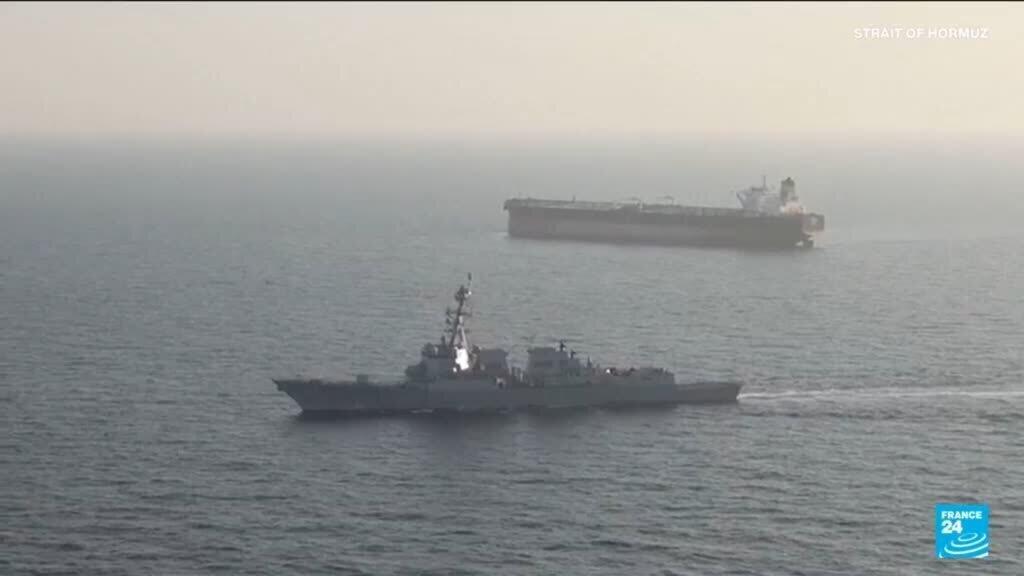
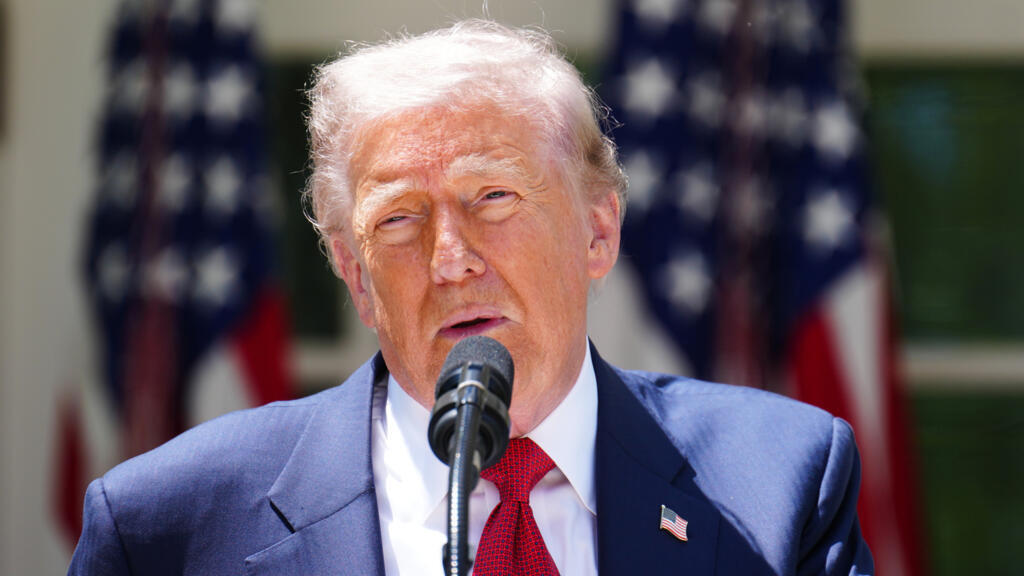
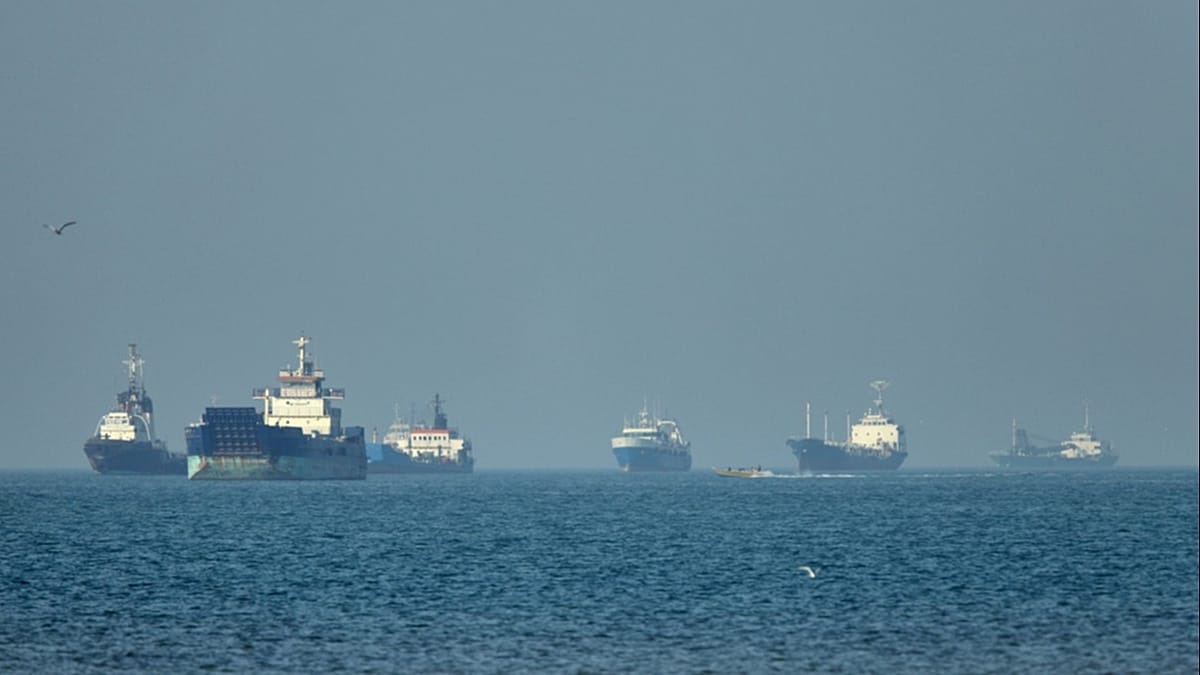
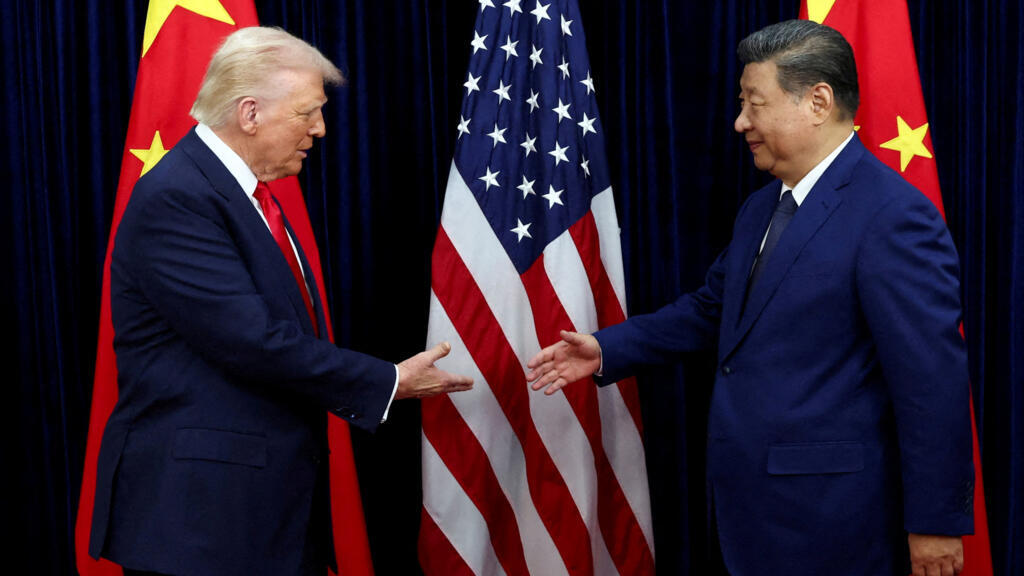
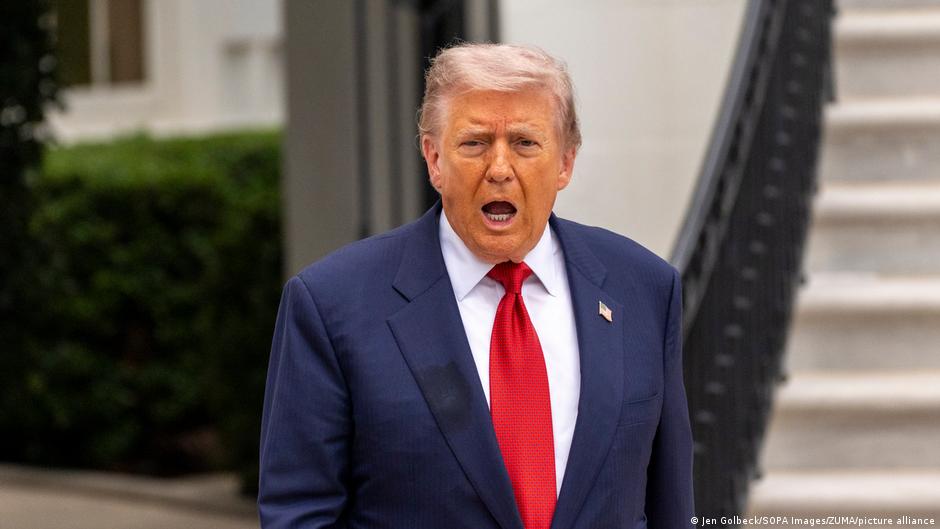
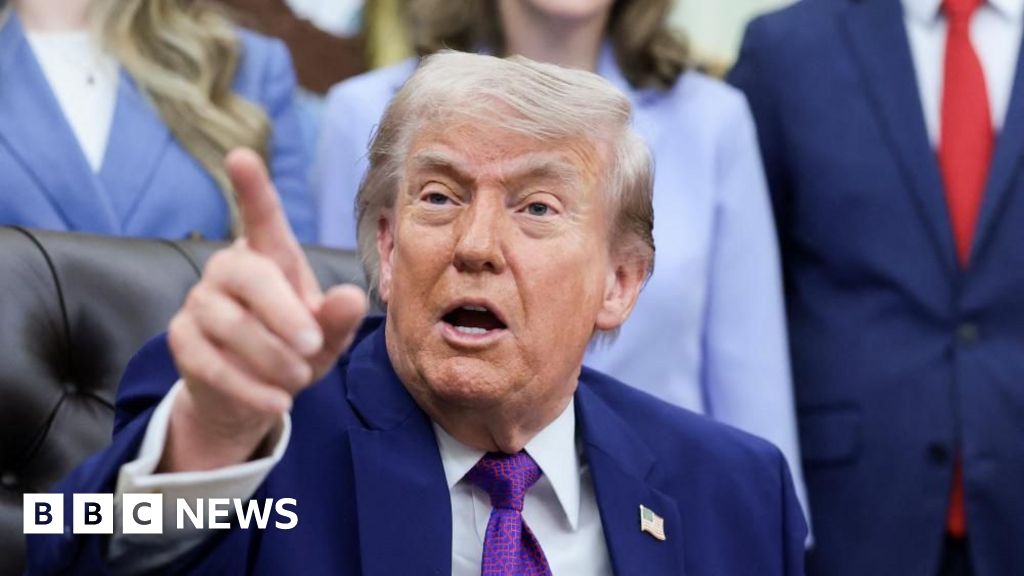
On day 70 of the ongoing conflict, tensions between the United States and Iran escalated as both nations exchanged fire in the Strait of Hormuz. Iran accused the U.S. of breaching a ceasefire agreement, alleging that American forces targeted an oil tanker and conducted attacks on coastal areas. In response, U.S. Central Command (CENTCOM) stated that its forces acted to defend against Iranian attacks. This exchange of fire has raised concerns about the stability of the fragile truce that had been in place. U.S. President Donald Trump addressed the situation, asserting that the ceasefire with Iran remains in effect despite the recent clashes. He characterized the attacks as “a trifle,” downplaying their significance. However, the Iranian military's actions, including an attack on three American destroyers, have heightened fears regarding the potential for further escalation in the region. The ongoing conflict has also impacted global markets, with oil prices rising as a result of the clashes in this critical waterway. Brent crude prices increased amid concerns over the security of oil transport routes. The situation remains volatile, with both sides exchanging accusations and the potential for further military engagement looming. As the ceasefire is challenged, the UAE reported drone and missile attacks, indicating that the conflict may extend beyond U.S.-Iran hostilities. Iran has been urged to sign an agreement quickly to stabilize the situation, as the international community watches closely for developments in this high-stakes conflict.
Advertisement
Cluster Activity
Lindy Score Breakdown (V4.2)
Story Timeline
- 2026-05-05
- 2026-05-06
- 2026-05-07
- 2026-05-08Iran war day 70: US, Iran trade fire in Hormuz amid ceasefire tensions (current)
- 2026-05-09
- 2026-05-10
- 2026-05-11
- 2026-05-12
AnalysisRisk 10
Same Story from 11 sources






Breaking Similar stories




Anti-Lindy Similar stories