World Court Hears Groundbreaking Genocide Case Against Myanmar - The New York Times
Google News • 1/12/2026 – 1/14/2026
Summary
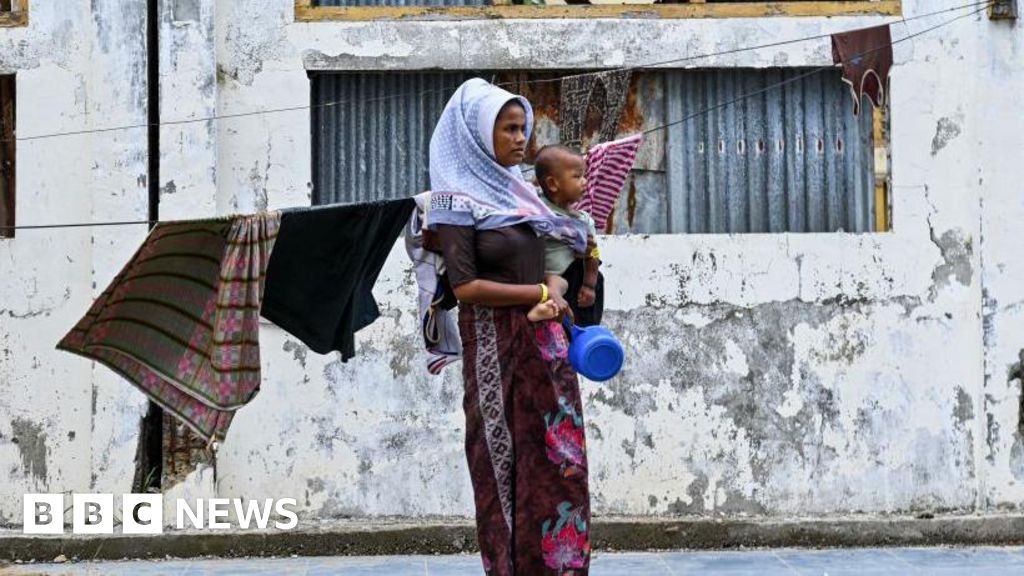
The International Court of Justice (ICJ), the United Nations' top court, has opened a landmark case concerning allegations of genocide against Myanmar's Rohingya Muslim minority. The Gambia, representing the Organization of Islamic Cooperation, has accused Myanmar's leadership of committing "brutal and vicious violations" against the Rohingya people. This case marks a significant moment in international law, as it addresses the serious accusations of genocide and the treatment of the Rohingya, who have faced severe persecution and violence. The Gambia's legal team presented evidence and arguments asserting that Myanmar's actions constitute genocide, including the intent to kill and the systematic targeting of the Rohingya population. The allegations include mass killings, sexual violence, and the destruction of homes and villages, which have led to a humanitarian crisis and the displacement of hundreds of thousands of Rohingya individuals. The court's proceedings are expected to scrutinize the evidence presented and determine whether Myanmar's actions meet the legal definition of genocide. The case has garnered significant international attention, as it highlights the ongoing plight of the Rohingya and the responsibilities of states under international law. The ICJ's decision could have far-reaching implications for Myanmar and its leadership, as well as for the global response to genocide and human rights violations. The proceedings are being closely monitored by various human rights organizations and governments worldwide, reflecting the importance of accountability in cases of alleged genocide.
Advertisement
Lindy Score Breakdown (V4.2)
Story Timeline
- 2026-01-12World Court Hears Groundbreaking Genocide Case Against Myanmar - The New York Times (current)
Score BreakdownRisk 35
Stories gain Lindy status through source reputation, network consensus, and time survival.
Same Story from 2 sources
Breaking Similar stories





Anti-Lindy Similar stories