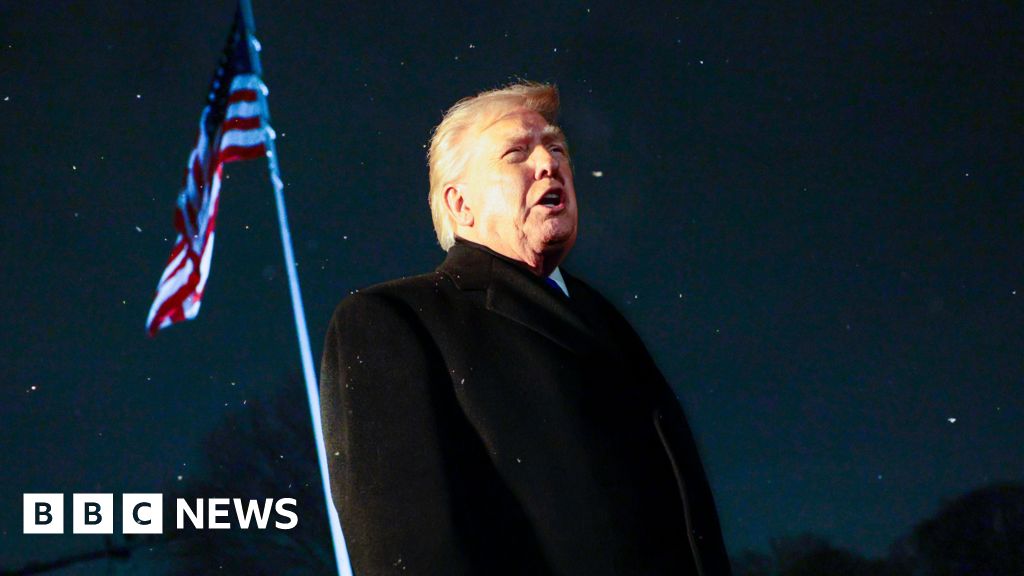
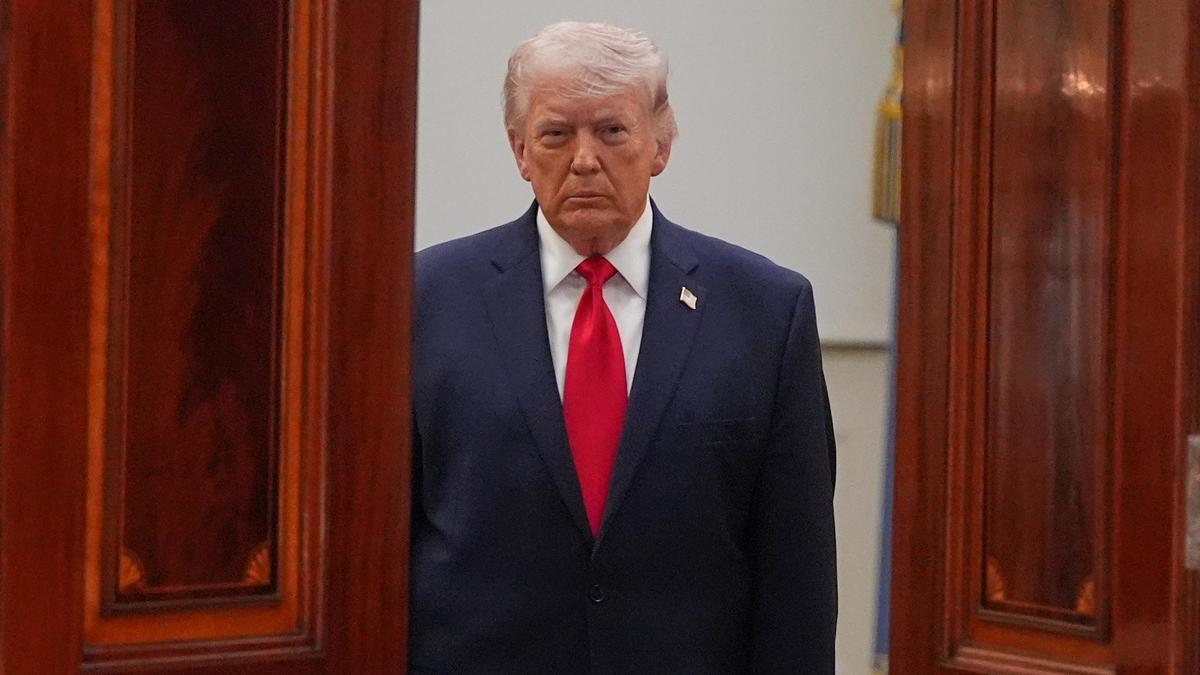
'A check on executive authority': Supreme Court delivers blow to Trump’s tariffs
France24 • 2/21/2026
Summary
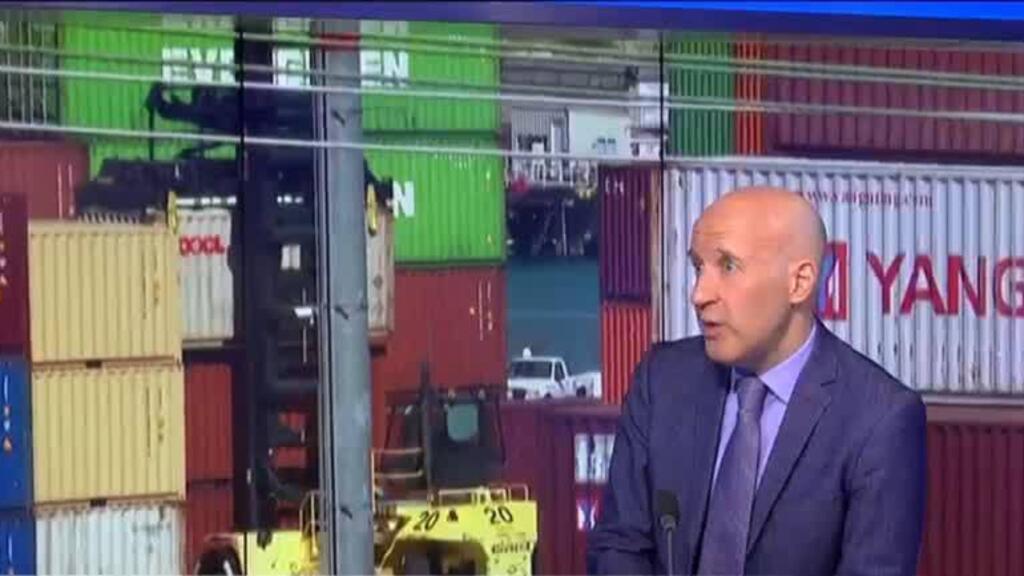
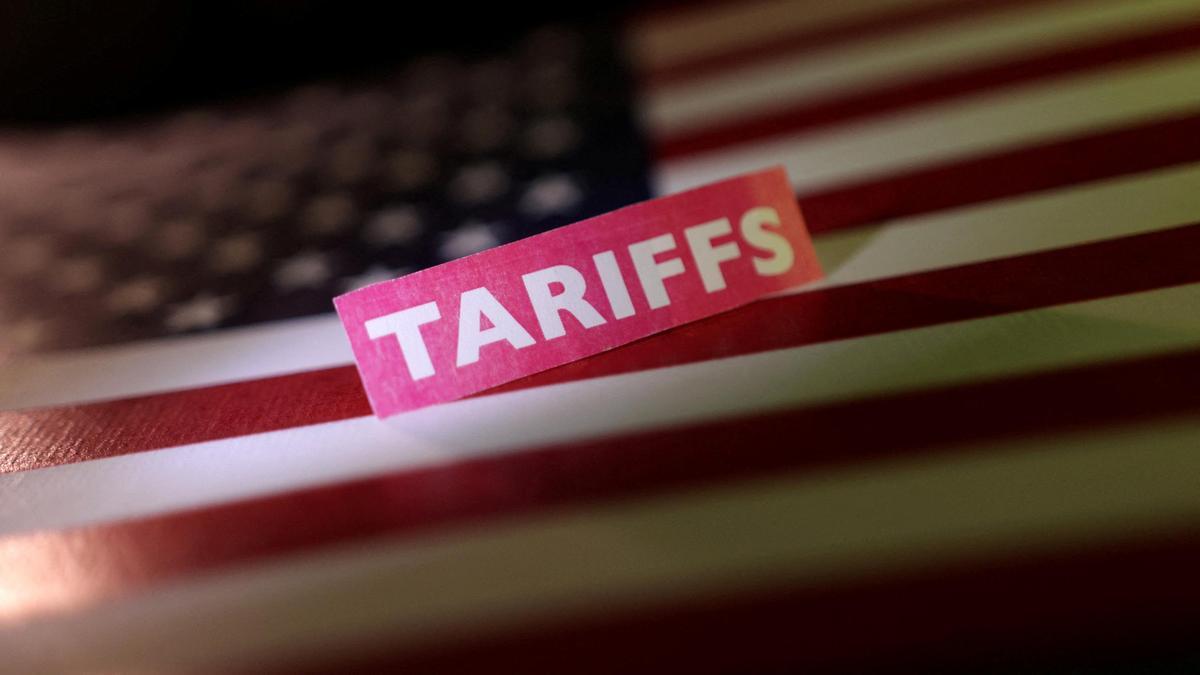
The U.S. Supreme Court delivered a significant ruling on Friday by striking down President Donald Trump's extensive global tariffs, marking a notable instance of the court acting as a check on executive authority. This decision was characterized as a "stinging loss" for Trump, who had previously shaped the court's composition. The ruling indicated the court's willingness to assert its independence in matters concerning executive power, despite having sided with Trump in earlier cases (FRANCE 24). The Supreme Court's judgment addressed the tariffs imposed under Trump's emergency powers, specifically ruling that he was not authorized to levy broad tariffs on imports using the 1977 International Emergency Economic Powers Act. This ruling could have far-reaching implications for U.S. businesses and the global economy, as it challenges the foundation of Trump's unilateral decision-making regarding trade (The Hindu, France24). Thousands of businesses are expected to benefit from this ruling, although the process of obtaining refunds for the tariffs has only just begun (France24). In response to the Supreme Court's decision, Trump announced plans to impose a new global 10% tariff, which is limited to a duration of 150 days and has not been previously utilized for such purposes. This announcement came shortly after the court blocked much of his emergency tariffs, illustrating his continued efforts to exert influence over trade policy (The Hindu, Deutsche Welle). The ruling is anticipated to have ripple effects on economies worldwide, as it challenges Trump's approach to reshaping post-World War II trading alliances through tariffs (France24).
Advertisement
Cluster Activity
Lindy Score Breakdown (V4.2)
Story Timeline
- 2026-02-21'A check on executive authority': Supreme Court delivers blow to Trump’s tariffs (current)
- 2026-02-22
- 2026-02-24
- 2026-03-05
- 2026-03-06
Score BreakdownRisk 25
Stories gain Lindy status through source reputation, network consensus, and time survival.
Same Story from 11 sources





Breaking Similar stories






Anti-Lindy Similar stories