World Cancer Day: Smoking, infections and alcohol cause 4 in 10 preventable cancer cases
Deutsche Welle • 2/3/2026
Summary
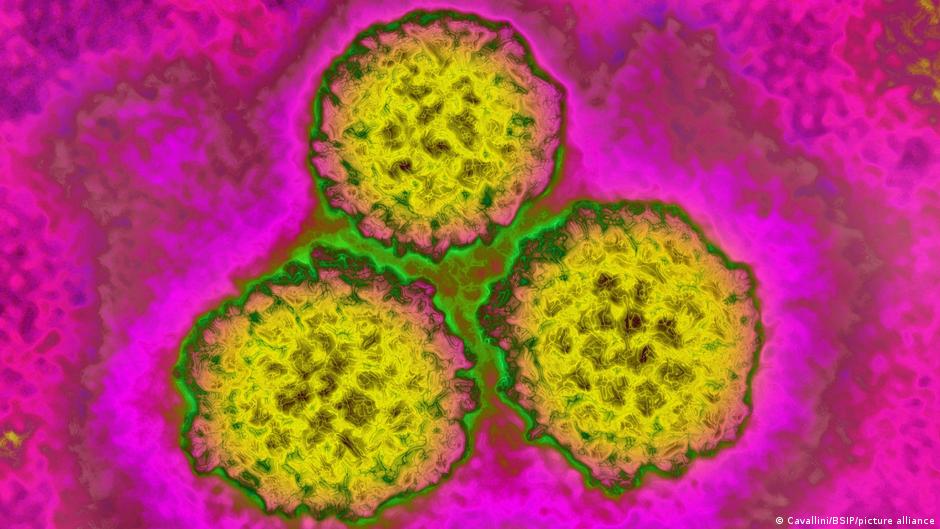
A recent study released in conjunction with World Cancer Day has revealed that more than one-third of cancer cases worldwide are preventable. The research indicates that addressing prevalent risk factors, such as tobacco use and excessive alcohol consumption, could help avoid over 7 million cancer cases. In 2022, nearly 40% of all cancer cases were attributed to modifiable risk factors, which include behavioral and environmental elements that can be changed (Nature, Scientific American). The findings of this study emphasize the significant impact of lifestyle choices on cancer incidence. It highlights the importance of modifiable behaviors in reducing cancer risk and aligns with historical trends in cancer research that have consistently shown that lifestyle changes can significantly decrease the likelihood of developing cancer. The study underscores the need for sustained efforts in health promotion and policy-making to mitigate cancer risks globally (Euronews, Scientific American). Furthermore, the implications of these findings extend beyond immediate awareness, reinforcing the importance of public health initiatives aimed at educating individuals about lifestyle changes that can lead to better health outcomes. This research contributes to the ongoing public health discourse surrounding cancer prevention strategies, emphasizing the necessity of addressing these risk factors to improve global health (Nature, Euronews). Overall, the study serves as a critical reminder of the role that individual choices play in cancer prevention and the need for comprehensive strategies to promote healthier lifestyles. By focusing on modifiable risk factors, public health efforts can potentially reduce the incidence of cancer significantly (Scientific American, Nature).
Advertisement
Cluster Activity
Lindy Score Breakdown (V4.2)
Story Timeline
- 2026-02-03World Cancer Day: Smoking, infections and alcohol cause 4 in 10 preventable cancer cases (current)
- 2026-02-04
- 2026-02-05
Score BreakdownRisk 25
Stories gain Lindy status through source reputation, network consensus, and time survival.
Same Story from 5 sources



Breaking Similar stories



Anti-Lindy Similar stories