Live: Iran and US expected to resume nuclear talks in Turkey on Friday
France24 • 2/2/2026 – 2/3/2026
Summary
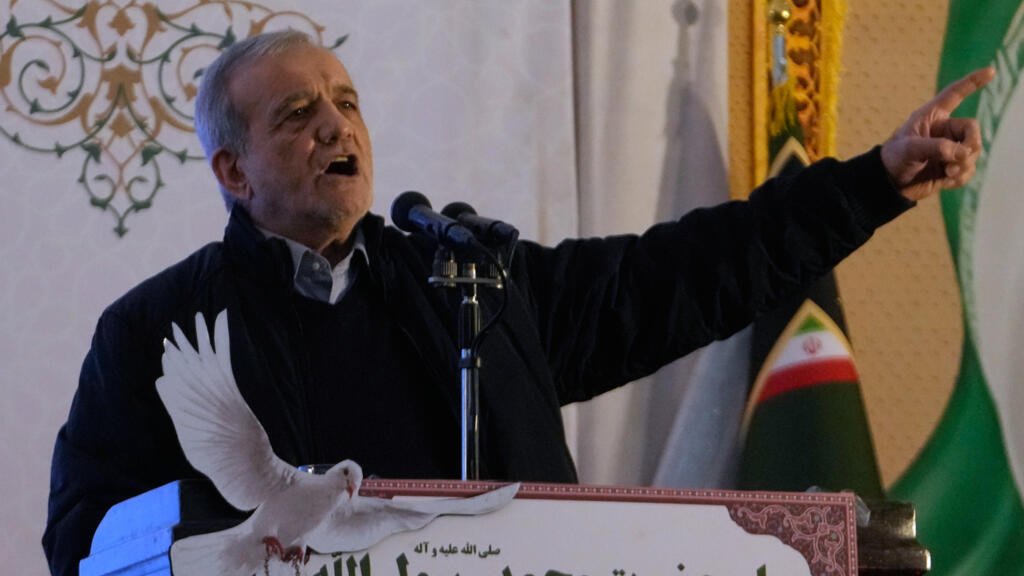
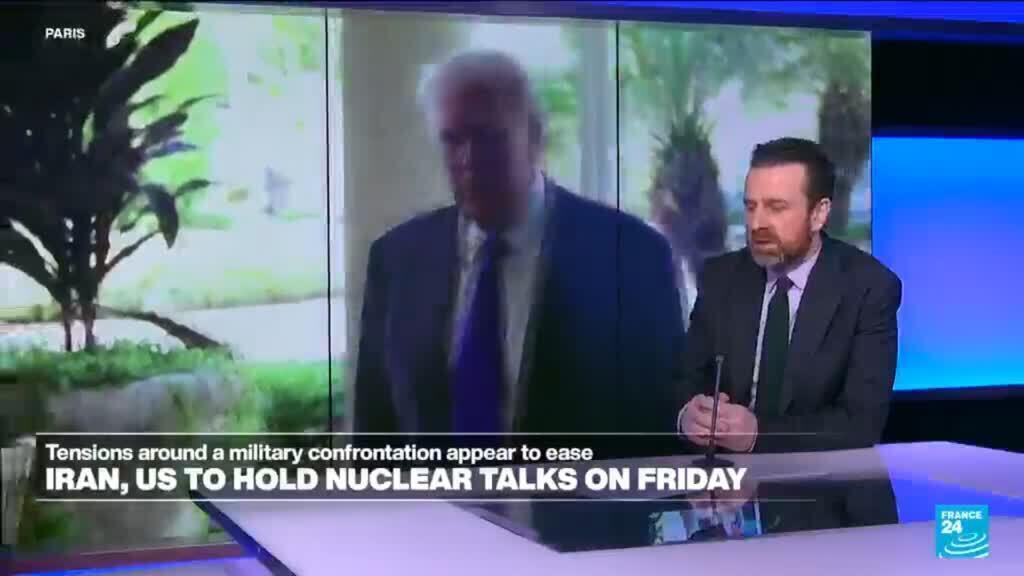
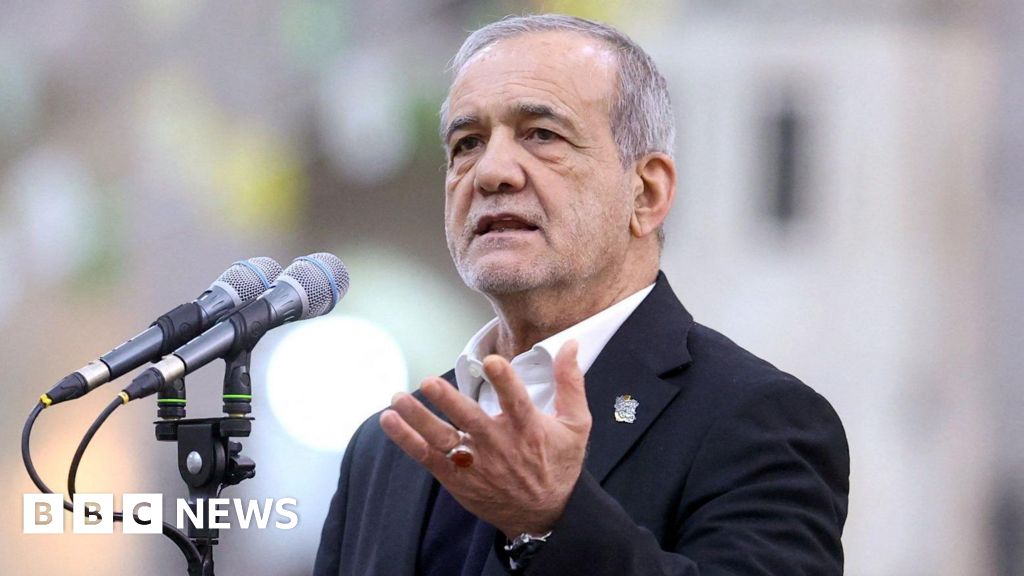
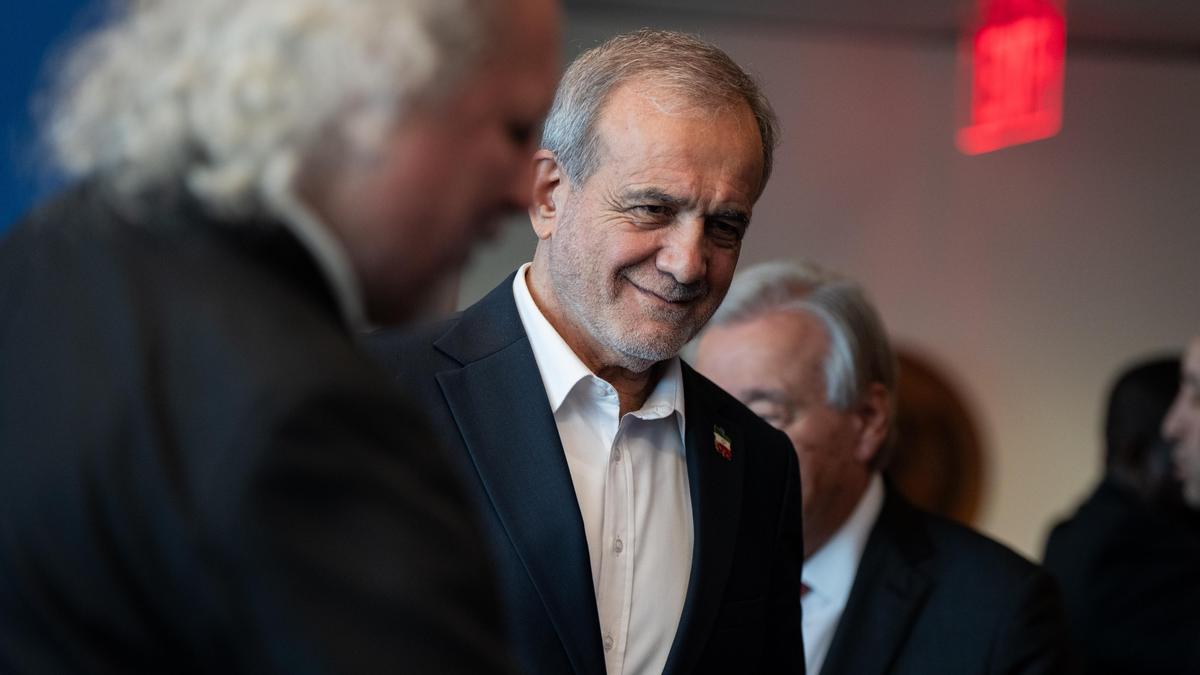
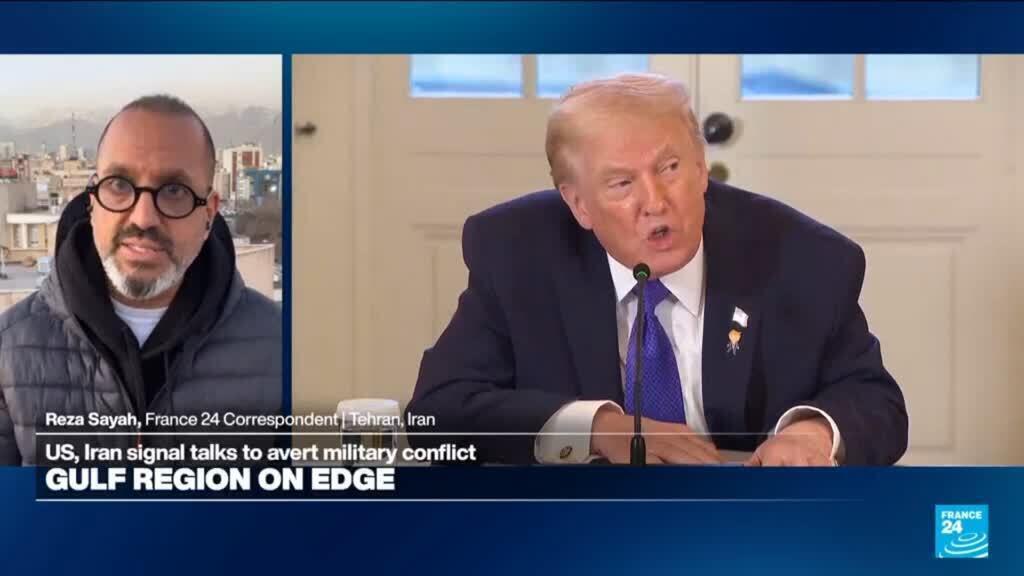
Iran and the United States are expected to resume nuclear talks on Friday in Turkey, as announced by Iranian President Masoud Pezeshkian. He has instructed Foreign Minister Abbas Araghchi to pursue "fair and equitable negotiations" with the U.S. This decision comes amid ongoing regional tensions and unrest within Iran, including a recent deadly crackdown on anti-government protests. The Iranian leadership, including Supreme Leader Ayatollah Ali Khamenei, appears to support this diplomatic initiative. The backdrop for these negotiations includes a significant buildup of U.S. naval forces in the region, notably the deployment of an aircraft carrier group. The U.S. has expressed hope that a deal could be reached to prevent military action against Iran. President Donald Trump has maintained an optimistic outlook regarding the potential for negotiations, believing they could lead to a resolution of the ongoing crisis. The upcoming talks represent a critical moment for the strained relationship between Iran and the U.S. Both nations are seeking a diplomatic path forward, reflecting a strategic decision by Iran to address the nuclear issue while navigating the complexities of domestic unrest and international military posturing. The situation remains fluid as both sides prepare for discussions that could significantly impact regional stability and international relations. The outcome of these negotiations could have far-reaching implications for both countries and the broader Middle East. As both sides engage in this diplomatic effort, the stakes are high, and the potential for a resolution to the current crisis is uncertain. The willingness of Iran to engage in negotiations marks a significant shift in its diplomatic stance, highlighting the complexities of the geopolitical landscape in which these talks are taking place.
Advertisement
Cluster Activity
Lindy Score Breakdown (V4.2)
Story Timeline
- 2026-02-02
- 2026-02-03Live: Iran and US expected to resume nuclear talks in Turkey on Friday (current)
Score BreakdownRisk 25
Stories gain Lindy status through source reputation, network consensus, and time survival.
Same Story from 7 sources


Breaking Similar stories





Anti-Lindy Similar stories