Europe is about to sign a long-awaited free-trade deal with India
The Economist • 1/25/2026 – 1/26/2026
Summary
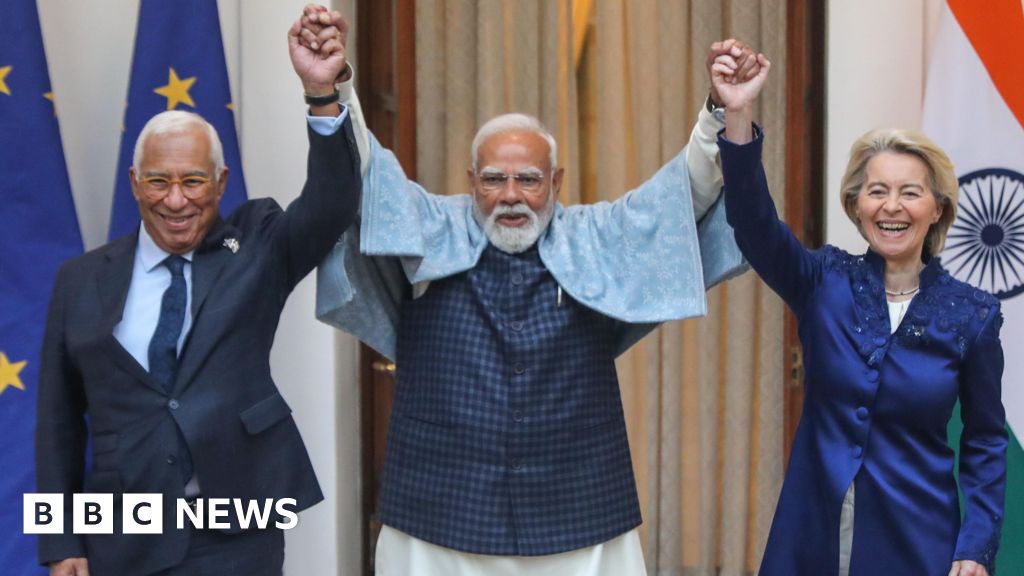
India and the European Union (EU) are on the verge of finalizing a long-awaited free trade agreement, described by some as the "mother of all deals." This landmark trade deal comes amid increasing economic and geopolitical pressures from the United States, which has imposed steep import tariffs affecting both India and the EU. The agreement is seen as a strategic move for both parties to strengthen their economic ties and reduce reliance on the U.S. market (NPR, DW.com, BBC). The negotiations for this free trade agreement have been ongoing for several years, and recent developments indicate that both sides are ready to wrap up talks. Reports suggest that India is prepared to significantly reduce tariffs on cars to 40% as part of the deal, which is expected to enhance trade flows between the two economies (Reuters, BBC). The agreement aims to foster closer economic cooperation and address the challenges posed by U.S. trade policies, particularly under the previous administration (The Economist, CNBC). The EU and India are seeking to bolster their economic relationship through this trade deal, which is anticipated to cover various sectors, including goods and services. The deal is expected to provide mutual benefits and create new opportunities for businesses in both regions (DW.com, Reuters). As the finalization of the agreement approaches, both parties are optimistic about the potential outcomes and the strengthening of their partnership in the face of external pressures (NPR, BBC).
Advertisement
Cluster Activity
Lindy Score Breakdown (V4.2)
Story Timeline
- 2026-01-25Europe is about to sign a long-awaited free-trade deal with India (current)
- 2026-01-26
- 2026-01-27
AnalysisRisk 10
Same Story from 8 sources


Breaking Similar stories
Anti-Lindy Similar stories
