Space weather caused a 16-minute train delay in 1848: 'Our research has a hint of a detective story'
Space.com • 9/16/2026 – 9/17/2026
Summary
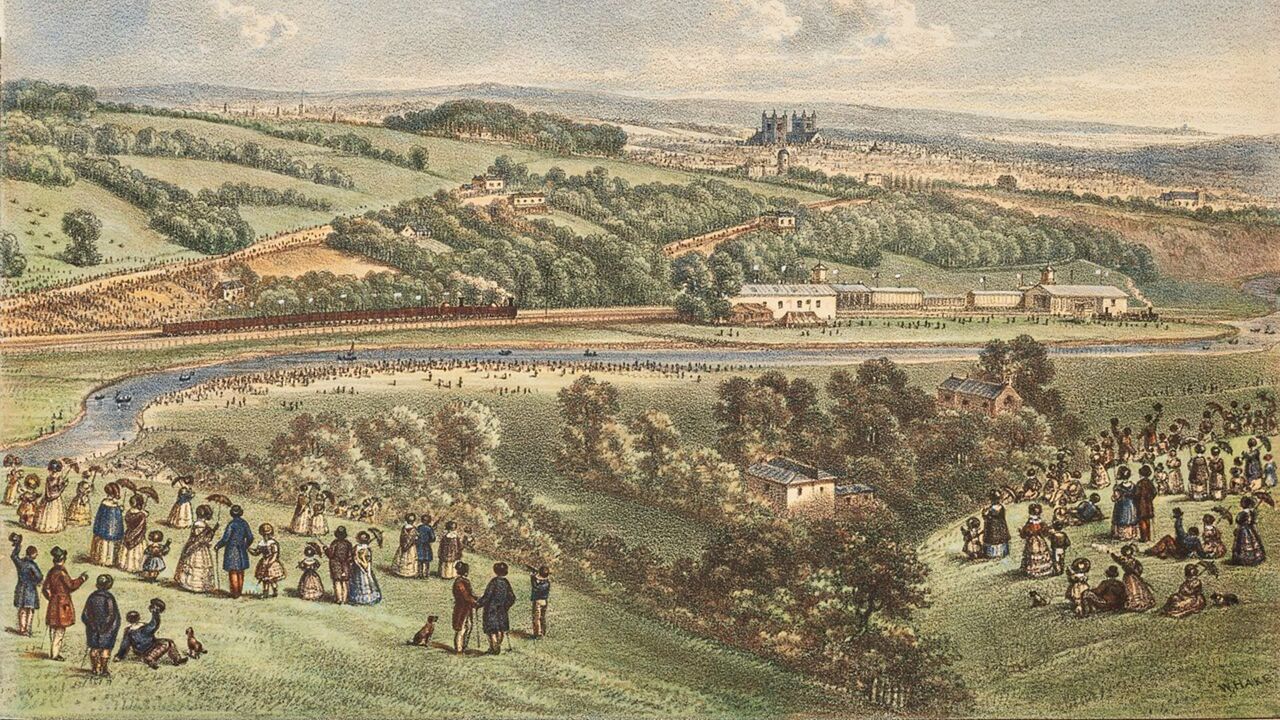
In 1848, a solar storm caused a significant disruption to one of Britain's early railway lines, resulting in a 16-minute delay for a train. This incident highlights the impact of space weather on Victorian technology, specifically how a surge of current sent through telegraph wires affected railway operations. The research surrounding this event has been described as having elements of a detective story, as it uncovers the interplay between natural phenomena and human infrastructure. The solar storm generated a surge of electrical current that interfered with the telegraph system, which was crucial for communication and coordination in railway operations at the time. This disruption illustrates the vulnerabilities of early technological systems to external environmental factors, such as solar activity. The incident serves as a historical example of how space weather can have tangible effects on human activities, particularly in the context of the technological advancements of the 19th century. Researchers have noted that this event is a reminder of the potential consequences of solar storms on modern technology as well. While the 1848 incident involved telegraph wires and trains, contemporary society relies heavily on technology that could similarly be affected by space weather. The findings from this historical analysis contribute to a broader understanding of the relationship between solar activity and technological systems throughout history.
Advertisement
Lindy Score Breakdown (V4.2)
Score BreakdownRisk 50
Stories gain Lindy status through source reputation, network consensus, and time survival.
Breaking Similar stories