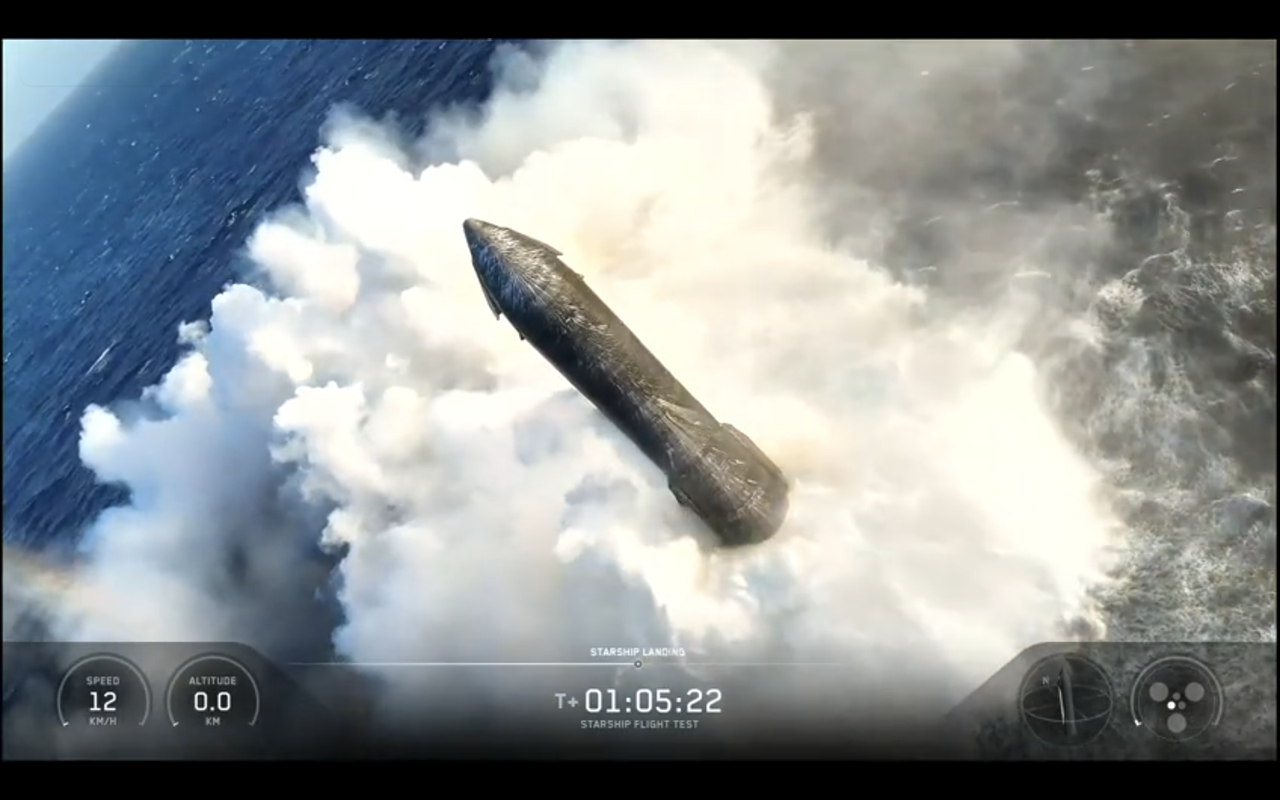
SpaceX is gearing up for Starship's 13th test flight later this week
Ars Technica • 7/10/2026 – 7/14/2026

Summary
SpaceX was preparing for the thirteenth test flight of its Starship rocket, designated Flight 13, which was scheduled for July 16. This flight aimed to put Starship under higher pressure and test new Starlink satellites in orbit. However, the launch attempt was aborted just before liftoff due to some of the vehicle's engines failing to ignite. This marked the first attempt to launch the Starship megarocket on its thirteenth flight test, but it ended in a scrub before it could properly begin (SpaceNews, Scientific American). Following the aborted launch, SpaceX did not immediately disclose the specific reasons for the ignition failure. The company's stock experienced a decline of more than 4% in after-hours trading, although it later pared some of those losses (TechCrunch). The aborted launch was significant as it represented the first Starship test flight for SpaceX as a public company, testing the market's response to the company's iterative approach to rocket development, characterized by a "fly, fail, fix" methodology (SpaceNews). SpaceX had previously received clearance to fly Starship again after a booster failure in May, indicating ongoing efforts to advance its launch capabilities despite setbacks. As of the latest reports, it remains unclear when SpaceX will attempt the launch again, as the company continues to work on addressing the issues that led to the cancellation of the mission (Space.com, SpaceNews).
Advertisement
Cluster Activity
Lindy Score Breakdown (V4.2)
Story Timeline
- 2026-07-10
- 2026-07-13
- 2026-07-14SpaceX is gearing up for Starship's 13th test flight later this week (current)
- 2026-07-16
- 2026-07-17
- 2026-07-20
- 2026-07-24
- 2026-07-25
Score BreakdownRisk 25
Stories gain Lindy status through source reputation, network consensus, and time survival.
Same Story from 11 sources








Breaking Similar stories









Anti-Lindy Similar stories