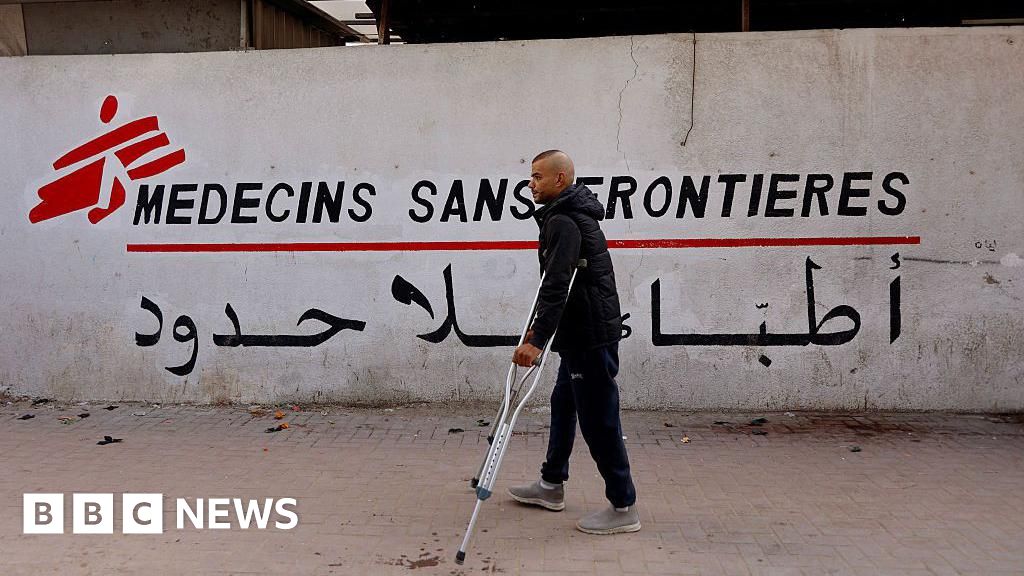
Israel to terminate MSF work in Gaza for failing to provide Palestinian staff list
The Hindu • 1/30/2026 – 2/1/2026

Summary
Israel has announced a ban on the medical charity Médecins Sans Frontières (MSF) from operating in Gaza due to the organization's refusal to provide a list of its staff members. This decision was made public three days ago, with Israeli authorities framing the demand for staff information as a matter of transparency and security. MSF declined to share this information, citing concerns for the safety of its personnel, which Israeli authorities did not adequately address (BBC, Al Jazeera). In response to the ban, MSF criticized the Israeli government's actions, labeling the demand for staff lists as a "pretext to obstruct humanitarian assistance." The organization emphasized that withholding the names was necessary to protect their staff, warning that the cessation of its medical operations in Gaza would have catastrophic consequences for the local population, particularly amid ongoing humanitarian crises that have severely impacted healthcare access (Times of Israel, France24). The situation highlights the complex dynamics between humanitarian organizations and state authorities in conflict zones. The requirement for NGOs to disclose personal details of their personnel raises significant concerns about the safety and privacy of aid workers, especially in volatile areas like Gaza (Google News, BBC). This incident reflects a broader trend where governmental control over humanitarian efforts can obstruct the delivery of essential services to vulnerable populations (France24, Al Jazeera). The implications of this ban extend beyond immediate aid disruption, raising questions about the operational viability of NGOs in politically sensitive areas. The ongoing humanitarian crisis in Gaza underscores the challenges faced by organizations like MSF, which must navigate the balance between security measures imposed by states and the urgent need for humanitarian assistance in conflict zones (Times of Israel, Google News).
Advertisement
Cluster Activity
Lindy Score Breakdown (V4.2)
Story Timeline
- 2026-01-30
- 2026-02-01Israel to terminate MSF work in Gaza for failing to provide Palestinian staff list (current)
- 2026-02-02
Score BreakdownRisk 25
Stories gain Lindy status through source reputation, network consensus, and time survival.
Same Story from 8 sources



Breaking Similar stories


Anti-Lindy Similar stories