Bangladesh lawmakers elect BNP's Alamgir as president
Deutsche Welle • 8/20/2026
Summary
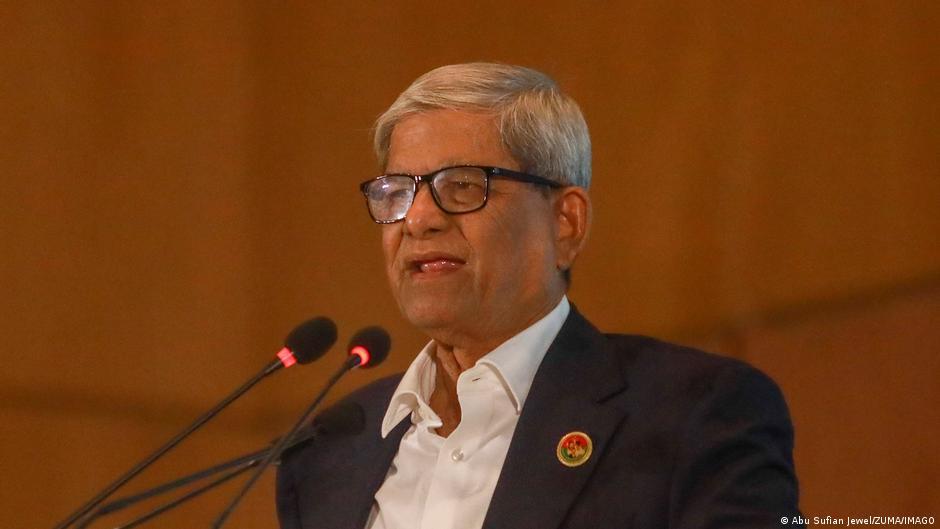
Bangladesh has recently held a presidential election, marking the first contested vote in 35 years. The election took place following a significant political shift, as the Bangladesh Nationalist Party (BNP) came to power after the 2024 revolution, which resulted in the ousting of the previous government led by Sheikh Hasina. The primary candidates in this election were Mirza Fakhrul Islam Alamgir, representing the ruling BNP, and Colonel (retd) Oli Ahmed, who is the nominee of a Jamaat-led 11-party alliance. Voting for the presidential election involved 349 lawmakers casting their ballots. The ruling BNP holds a substantial majority in parliament, with more than a two-thirds majority, which positions Alamgir as the likely candidate to secure the presidency. The role of the presidency in Bangladesh is largely ceremonial, and Alamgir's election is seen as a continuation of the BNP's influence in the country's political landscape. The election is significant not only for its contested nature but also for the broader implications it has on Bangladesh's political dynamics. The BNP's return to power represents a shift in governance after years of political tension and unrest. The outcome of this election is expected to shape the future of Bangladesh's political environment and governance structure.
Advertisement
Lindy Score Breakdown (V4.2)
Score BreakdownRisk 50
Stories gain Lindy status through source reputation, network consensus, and time survival.
Breaking Similar stories







Anti-Lindy Similar stories