Study documents record 118-kilometer dispersal by young female fisher in New Hampshire - Phys.org
Phys.org • 3/14/2026 – 3/15/2026
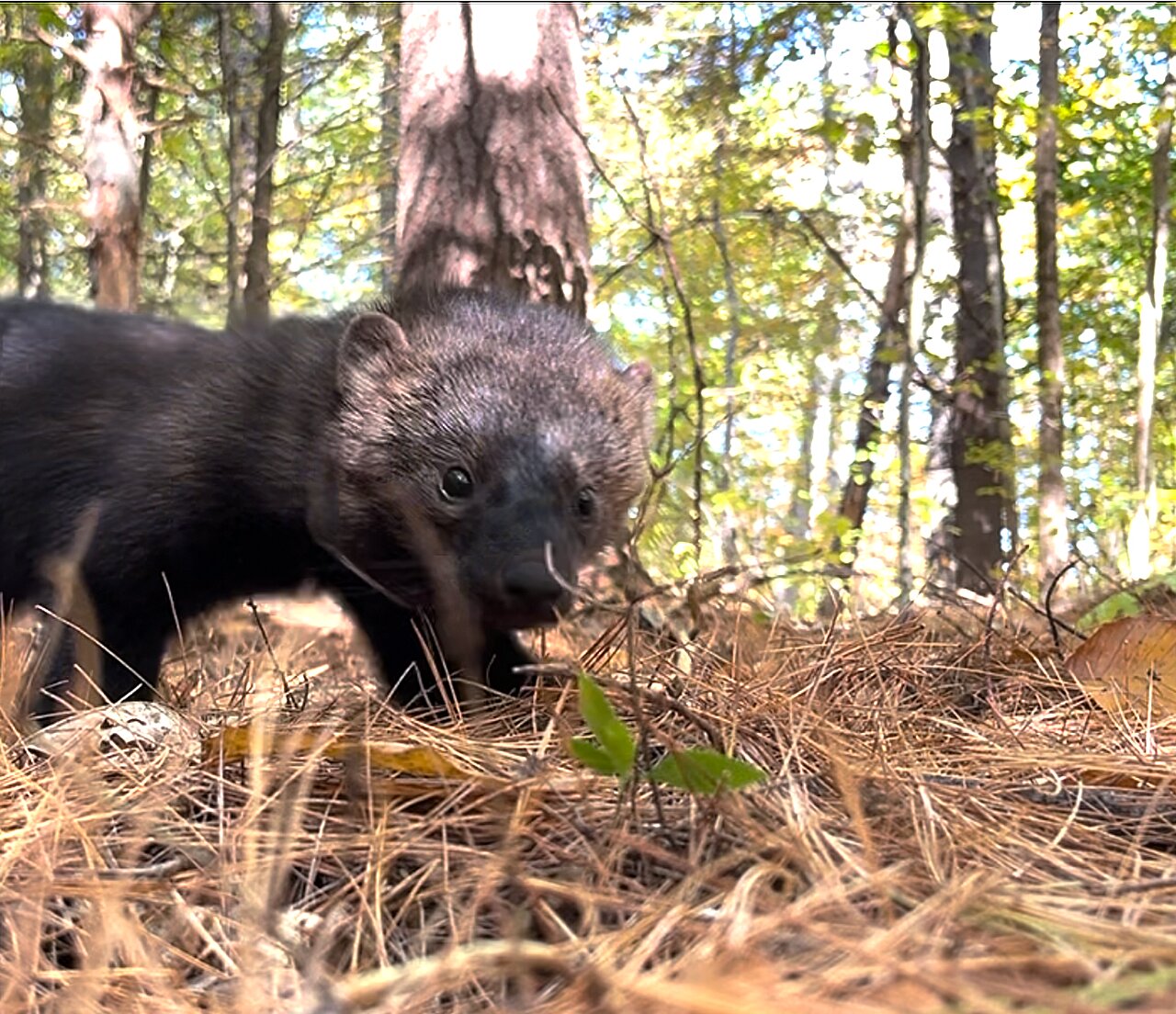
Summary
Researchers at the University of New Hampshire have documented a significant dispersal event involving a young female fisher (Pekania pennanti). This fisher traveled a remarkable distance of 118 kilometers, which is over 73 miles, moving from Durham to the outskirts of Lincoln, a small town located in New Hampshire's White Mountains. This journey has been recorded as the longest known dispersal for the species to date, highlighting the fisher's capability for extensive movement. The study emphasizes the behavior and movement patterns of the fisher, a species recognized for its adaptability and resilience across various habitats. The documentation of this particular fisher's journey provides valuable insights into the dispersal capabilities of the species. Understanding these capabilities is crucial for gaining knowledge about their ecology and conservation needs, especially in light of changing environmental conditions. The findings from this research contribute to the broader understanding of wildlife movement and habitat use. Tracking wildlife movements is essential for comprehending their behaviors and the factors influencing their dispersal. This record-setting dispersal of the young female fisher underscores the importance of such studies in informing future conservation efforts aimed at preserving the species and its habitat. Overall, the research conducted by the University of New Hampshire adds to the existing body of knowledge regarding the fisher's ecology, offering critical information that may aid in the conservation of this species. The documentation of this dispersal event serves as a significant milestone in understanding the movement patterns of fishers in New Hampshire.
Advertisement
Lindy Score Breakdown (V4.2)
Story Timeline
- 2026-03-14Study documents record 118-kilometer dispersal by young female fisher in New Hampshire - Phys.org (current)
Score BreakdownRisk 50
Stories gain Lindy status through source reputation, network consensus, and time survival.
Same Story from 2 sources
Breaking Similar stories

Anti-Lindy Similar stories