Farmed salmon may not be as nutritious as it once was, new research suggests
Ars Technica • 9/6/2026
Summary
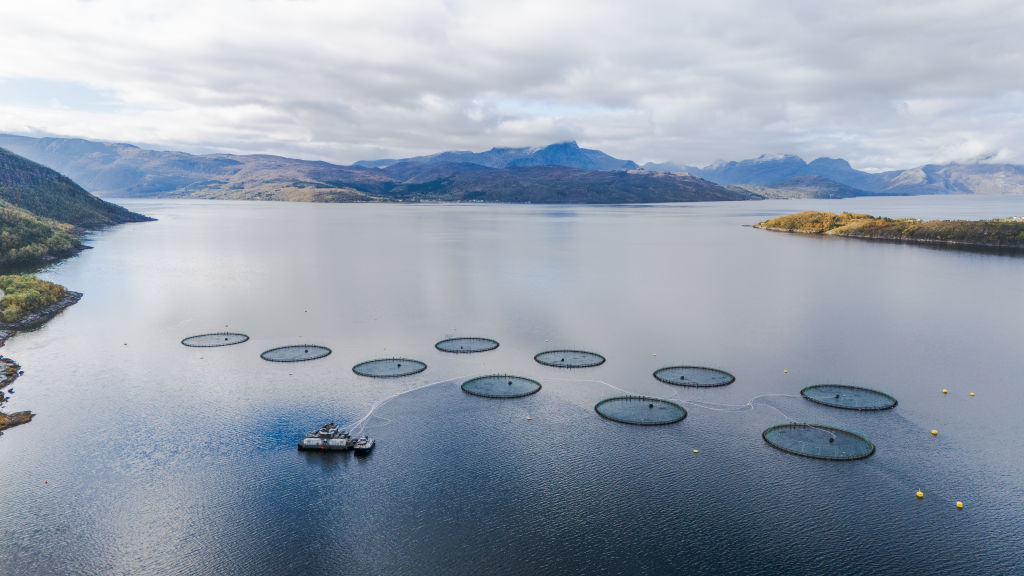
New research suggests that farmed salmon may not be as nutritious as it once was. This change in nutritional value is linked to a shift in the fish's diet, which has significant downstream impacts on the environment and climate. As consumer demand for salmon has increased, particularly for its fatty acids, the production of farmed salmon has risen dramatically. Currently, nearly 70 percent of the salmon consumed globally is farmed, raised in pens and cages. The dietary advice to eat more fatty fish has influenced how the world consumes salmon, leading to higher levels of production to meet this demand. The shift in the diet of farmed salmon is a response to this increased consumption, but it raises concerns about the nutritional quality of the fish. The implications of these dietary changes extend beyond human health, affecting environmental sustainability and climate change. As the aquaculture industry adapts to meet consumer preferences, the nutritional profile of farmed salmon may be compromised. This situation highlights the complex relationship between consumer behavior, food production practices, and environmental consequences. The research underscores the need for a deeper understanding of how changes in fish diets can impact both the health of consumers and the health of ecosystems.
Advertisement
Lindy Score Breakdown (V4.2)
Score BreakdownRisk 50
Stories gain Lindy status through source reputation, network consensus, and time survival.
Breaking Similar stories