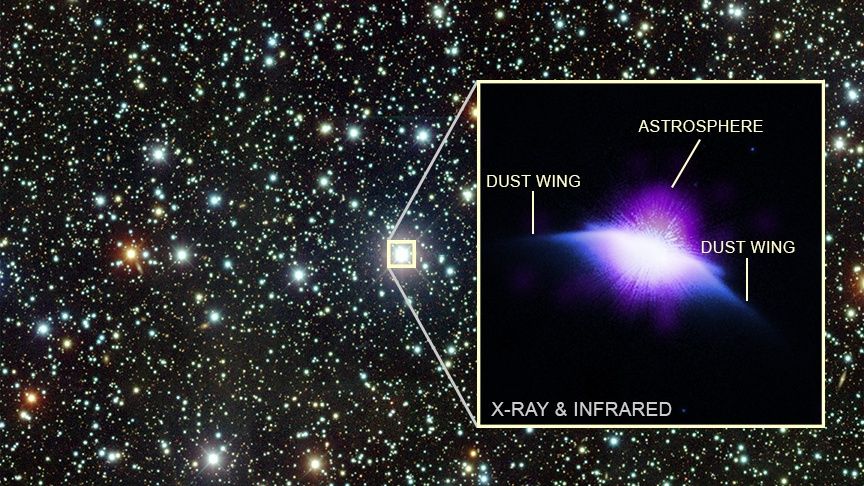
Young 'sun' caught blowing bubbles by Chandra
Phys.org • 2/23/2026
Summary
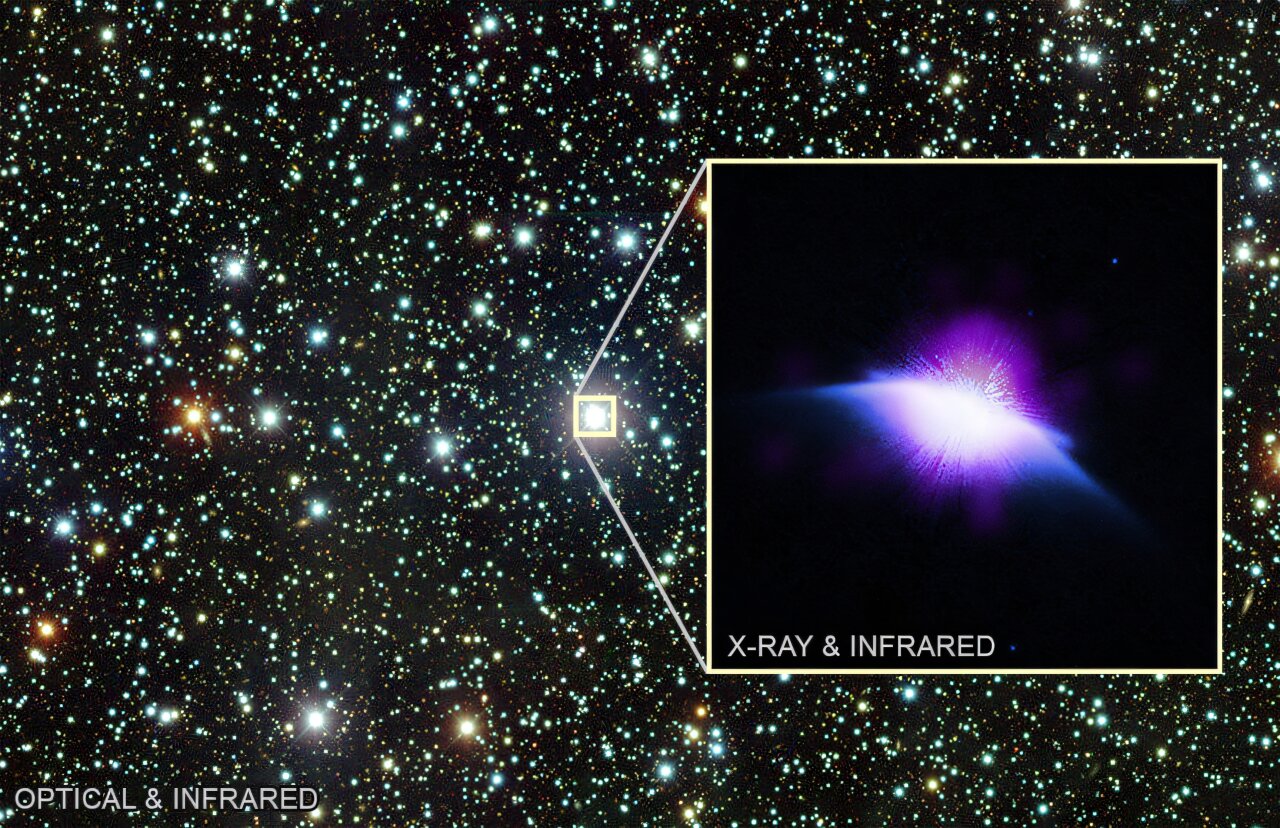
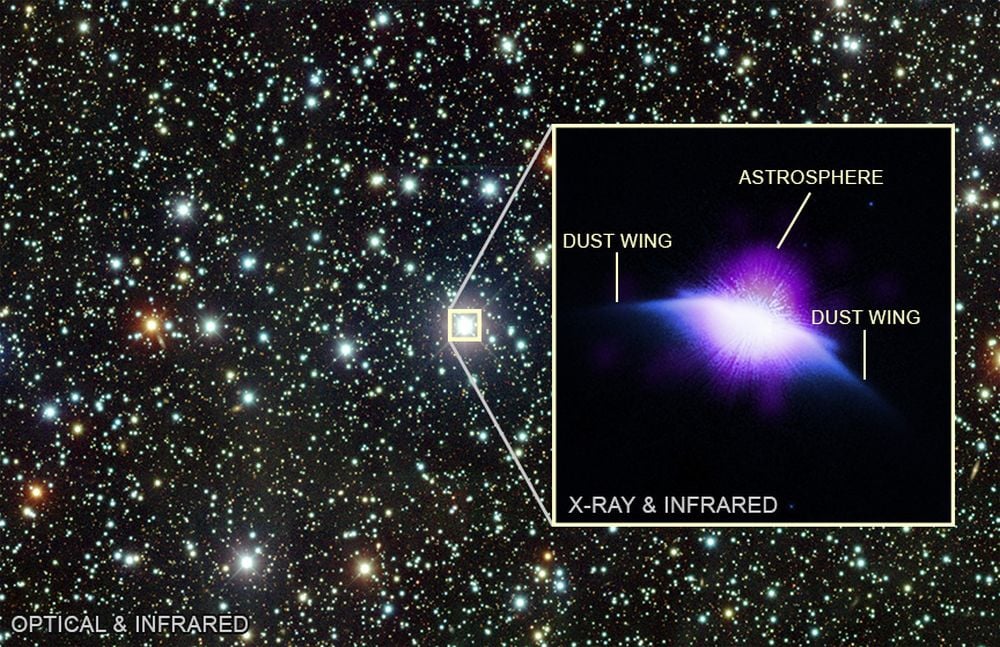
Astronomers using NASA's Chandra X-ray Observatory have made a significant discovery by observing a much younger version of the Sun blowing bubbles in the galaxy. This phenomenon involves a bubble known as an "astrosphere," which completely surrounds the juvenile star. The winds generated from the star's surface are responsible for inflating this bubble, filling it with hot gas as it expands into the cooler galactic gas and dust that surrounds the star. The astrosphere is a crucial feature that mirrors a similar structure around our own Sun, referred to as the heliosphere. The heliosphere is created by the solar wind, which extends far beyond the planets in our solar system. It serves an essential protective function for Earth by shielding it from harmful particles originating from interstellar space. This observation marks the first time that such a young star has been seen exhibiting this behavior, providing valuable insights into stellar development and the dynamics of stellar winds. The findings contribute to our understanding of how stars interact with their surrounding environments and the processes that shape their evolution over time. The discovery of the astrosphere around the juvenile star underscores the importance of advanced observational tools like the Chandra X-ray Observatory in studying celestial phenomena. This research not only enhances our knowledge of stellar behavior but also offers a comparative perspective on the Sun's own protective bubble and its role in safeguarding life on Earth.
Advertisement
Cluster Activity
Lindy Score Breakdown (V4.2)
Story Timeline
- 2026-02-23Young 'sun' caught blowing bubbles by Chandra (current)
- 2026-02-24
- 2026-02-25
Score BreakdownRisk 25
Stories gain Lindy status through source reputation, network consensus, and time survival.
Same Story from 6 sources



Breaking Similar stories



Anti-Lindy Similar stories