UAE leaves OPEC in blow to oil cartel amid war on Iran
Al Jazeera • 4/28/2026

Summary
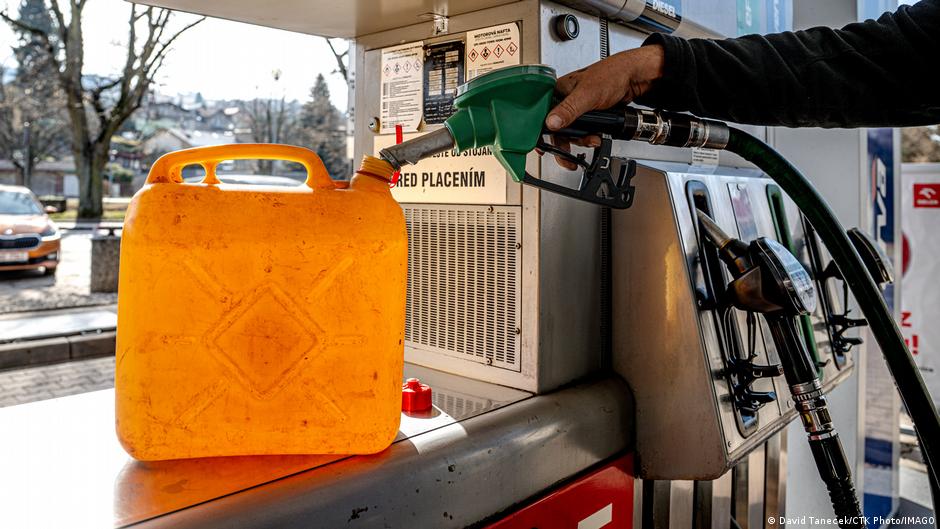
The United Arab Emirates (UAE) has announced its withdrawal from the Organization of the Petroleum Exporting Countries (OPEC) and the OPEC+ alliance, effective May 1. This decision marks a significant shift in the UAE's energy policy and is described as a blow to the unity of the oil cartel. The UAE's Ministry of Infrastructure stated that the move follows a "comprehensive review" of the country's production policy and capacity, emphasizing a focus on national interests and a commitment to meet global market demands (South China Morning Post). The announcement comes amid ongoing turmoil in the energy sector, exacerbated by the conflict with Iran, which has led to rising energy prices and a historic energy shock that is impacting the global economy. The UAE's exit from OPEC is seen as a response to dissatisfaction with fellow Arab states regarding their efforts to protect the UAE from Iranian attacks during the war (Deutsche Welle, The Hindu). In its statement, the UAE highlighted that the decision is aimed at allowing the country greater control over its production strategy, reflecting its priorities in the current geopolitical climate (France24). The withdrawal from OPEC and OPEC+ signifies a pivotal moment for the UAE as it seeks to navigate the complexities of the global oil market while prioritizing its national interests (Reuters).
Advertisement
Lindy Score Breakdown (V4.2)
Story Timeline
- 2026-04-28UAE leaves OPEC in blow to oil cartel amid war on Iran (current)
Score BreakdownRisk 30
Stories gain Lindy status through source reputation, network consensus, and time survival.
Same Story from 11 sources



Breaking Similar stories


Anti-Lindy Similar stories