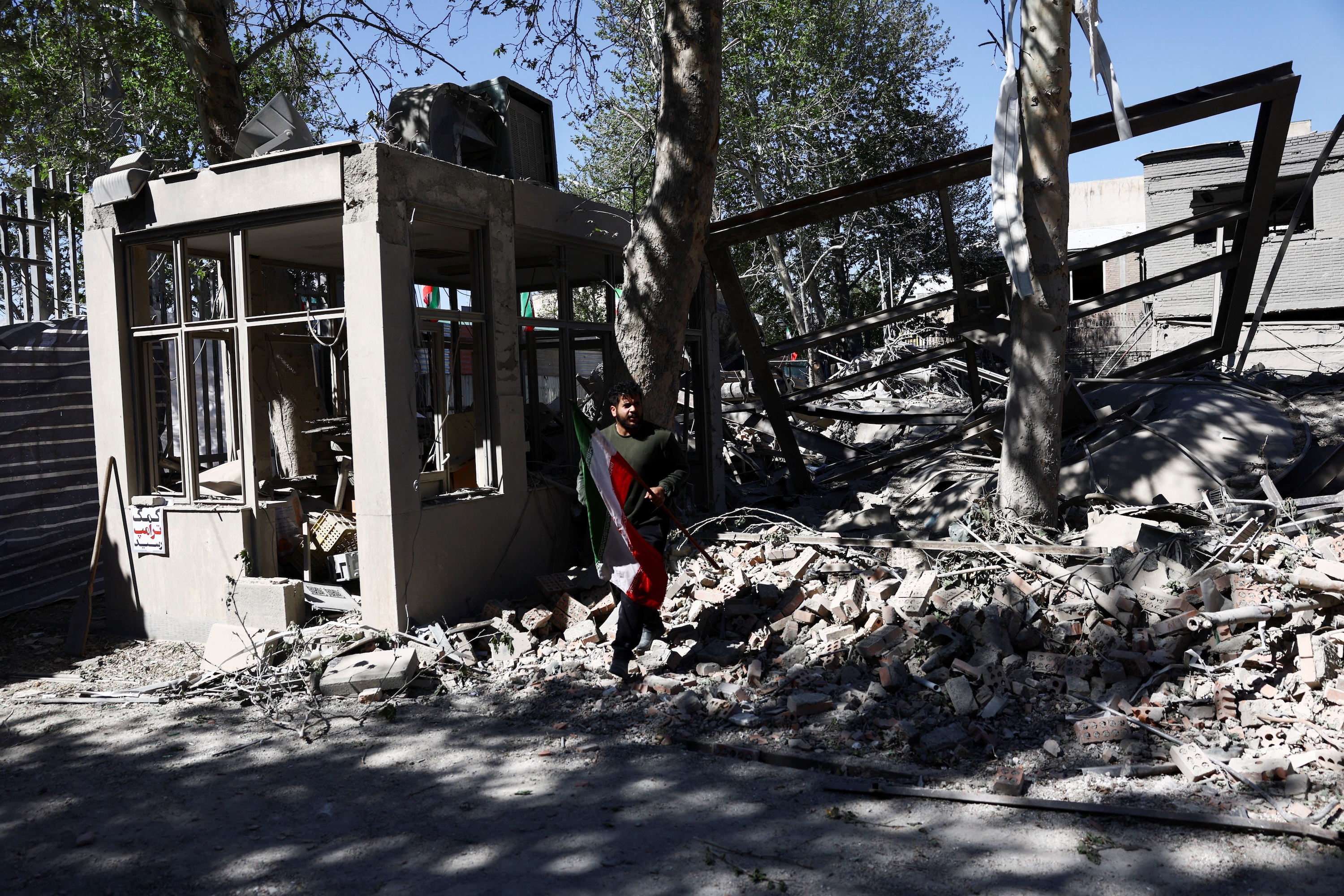
Vessels report being hit by gunfire as Iran says Strait of Hormuz shut again
Defense News • 4/17/2026 – 4/18/2026

Summary
Merchant vessels attempting to cross the Strait of Hormuz on Saturday received radio messages from Iran's navy stating that they were not allowed to pass, indicating that the strait has been shut again. This closure follows a brief reopening that occurred just hours earlier. The Islamic Revolutionary Guard Corps (IRGC) announced the re-closure, which is seen as a tactic by Iran to gain leverage over the United States amid ongoing negotiations. Analysts suggest that this maneuver is intended to exert pressure on the U.S. as the deadline approaches for a potential deal, coinciding with the end of a two-week ceasefire with the U.S. on Wednesday. The situation escalated after President Donald Trump stated that the U.S. would maintain a naval blockade on Iranian ports until a final agreement is reached. Iran has accused the U.S. of violating the ceasefire agreement by enforcing this blockade. The Iranian government has also denied claims that it agreed to transfer its enriched uranium abroad, further complicating the diplomatic landscape. The blockade was initially imposed in response to Iran's effective closure of the Strait of Hormuz, which had been lifted following a U.S.-brokered ceasefire. French President Emmanuel Macron welcomed the reopening of the Strait of Hormuz and the ceasefire in Lebanon, reflecting international concern over the stability of this crucial maritime route. However, the renewed closure by Iran underscores the ongoing tensions in the region and the complexities of U.S.-Iran relations. As the situation develops, the implications for global shipping and regional security remain significant.
Advertisement
Cluster Activity
Lindy Score Breakdown (V4.2)
Story Timeline
- 2026-04-17
- 2026-04-18Vessels report being hit by gunfire as Iran says Strait of Hormuz shut again (current)
Score BreakdownRisk 45
Stories gain Lindy status through source reputation, network consensus, and time survival.
Same Story from 11 sources





Breaking Similar stories




Anti-Lindy Similar stories