Zelenskyy says ‘no rules broken’ after Olympics bans Ukraine racer
Al Jazeera • 2/10/2026 – 2/12/2026

Summary
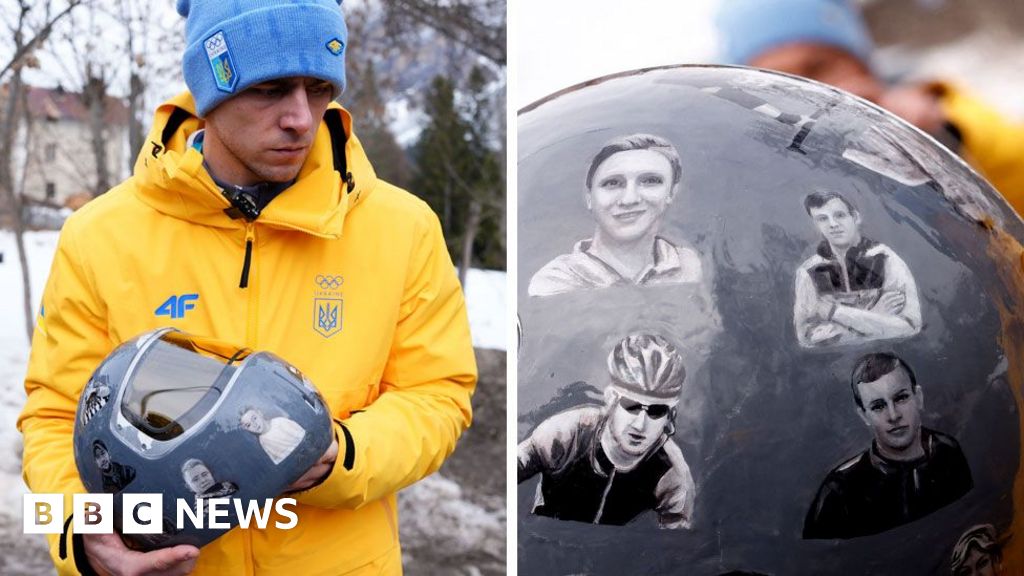
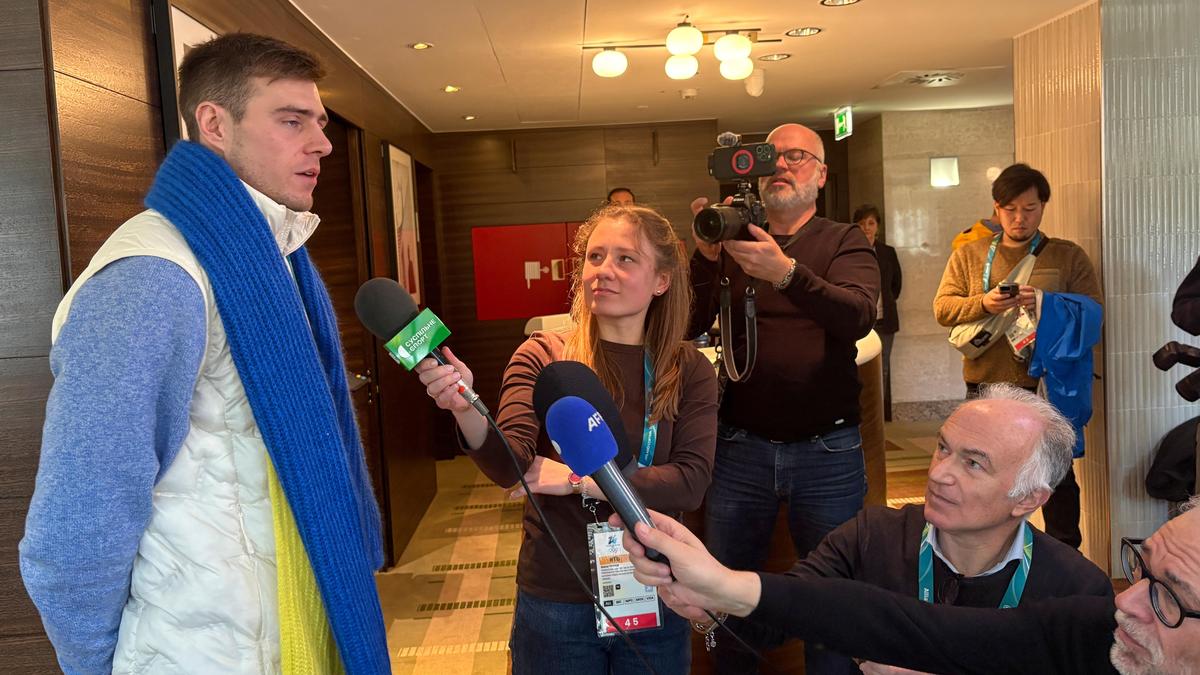
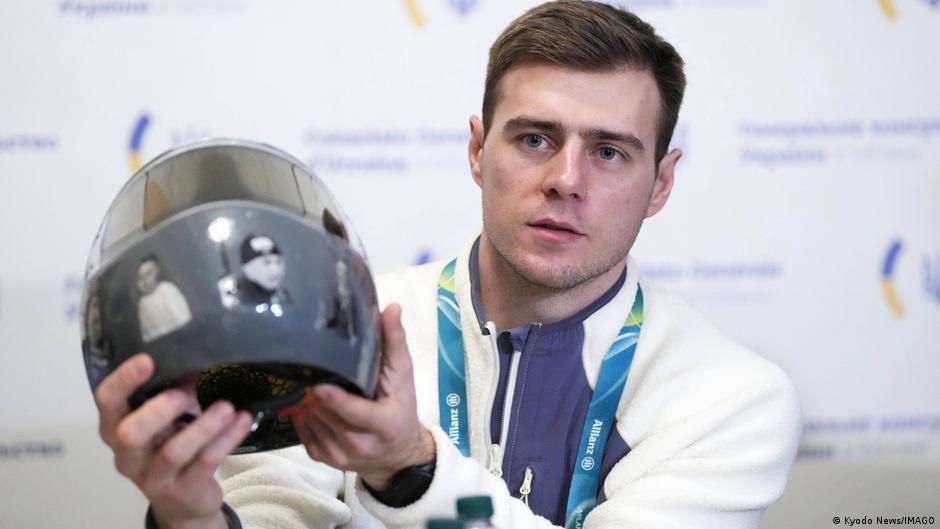
Ukrainian skeleton racer Vladyslav Heraskevych has been disqualified from competing in the Milano-Cortina 2026 Winter Olympics due to a violation of International Olympic Committee (IOC) rules regarding political messages. His helmet, which features images of athletes who have been killed since Russia's invasion of Ukraine, was deemed non-compliant with the regulations that prohibit political expressions during competition. The Court of Arbitration for Sport (CAS) upheld this ruling after dismissing Heraskevych's appeal, stating that the IOC's neutrality rules “reasonably balance” athletes’ freedom of expression with the need to maintain neutrality in the Games (Variety). Despite the disqualification, IOC President Kirsty Coventry intervened, allowing Heraskevych to remain at the Games, although he is still barred from wearing the helmet during competition (France24). The helmet, referred to as a "helmet of remembrance," serves as a tribute to fellow athletes who have lost their lives due to the ongoing conflict in Ukraine (Deutsche Welle, BBC). Ukrainian President Volodymyr Zelenskyy has publicly defended Heraskevych's right to wear the helmet, emphasizing its significance as a memorial for the victims of the war (The Hindu). The controversy surrounding Heraskevych's helmet raises questions about the intersection of sports and political expression, particularly in the context of the ongoing war in Ukraine. The IOC's decision reflects its commitment to maintaining a politically neutral environment during the Olympics, while also highlighting the challenges faced by athletes who wish to honor their fallen compatriots (Variety, France24).
Advertisement
Cluster Activity
Lindy Score Breakdown (V4.2)
Story Timeline
- 2026-02-10
- 2026-02-11
- 2026-02-12Zelenskyy says ‘no rules broken’ after Olympics bans Ukraine racer (current)
- 2026-02-13
- 2026-02-14
AnalysisRisk 10
Same Story from 11 sources





Breaking Similar stories





Anti-Lindy Similar stories