FDA reverses course, agrees to review Moderna’s flu vaccine - statnews.com
Stat News • 2/12/2026 – 2/19/2026
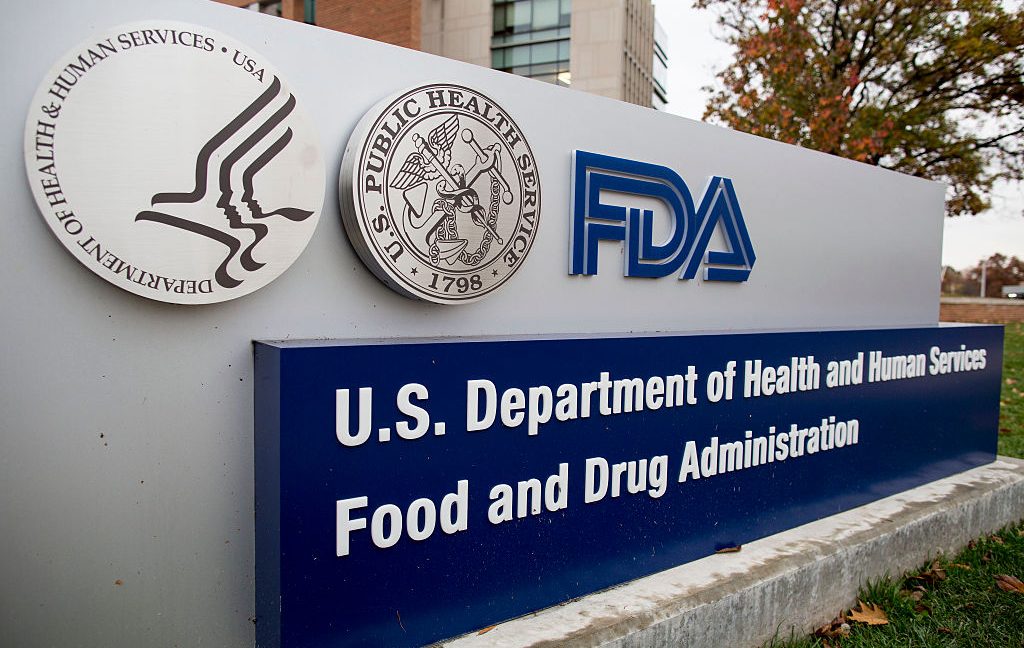
Summary
The FDA has reversed its earlier decision and will now review Moderna's mRNA-based flu vaccine, which it had previously declined. This announcement was made by Moderna on Wednesday and has been characterized as a "surprise rejection." Experts have expressed concerns regarding the implications of this reversal for the vaccine industry, noting that the FDA's actions may create a "destructive precedent" that could undermine future vaccine development in the U.S. The situation reflects broader issues within the FDA, which has faced criticism for its handling of vaccine approvals. Moderna has expressed optimism that its new flu shot could be available this year following the FDA's decision to review the vaccine. The reversal is viewed as a positive development for drugmakers and vaccine developers, although it highlights ongoing chaos within the agency. The FDA's decision has been described as moving the goalposts on Moderna, leading to uncertainty for other vaccine developers. This situation underscores the complexities and challenges faced by the FDA in balancing safety, efficacy, and the need for timely vaccine availability. The implications of the FDA's reversal extend beyond Moderna, as it may affect the confidence of other pharmaceutical companies in the regulatory process. The decision to review the flu vaccine is significant in the context of ongoing discussions about vaccine innovation and regulatory standards in the U.S. Experts have noted that the FDA's actions may lead to broader ramifications for the vaccine industry, emphasizing the need for clarity and consistency in regulatory practices. Overall, the FDA's decision to review Moderna's flu vaccine has sparked discussions about the agency's operational challenges and the potential impact on future vaccine development. The situation illustrates the ongoing complexities within the FDA and raises questions about the regulatory environment for vaccine innovation in the United States.
Advertisement
Cluster Activity
Lindy Score Breakdown (V4.2)
Story Timeline
- 2026-02-12
- 2026-02-18FDA reverses course, agrees to review Moderna’s flu vaccine - statnews.com (current)
- 2026-02-19
Score BreakdownRisk 25
Stories gain Lindy status through source reputation, network consensus, and time survival.
Same Story from 11 sources




Breaking Similar stories