‘Dangerous and scary’: how a US special forces vet helped María Corina Machado flee Venezuela
The Guardian • 12/10/2025 – 12/14/2025

Summary
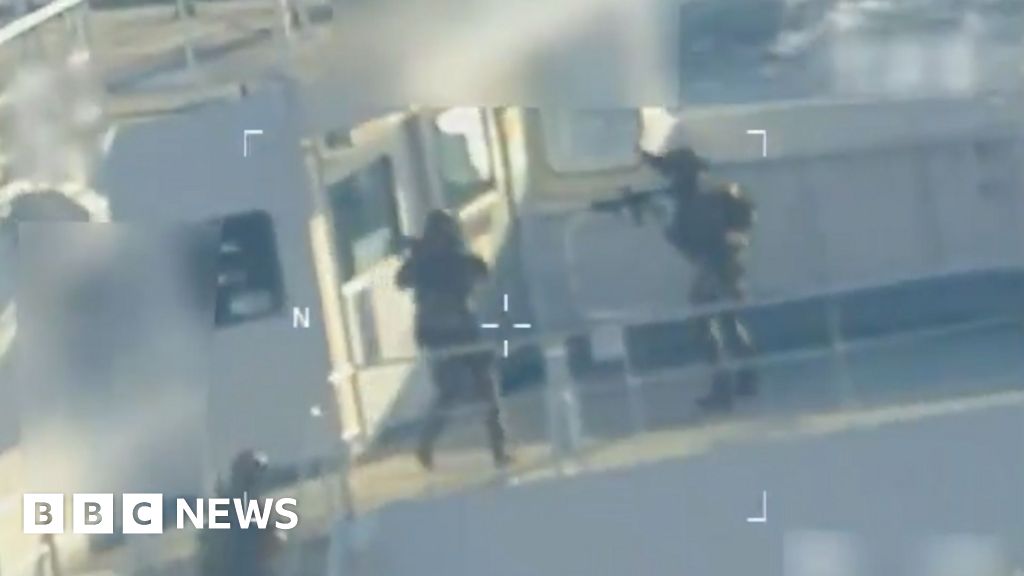
María Corina Machado, a Venezuelan opposition leader, successfully fled Venezuela with the assistance of Bryan Stern, a U.S. special forces veteran who leads a nonprofit rescue organization. Stern described the escape as a long and hazardous sea crossing conducted at night without lights, emphasizing the danger involved in the operation. Machado emerged in Norway following her escape, which coincided with the Nobel Peace Prize ceremony (PRIMARY SOURCE). In a separate but related development, the U.S. government seized an oil tanker off the coast of Venezuela, which was reportedly involved in transporting sanctioned oil from Venezuela and Iran. U.S. Attorney General Pam Bondi confirmed the tanker’s role in this illicit trade and shared footage of the seizure. This action has been characterized as a significant escalation in the U.S. pressure campaign against Nicolás Maduro's government, which has faced increasing calls for resignation from various international actors, including Machado (BBC, The Guardian). The U.S. plans to move the seized tanker to a U.S. port, where the oil onboard will be confiscated. Caracas condemned this move as an act of "international piracy." Additionally, the U.S. has imposed sanctions on six more ships connected to this operation, further tightening economic pressure on the Maduro administration. Venezuela's economy is heavily reliant on oil revenues, making these actions particularly impactful (The New York Times, BBC). In response to the U.S. seizure, Russian President Vladimir Putin reaffirmed his support for Maduro, highlighting the complex geopolitical dynamics surrounding Venezuela. This support comes amid escalating diplomatic pressure from the U.S. and other nations for Maduro to step down, indicating ongoing tensions between the U.S. and Venezuela, as well as the involvement of international actors like Russia in the region's political landscape (The Guardian, BBC).
Advertisement
Cluster Activity
Lindy Score Breakdown (V4.2)
Story Timeline
- 2025-12-10
- 2025-12-11
- 2025-12-12‘Dangerous and scary’: how a US special forces vet helped María Corina Machado flee Venezuela (current)
AnalysisRisk 20
Same Story from 6 sources




Breaking Similar stories







Anti-Lindy Similar stories