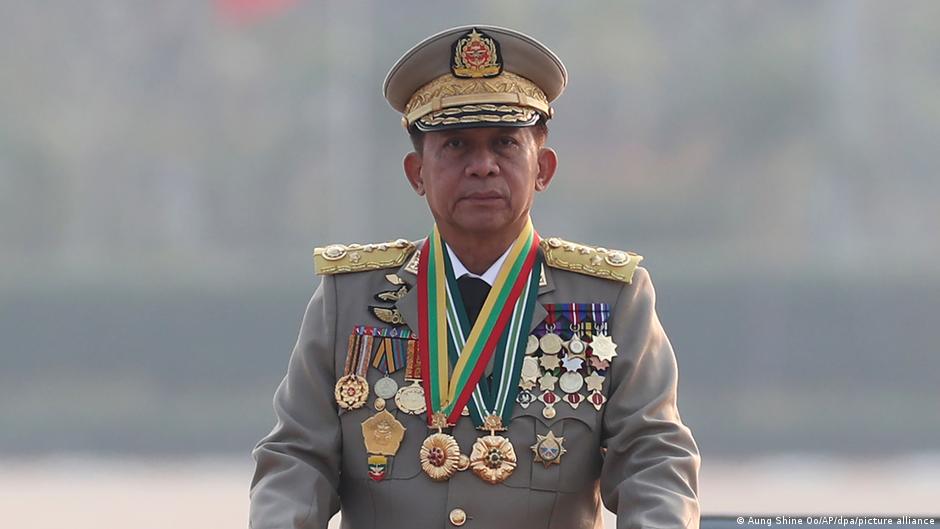
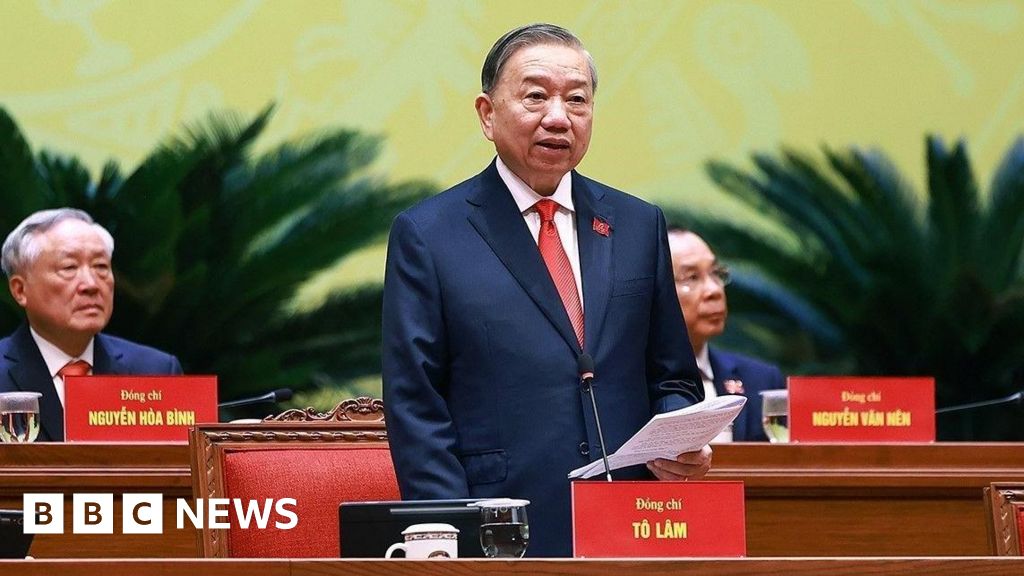
Vietnam’s Leader Consolidates Power, Pledging ‘New Era of Prosperity’
The New York Times • 1/23/2026 – 1/26/2026
Summary
To Lam, the leader of Vietnam's Communist Party, has assumed the role of president, marking a significant consolidation of power within the nation's political framework. This development occurred recently, highlighting a pivotal moment in Vietnam's governance as To Lam seeks to usher in a "new era of prosperity" for the country. This transition in leadership is noteworthy as it reflects ongoing trends in Vietnam's political landscape, where the Communist Party continues to maintain strict control while promoting economic growth. The concentration of power in To Lam's hands may lead to increased stability but also presents risks, particularly in balancing reform with the party's traditional authority. Historically, such consolidations have often been accompanied by both economic advancements and challenges related to governance and civil liberties. The implications of this leadership change extend beyond immediate political dynamics, as it underscores the broader context of Vietnam's efforts to navigate modernization while adhering to its communist roots. This duality of progress and control is a recurring theme in many nations undergoing similar transformations, making To Lam's presidency a significant case study in contemporary governance.
Advertisement
Lindy Score Breakdown (V4.2)
Story Timeline
- 2026-01-23Vietnam’s Leader Consolidates Power, Pledging ‘New Era of Prosperity’ (current)
AnalysisRisk 20
Same Story from 4 sources


Breaking Similar stories









Anti-Lindy Similar stories