Suicide Bombing Kills 31 at Mosque in Pakistan’s Capital
The New York Times • 2/6/2026

Summary
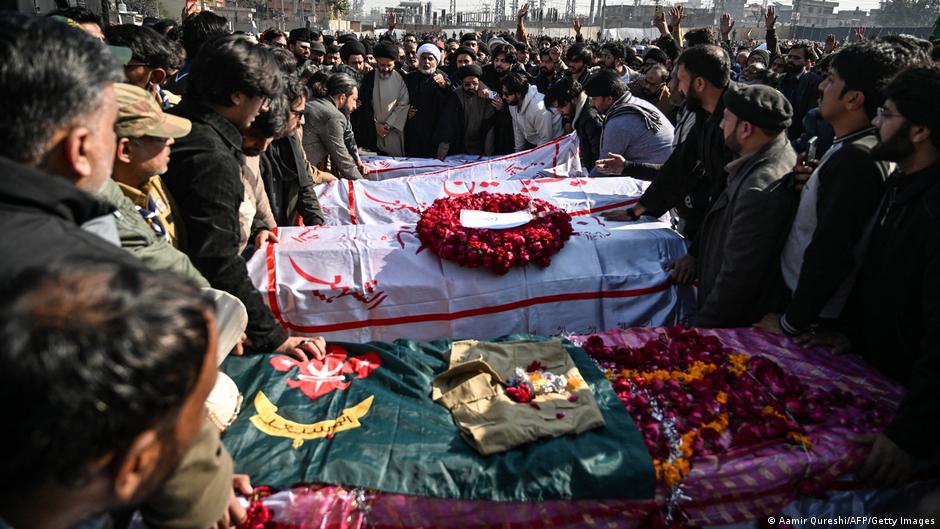
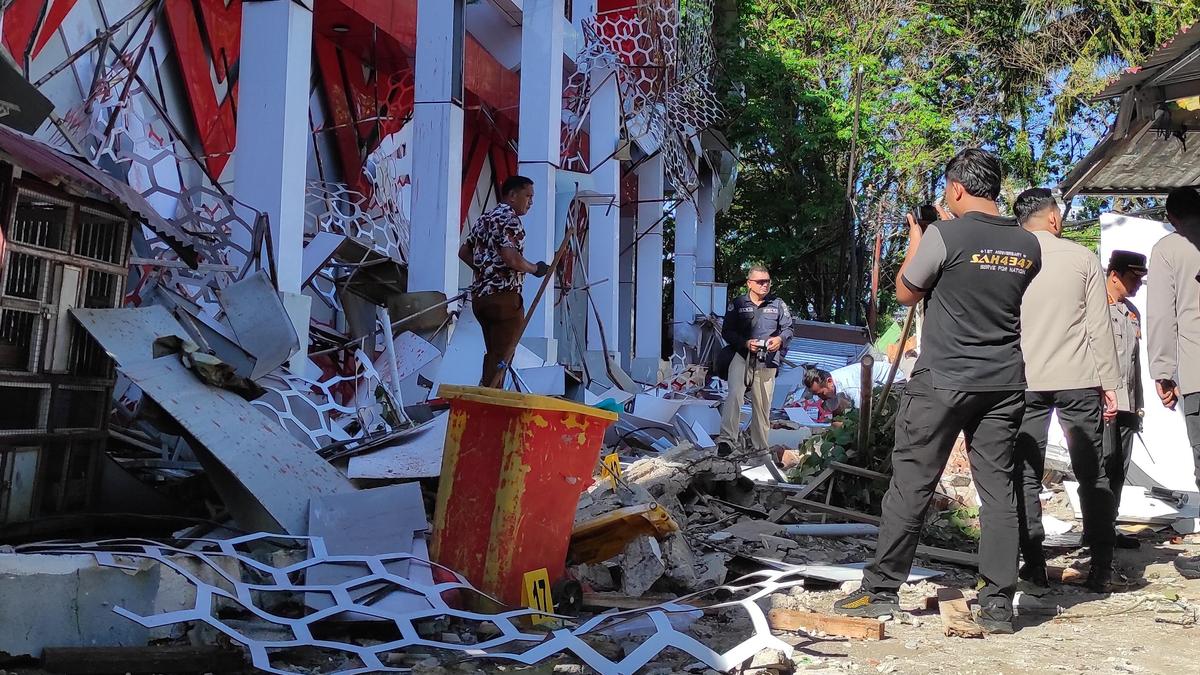
A suicide bombing at a Shiite mosque near Islamabad during Friday prayers resulted in the deaths of at least 31 people and left 169 others wounded. This incident marks one of the deadliest attacks in Pakistan's capital in nearly two decades, occurring at a time when large-scale violence had been relatively rare in Islamabad. The bombing took place as mosques across the country were filled with worshippers, highlighting the vulnerability of such gatherings to extremist violence. The Islamic State (IS) has claimed responsibility for the attack, which has raised concerns about the increasing frequency of militant activities targeting Shiite communities in Pakistan. The blast occurred during a time when the country is experiencing a surge in extremist violence, particularly against minority groups. Eyewitness accounts and police sources indicated that a suicide bomber was responsible for the explosion, which caused significant casualties among those attending the prayers. In the aftermath of the bombing, thousands of residents in Islamabad mourned the victims, expressing outrage over the failure of authorities to ensure adequate security measures. The attack has prompted investigations into the circumstances surrounding the bombing, as officials seek to understand how such a significant security breach occurred. The incident underscores the ongoing challenges Pakistan faces in combating militancy and ensuring the safety of its citizens, particularly in places of worship.
Advertisement
Cluster Activity
Lindy Score Breakdown (V4.2)
Story Timeline
- 2026-02-06Suicide Bombing Kills 31 at Mosque in Pakistan’s Capital (current)
- 2026-02-07
AnalysisRisk 10
Same Story from 11 sources


Breaking Similar stories





Anti-Lindy Similar stories