Iran War Live Updates: Uncertainty Surrounds U.S.-Iran Talks as Cease-Fire Nears End
The New York Times • 4/10/2026 – 4/21/2026
Summary
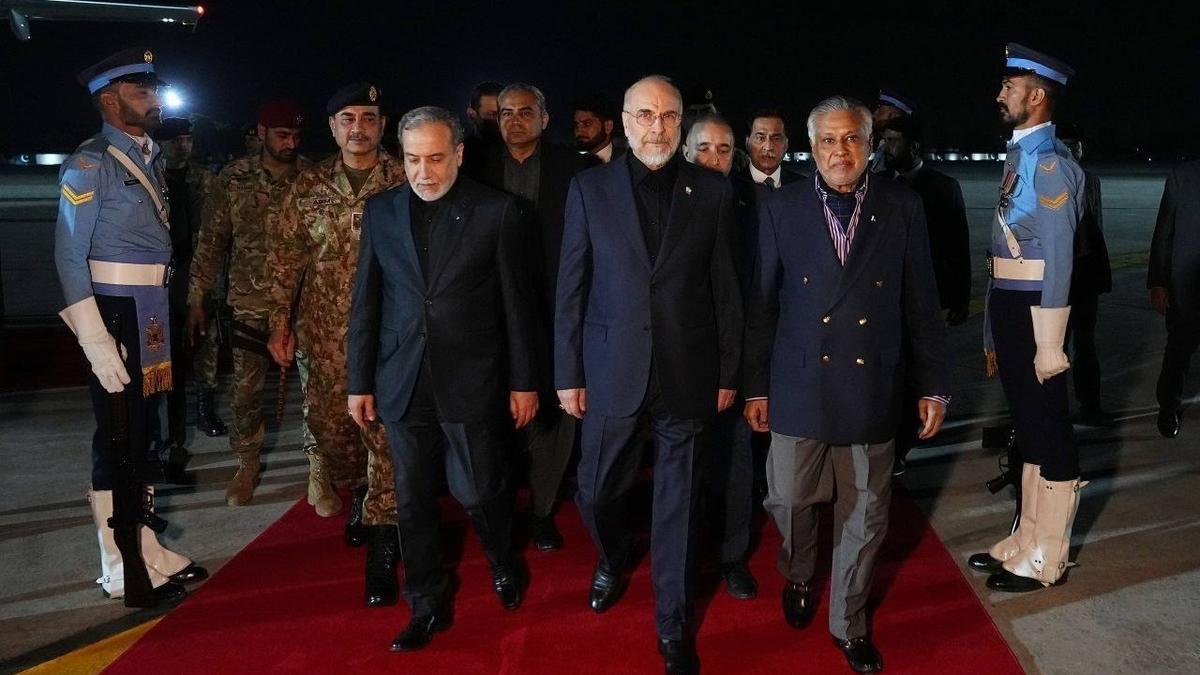
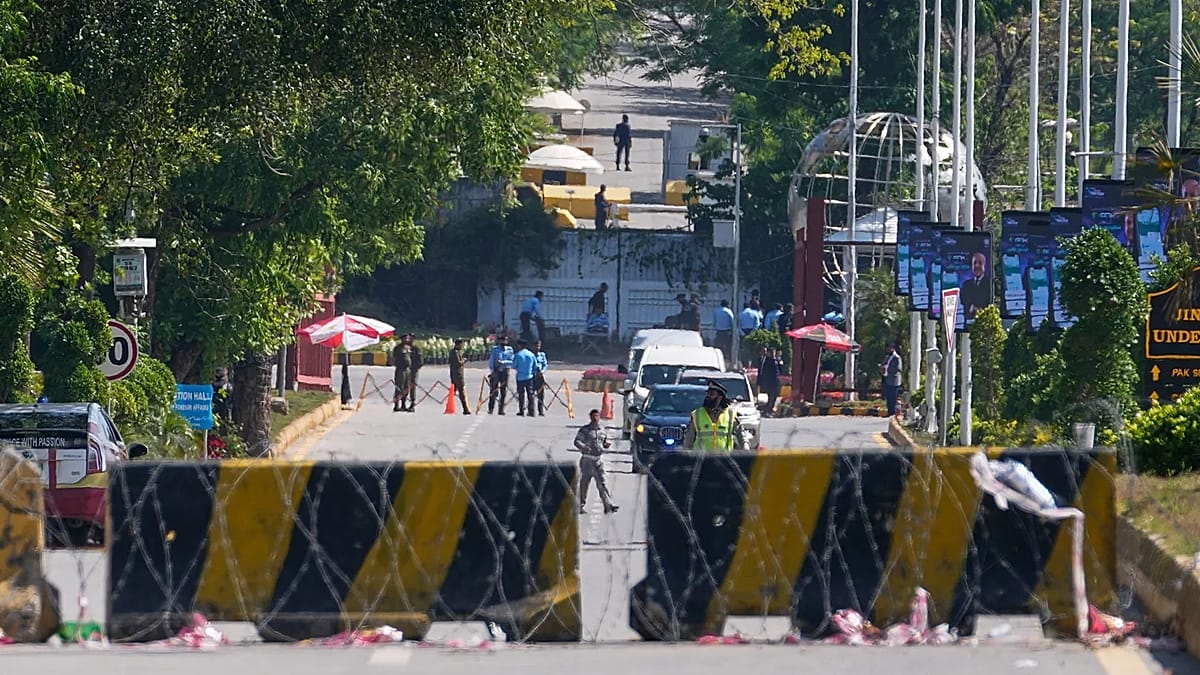
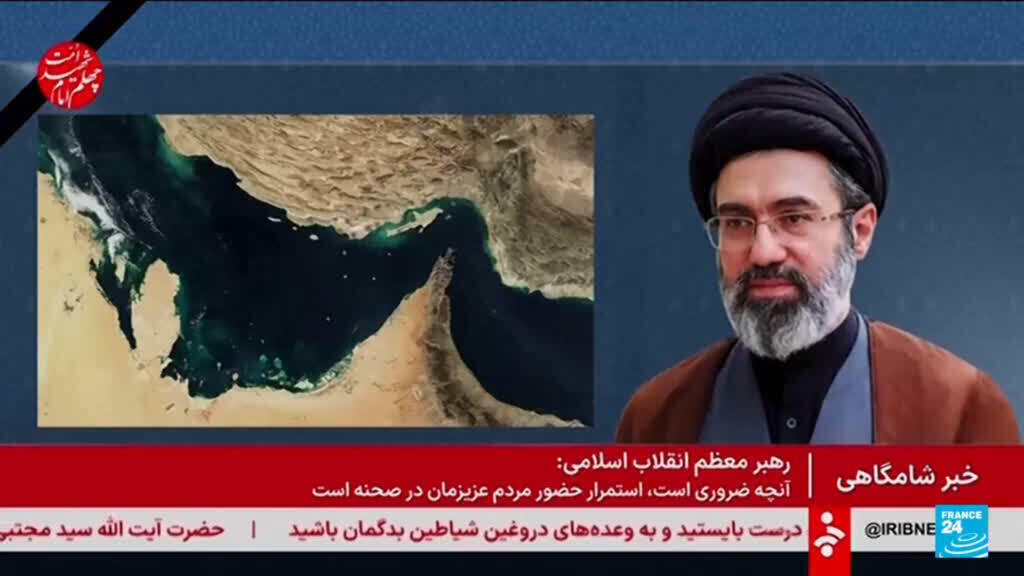
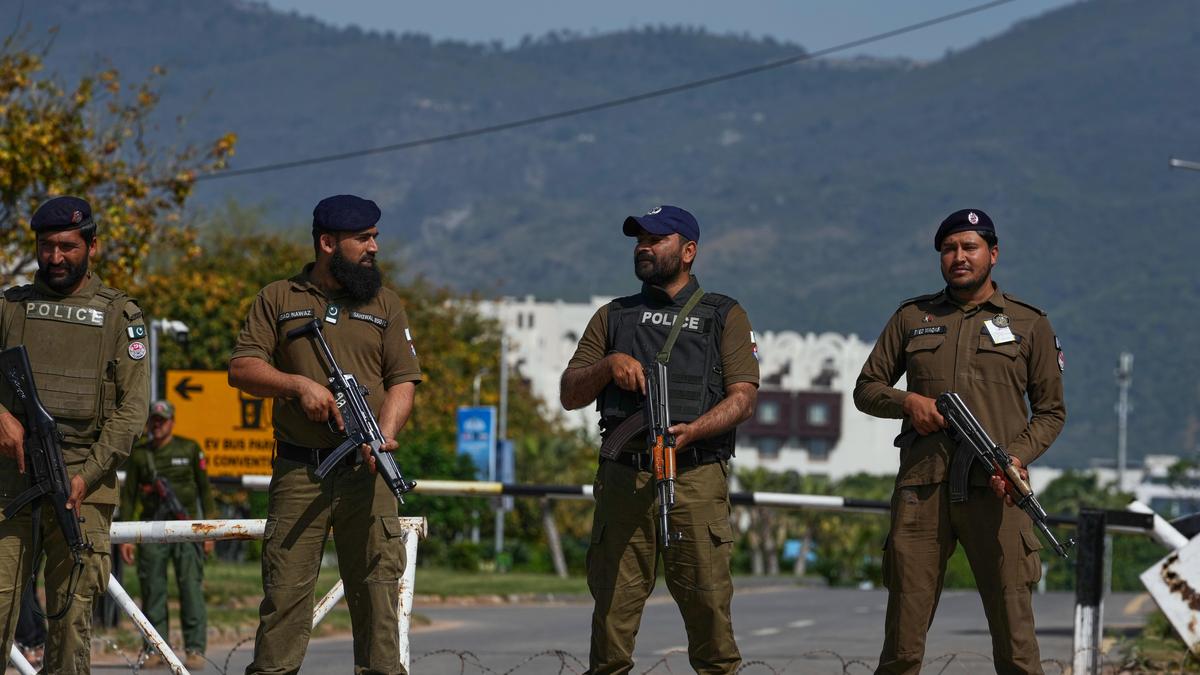
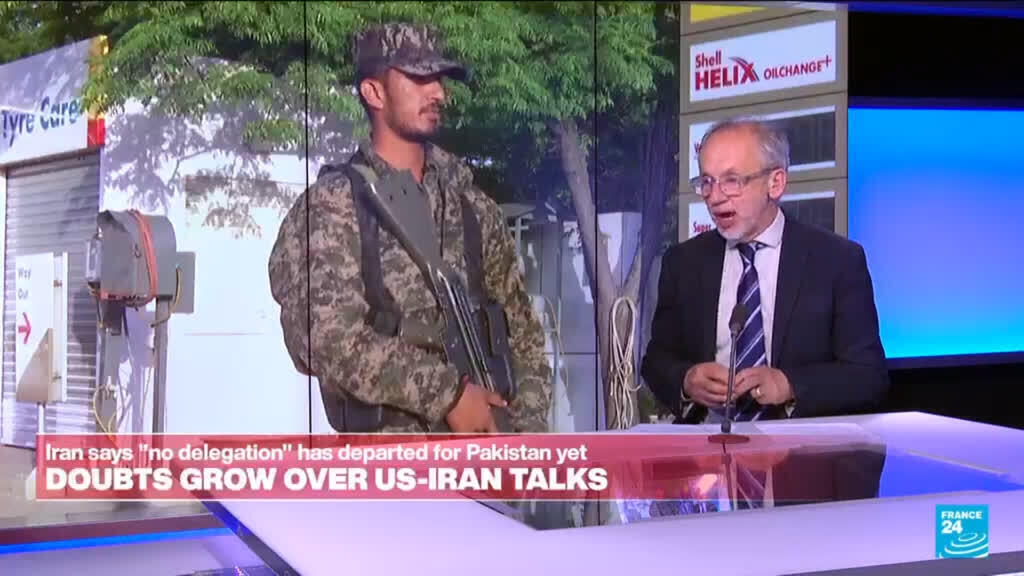
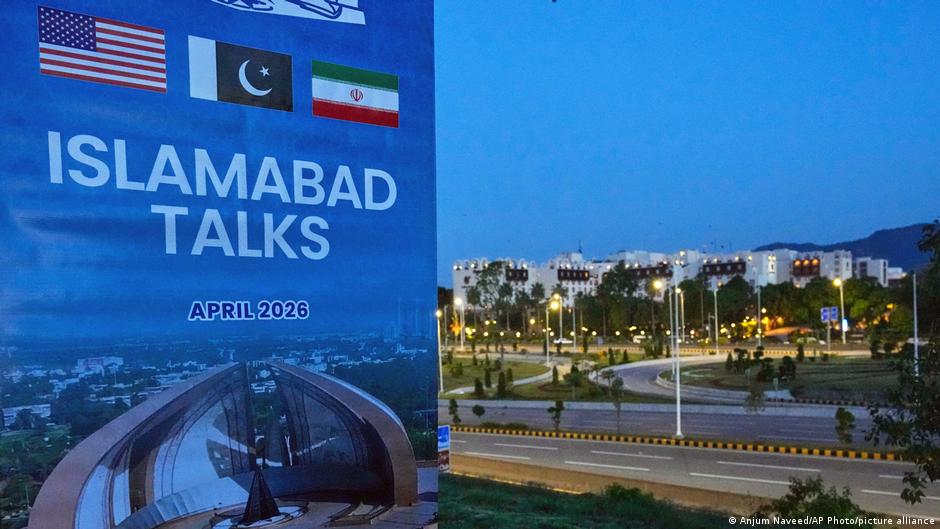
U.S. Vice President JD Vance recently faced significant challenges during his diplomatic efforts in Pakistan aimed at negotiating a deal with Iran to end ongoing hostilities. Following a lengthy 21-hour negotiation session, Vance announced that the U.S. and Iran did not reach an agreement, describing the outcome as "bad news" during a press conference in Islamabad. He had initially expressed optimism about the talks, indicating that progress had been made and stating that the ball was in Iran's court regarding the possibility of a second round of negotiations (South China Morning Post, France24). Despite Vance's hopeful outlook prior to the discussions, the Iranian delegation had not confirmed its attendance for the scheduled peace talks, raising doubts about the negotiations' viability. Reports indicated that while Vance was en route to Pakistan, Iranian state media suggested uncertainty surrounding the participation of their negotiators (France24, Deutsche Welle). The situation has been further complicated by ongoing threats exchanged between the U.S. and Iran, which adds to the tension surrounding the talks (Deutsche Welle). In addition to the failed negotiations with Iran, Vance encountered political setbacks related to Hungary's Viktor Orban, whose exit from power further complicated his diplomatic mission. The combination of these two defeats left Vance visibly exhausted as he concluded his trip, highlighting the complexities and challenges of U.S. foreign policy in the region (South China Morning Post). The outcome of these diplomatic efforts underscores the difficulties faced in achieving a ceasefire and resolving hostilities between the U.S. and Iran.
Advertisement
Cluster Activity
Lindy Score Breakdown (V4.2)
Story Timeline
- 2026-04-10
- 2026-04-11
- 2026-04-12
- 2026-04-13
- 2026-04-14
- 2026-04-19
- 2026-04-20
- 2026-04-21Iran War Live Updates: Uncertainty Surrounds U.S.-Iran Talks as Cease-Fire Nears End (current)
Score BreakdownRisk 30
Stories gain Lindy status through source reputation, network consensus, and time survival.
Same Story from 11 sources




Breaking Similar stories



Anti-Lindy Similar stories