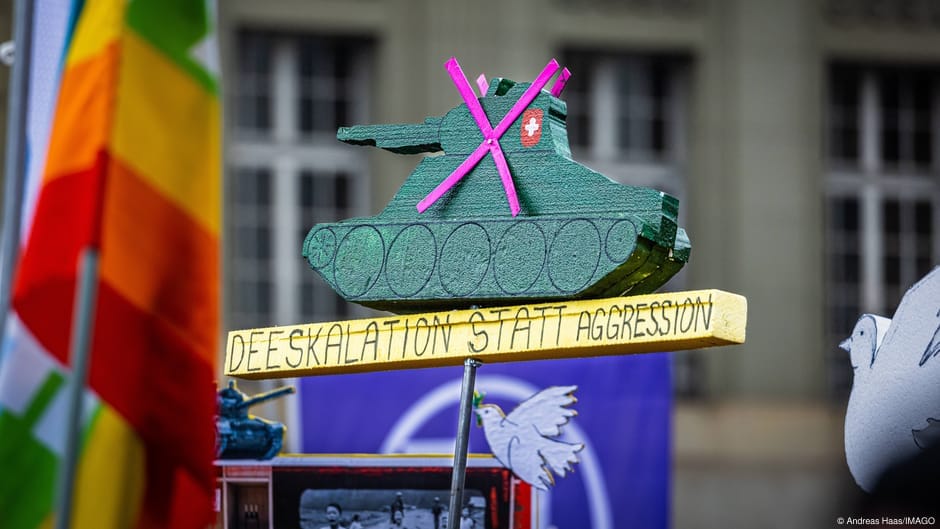
Switzerland: Voters reject stricter view of neutrality
Deutsche Welle • 9/27/2026
Summary
Swiss voters have rejected a referendum that sought to impose a stricter application of the country's longstanding policy of neutrality. Early projections indicate that the proposal did not gain sufficient support among the electorate. Swiss neutrality has been a fundamental principle enshrined in the constitution since 1848, reflecting the nation's commitment to remaining impartial in international conflicts. The referendum was aimed at determining whether there was a necessity for a more stringent interpretation of Switzerland's neutrality. This policy has historically allowed Switzerland to maintain a neutral stance during global conflicts, avoiding military alliances and interventions. The rejection of the referendum suggests that voters are satisfied with the current interpretation of neutrality and do not see a need for changes to this established principle. The debate surrounding the referendum highlighted the importance of neutrality in Swiss identity and governance. The outcome reflects the electorate's preference for maintaining the traditional approach to neutrality, which has been a cornerstone of Swiss foreign policy for over a century and a half. The decision not to adopt stricter rules indicates a collective choice to uphold the existing framework of neutrality as it has been practiced historically.
Advertisement
Lindy Score Breakdown (V4.2)
Score BreakdownRisk 50
Stories gain Lindy status through source reputation, network consensus, and time survival.
Breaking Similar stories