Live parrots were carried across the Andes before the Incas’ rise
Nature • 3/10/2026
Summary
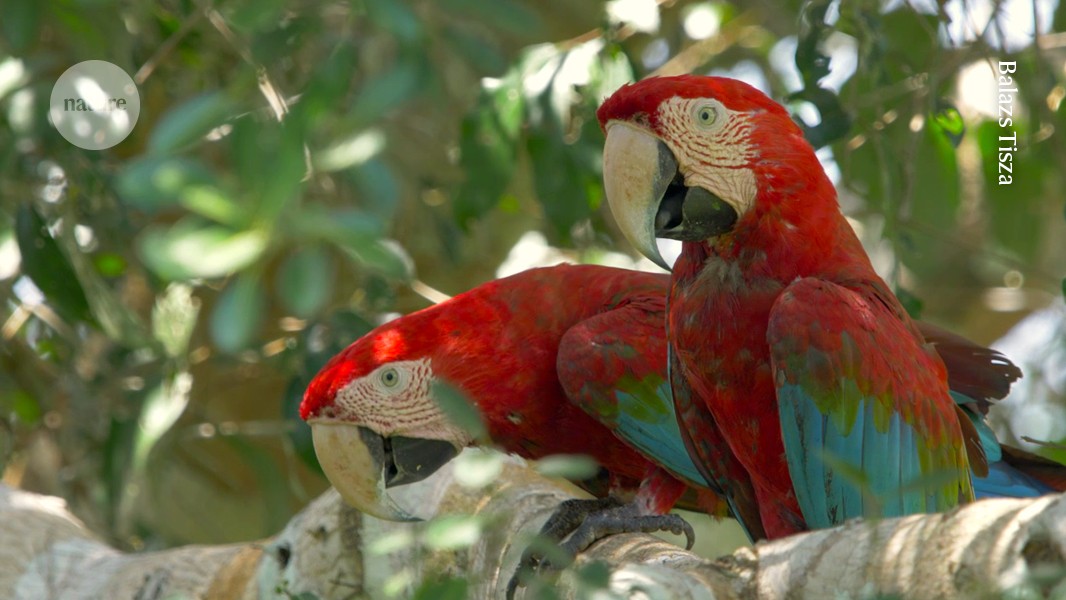
Ancient Peruvians engaged in the transportation of live parrots across the Andes Mountains prior to the rise of the Inca civilization. This practice involved moving these birds from their native habitats in the Amazon to higher altitudes. The transportation of live parrots was likely associated with various cultural and ceremonial purposes, indicating its significance in the social and political life of pre-Inca elites. The study reveals that the feathers of Amazonian macaws were utilized in the creation of elaborate headdresses worn by these elites. These headdresses served as symbols of status and power within the society. The vibrant feathers of the parrots highlight their importance not only as living creatures but also as valuable resources for artistic and ceremonial expression. This use of feathers underscores the cultural significance of parrots in pre-Inca societies. Furthermore, the findings contribute to our understanding of the complex interactions between different ecological zones in ancient Peru. The ability to transport live parrots across the challenging terrains of the Andes demonstrates the advanced logistical capabilities of these early societies. This practice reflects the broader cultural significance of parrots, emphasizing their role in rituals and elite identity. Overall, the transportation of live parrots across the Andes sheds light on the intricate relationships between humans and their environment in ancient Peru, revealing the cultural importance of these birds in the pre-Inca era.
Advertisement
Lindy Score Breakdown (V4.2)
Story Timeline
- 2026-03-10Live parrots were carried across the Andes before the Incas’ rise (current)
AnalysisRisk 20
Same Story from 2 sources

Breaking Similar stories








Anti-Lindy Similar stories