Olympians toe line between solidarity and sacrifice. Ukrainian banned over helmet the latest example
AP News • 2/10/2026 – 2/13/2026

Summary
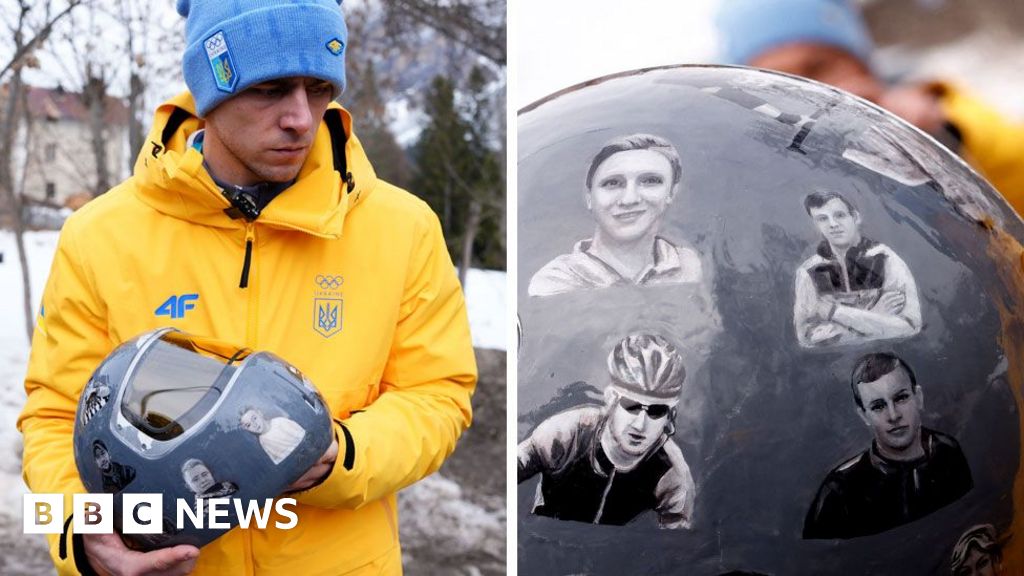
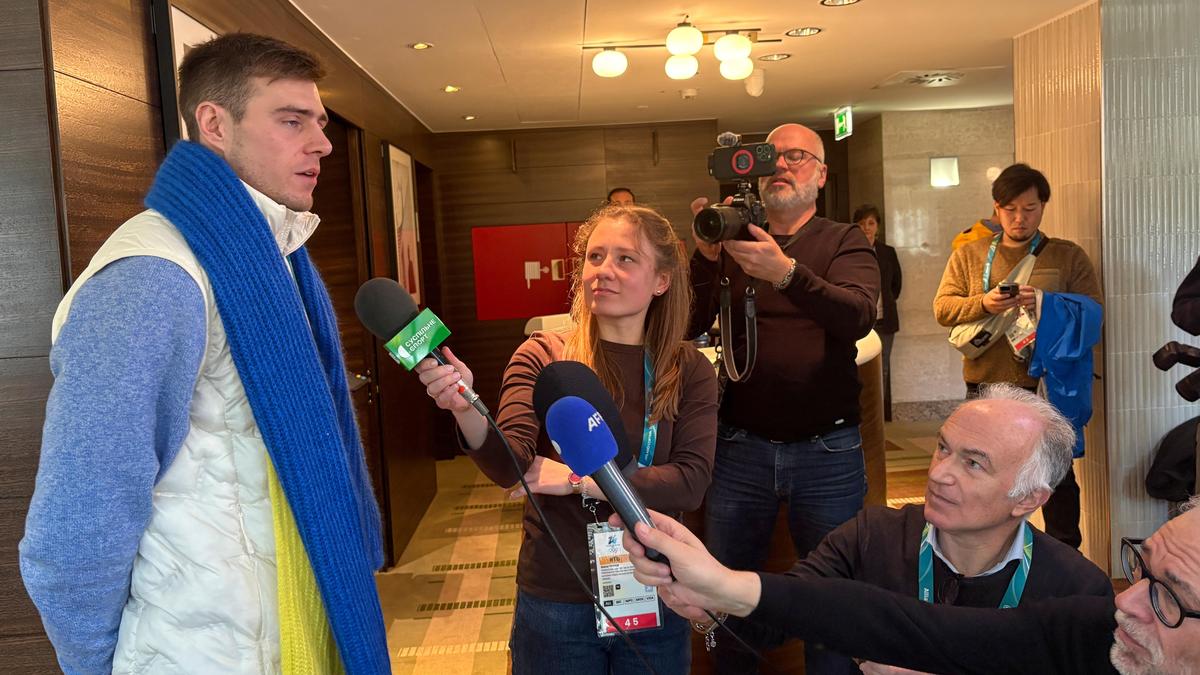
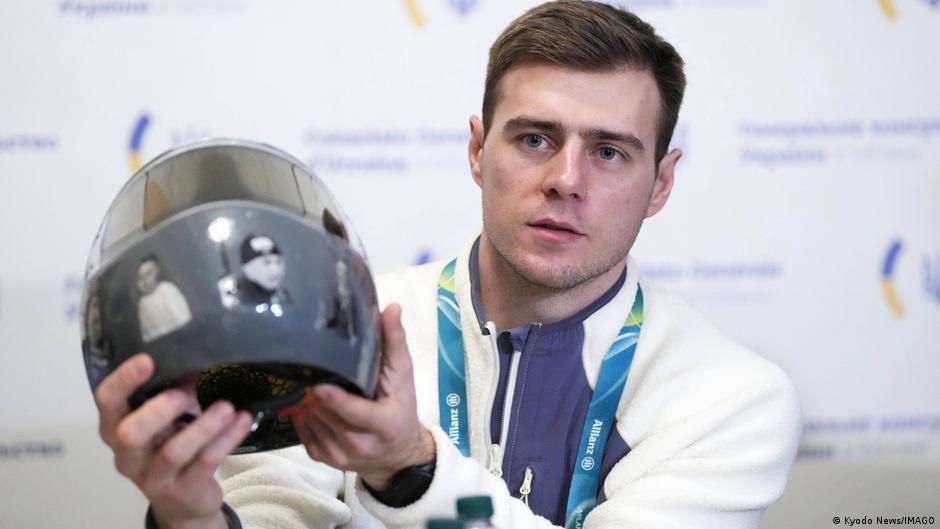
Ukrainian skeleton racer Vladyslav Heraskevych has been disqualified from the Olympics due to the International Olympic Committee's (IOC) decision to ban his helmet, which features portraits of Ukrainian athletes who have died since Russia's full-scale invasion of Ukraine. The IOC rejected Ukraine's request to allow Heraskevych to wear the helmet, which was intended as a tribute to those lost in the conflict. This incident highlights the ongoing tension between expressions of solidarity and adherence to Olympic rules. The IOC's ruling has sparked discussions about the political implications of Heraskevych's helmet, which has been described as a "helmet of remembrance." The organization maintains strict regulations regarding the use of symbols and messages during the Olympic Games, which they argue are designed to keep the focus on sport rather than political statements. Heraskevych expressed disbelief over the disqualification, stating, "I don't believe we violated the rules," indicating his view that the helmet was a personal tribute rather than a political statement. This situation is part of a broader context where athletes are navigating the fine line between expressing solidarity with their countries and adhering to the regulations set forth by the IOC. The decision has drawn attention to the challenges faced by athletes from nations affected by conflict, as they seek to honor their fallen compatriots while participating in international competitions.
Advertisement
Cluster Activity
Lindy Score Breakdown (V4.2)
Story Timeline
- 2026-02-10
- 2026-02-11
- 2026-02-12Olympians toe line between solidarity and sacrifice. Ukrainian banned over helmet the latest example (current)
- 2026-02-13
- 2026-02-14
AnalysisRisk 10
Same Story from 11 sources



Breaking Similar stories




Anti-Lindy Similar stories