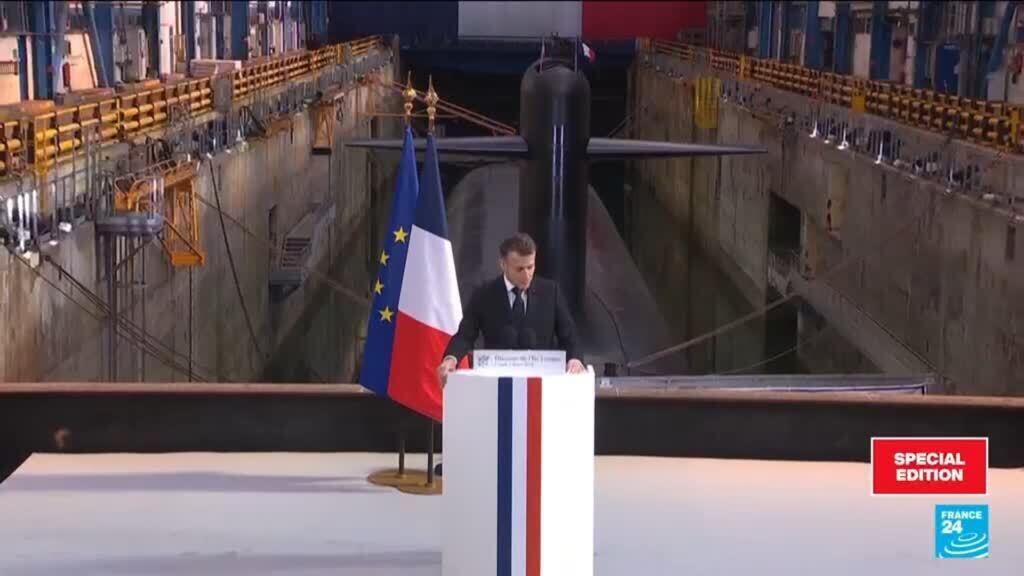
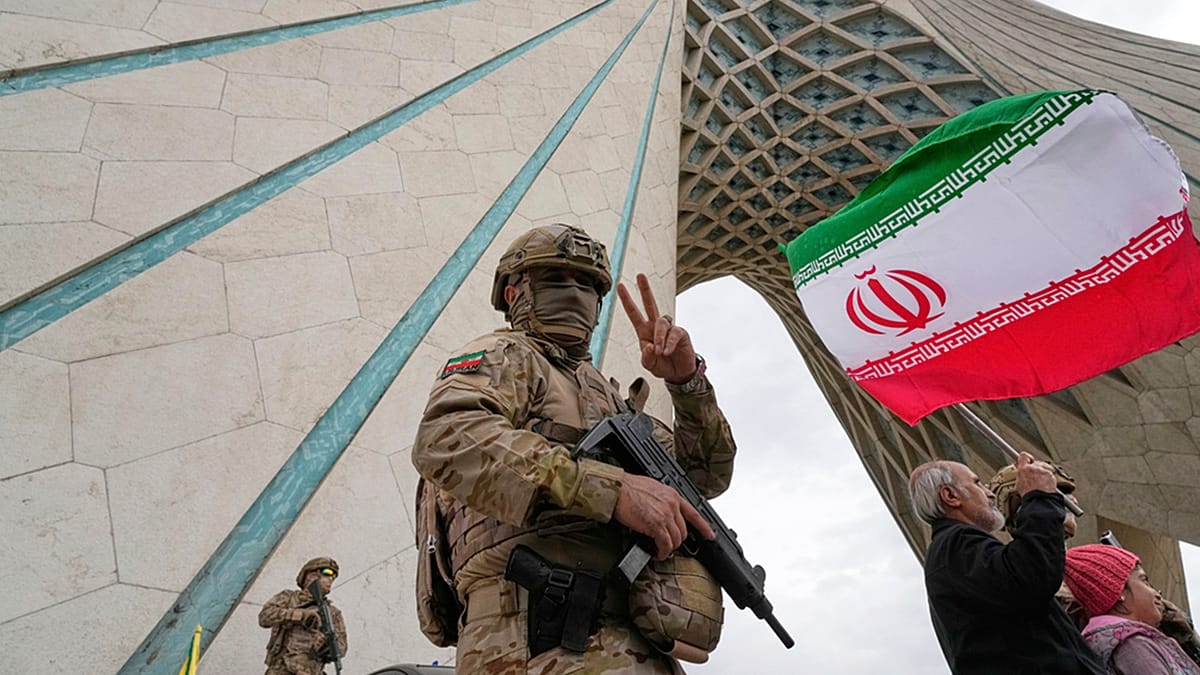
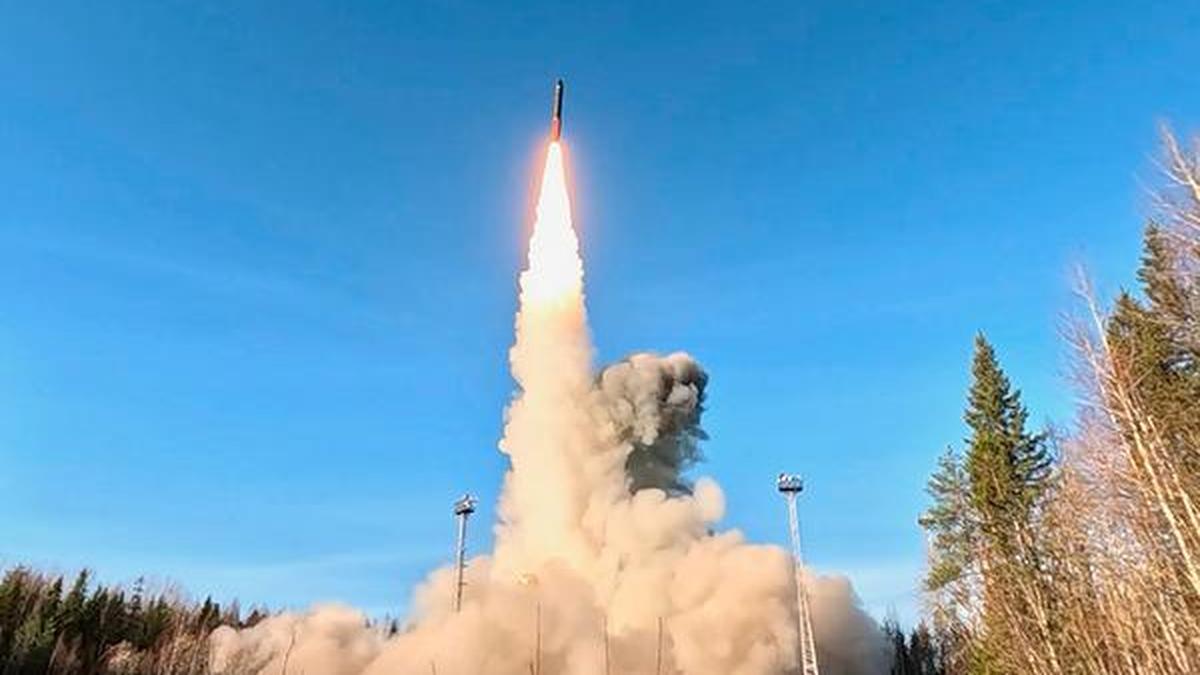
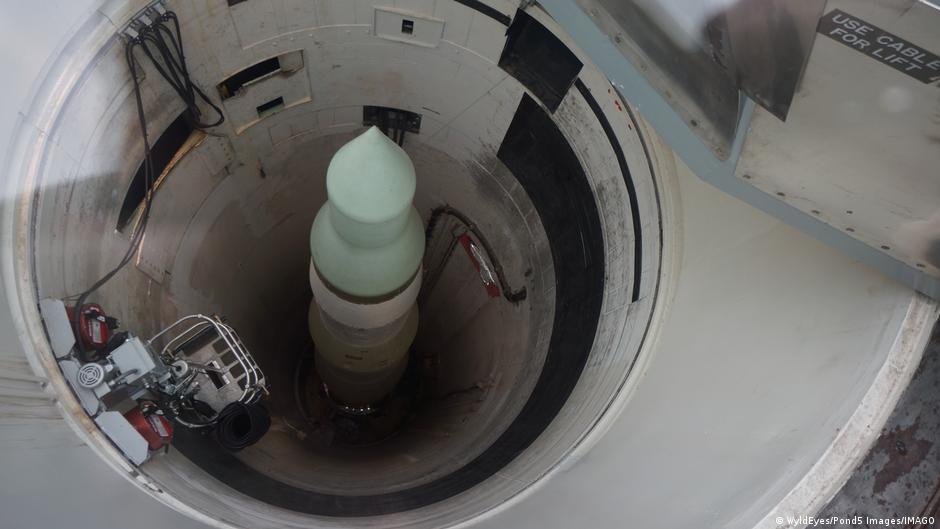
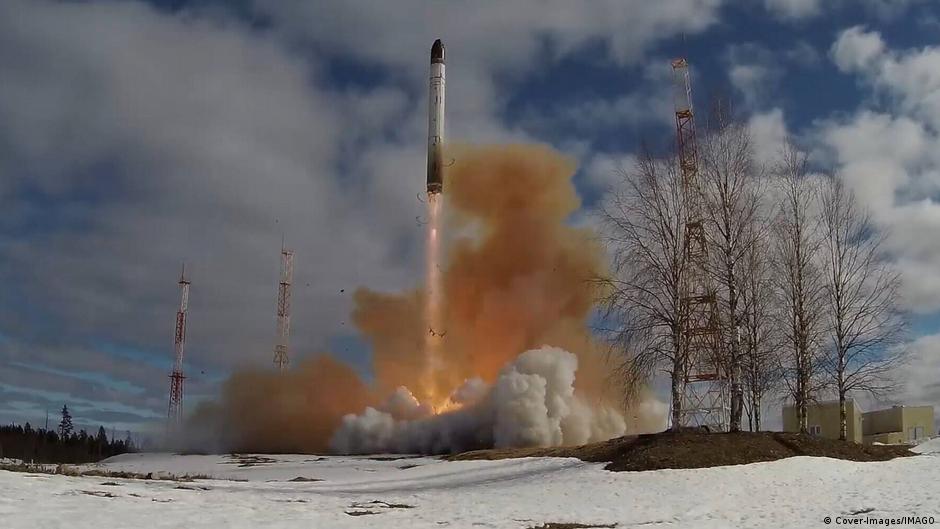
Fears of new arms race as US-Russia nuclear weapons treaty due to expire
BBC • 2/3/2026 – 2/4/2026
Summary
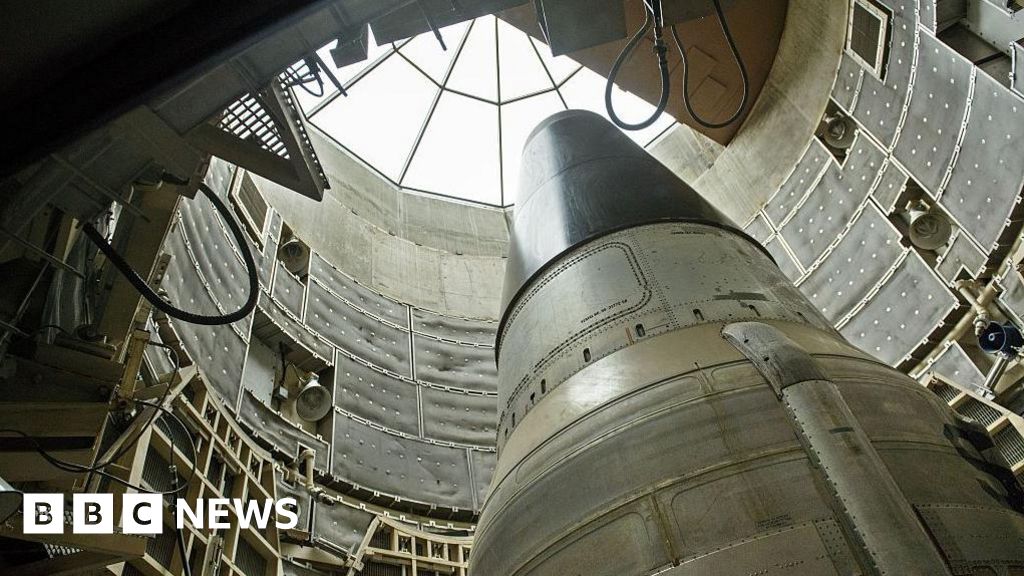
The New Start treaty, which has been instrumental in capping the number of deployed strategic nuclear warheads between the United States and Russia, is set to expire soon. This treaty has played a crucial role in nuclear arms control since its inception, fostering a framework for dialogue and cooperation on nuclear disarmament. As the expiration date approaches, concerns are mounting about a potential resurgence in nuclear arms competition between the two nations. The significance of this story extends beyond immediate geopolitical tensions, as it highlights a longstanding pattern of nuclear arms control efforts that have fluctuated over decades. The historical context of U.S.-Russia relations, particularly during the Cold War and subsequent arms reduction agreements, underscores the delicate balance of power that nuclear arsenals represent. The potential collapse of this treaty could signal a return to an era of unchecked nuclear proliferation, reminiscent of past arms races. This situation emphasizes the importance of diplomatic engagement and the need for robust frameworks to manage nuclear capabilities, reflecting a timeless struggle for global security and stability in a multipolar world. The implications of these developments resonate not only with current international relations but also with future generations' safety and the ongoing discourse on nuclear non-proliferation.
Advertisement
Cluster Activity
Lindy Score Breakdown (V4.2)
Story Timeline
- 2026-02-03
- 2026-02-04Fears of new arms race as US-Russia nuclear weapons treaty due to expire (current)
- 2026-02-05
AnalysisRisk 10
Same Story from 6 sources

Breaking Similar stories



Anti-Lindy Similar stories