Supreme Court hears challenge to birthright citizenship as Trump attends arguments
NPR • 4/1/2026

Summary
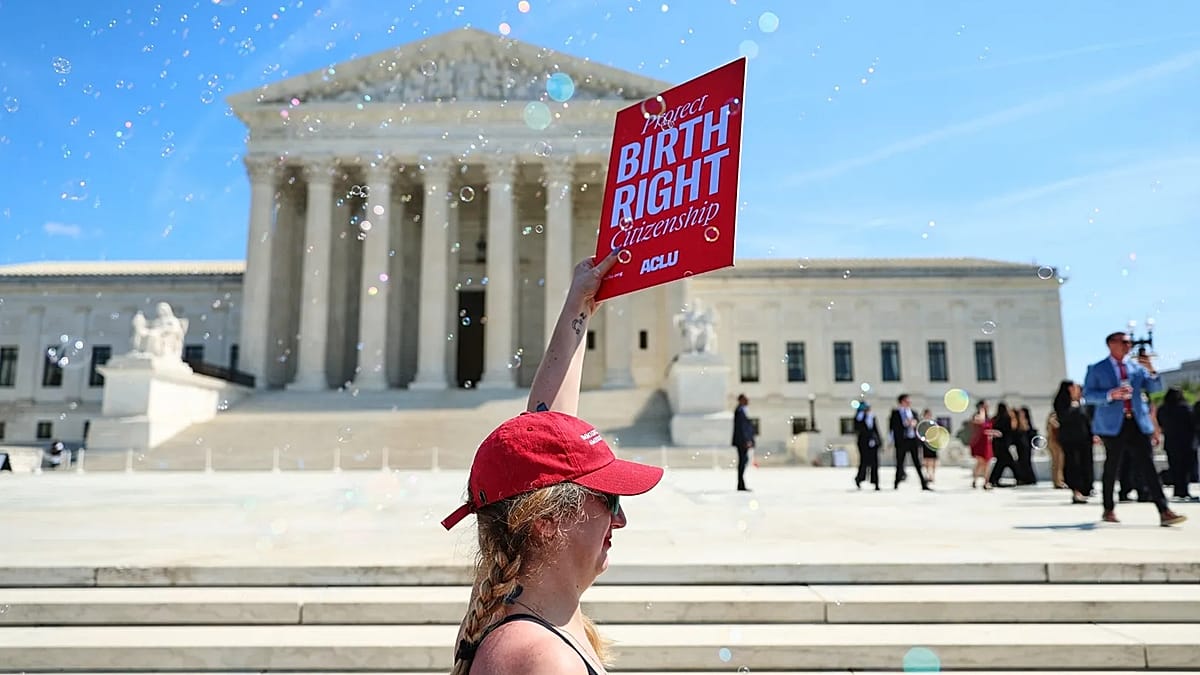
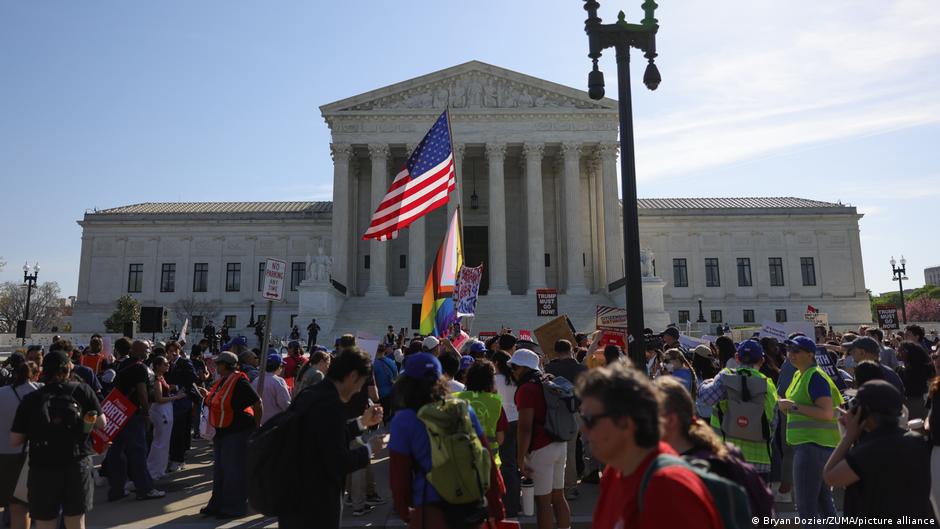
The U.S. Supreme Court recently heard arguments regarding a challenge to birthright citizenship, with former President Donald Trump attending the proceedings. This marks a historic moment as Trump is the first sitting president to appear at a Supreme Court oral argument. The case centers around an executive order Trump signed last year, which aimed to limit birthright citizenship for children born in the United States to parents who are in the country illegally or on temporary visas (Euronews, Deutsche Welle). During the Supreme Court hearing, the justices expressed skepticism about Trump's efforts to restrict birthright citizenship. The discussions raised questions about the legality and implications of the executive order, which seeks to alter longstanding interpretations of the 14th Amendment, which grants citizenship to all individuals born on U.S. soil (NPR, Euronews). Trump's presence at the court has drawn significant attention, emphasizing the political stakes involved in the case. Following the hearing, Trump made claims suggesting that the court had been influenced by foreign interests, although he did not provide any evidence to support this assertion (The Hindu). The outcome of this case could have far-reaching consequences for immigration policy and citizenship rights in the United States, as it challenges a fundamental aspect of American law. The Supreme Court's decision will ultimately determine whether Trump's executive order can be implemented or if birthright citizenship will remain unchanged.
Advertisement
Lindy Score Breakdown (V4.2)
Story Timeline
- 2026-04-01Supreme Court hears challenge to birthright citizenship as Trump attends arguments (current)
Score BreakdownRisk 30
Stories gain Lindy status through source reputation, network consensus, and time survival.
Same Story from 11 sources


Breaking Similar stories
Anti-Lindy Similar stories