Hungary sends fact-finding mission over Druzhba pipeline as Kyiv refuses to recognise delegation
Euronews • 2/20/2026 – 3/11/2026
Summary
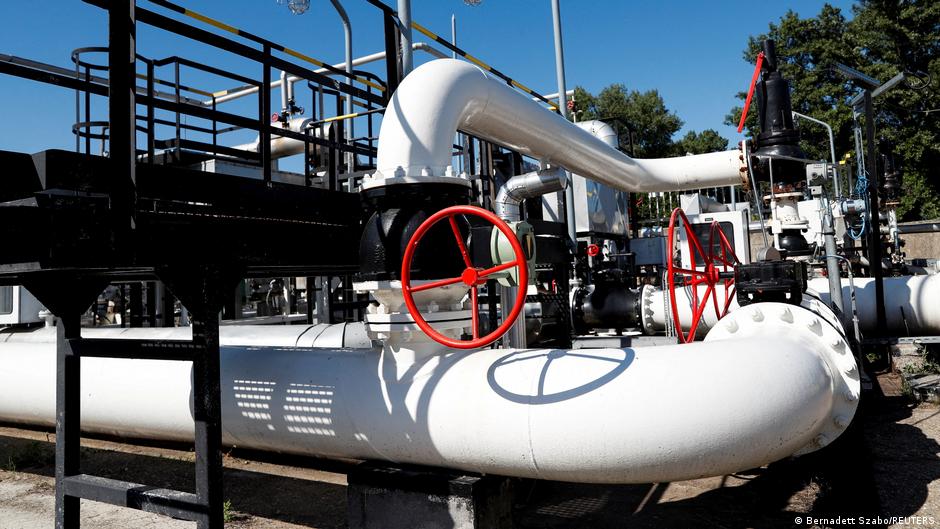
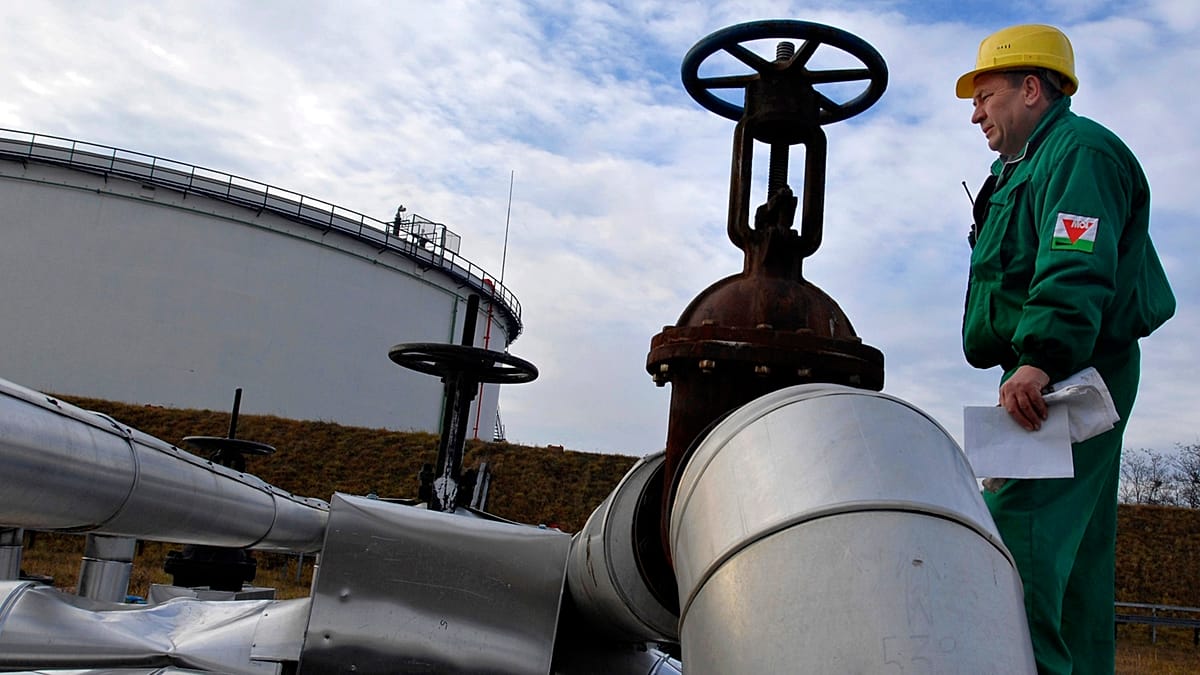
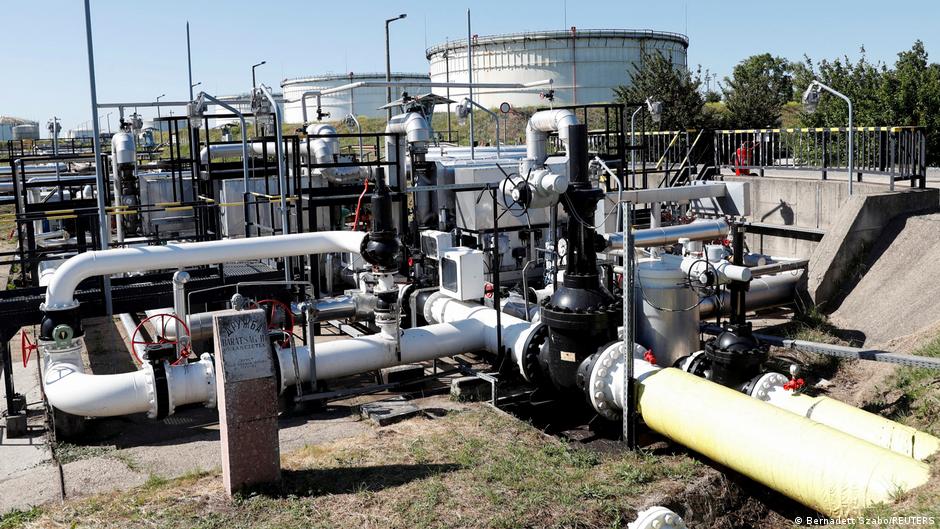
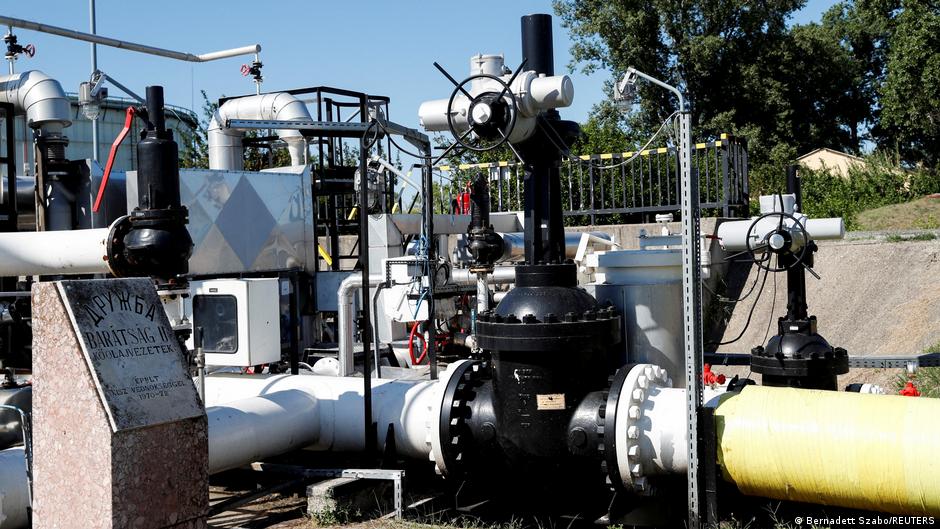
A Hungarian government delegation has entered Ukraine to assess the Druzhba pipeline, which was damaged in a Russian drone strike on January 27. Ukraine has refused to recognize the delegation, labeling its members as “tourists.” The Druzhba pipeline is crucial for transporting Russian crude oil to Hungary and Slovakia, and its closure has led to significant disruptions in oil supplies to these countries (Euronews, Financial Times). Hungary's Prime Minister Viktor Orbán has accused Ukraine of attempting to disrupt Hungary's energy system, escalating tensions between the two nations. In response to the ongoing oil supply issues, Hungary has announced plans to block a €90 billion European Union loan to Ukraine, citing the disruptions as the primary reason for this decision (Reuters, Financial Times). The European Commission has proposed an inspection of the damaged pipeline, urging Ukraine to allow this oversight to facilitate repairs (Euronews). Despite Hungary's concerns regarding oil supplies, the European Union has stated that neither Hungary nor Slovakia is at risk of oil shortages. Slovakia has also threatened to halt electricity supplies to Ukraine unless the transportation of Russian oil resumes, further complicating the situation (Financial Times, Reuters). The conflict over the Druzhba pipeline highlights the challenges faced by Hungary and Slovakia as they navigate the impact of the ongoing war in Ukraine on their energy infrastructure (The Hindu, Deutsche Welle). The Druzhba pipeline serves as the primary conduit for Russian crude deliveries to Central Europe, and its closure has significant implications for energy security in the region. The situation remains fluid, with Hungary seeking to address its energy needs while responding to the disruptions caused by the conflict (The Hindu, Deutsche Welle).
Advertisement
Cluster Activity
Lindy Score Breakdown (V4.2)
Story Timeline
- 2026-02-20
- 2026-02-21
- 2026-02-23
- 2026-02-24
- 2026-02-25
- 2026-02-26
- 2026-03-06
- 2026-03-09
Score BreakdownRisk 25
Stories gain Lindy status through source reputation, network consensus, and time survival.
Same Story from 11 sources





Breaking Similar stories







Anti-Lindy Similar stories