US FAA reopens El Paso airspace, says no threat to commercial aviation
Reuters • 2/11/2026
Summary
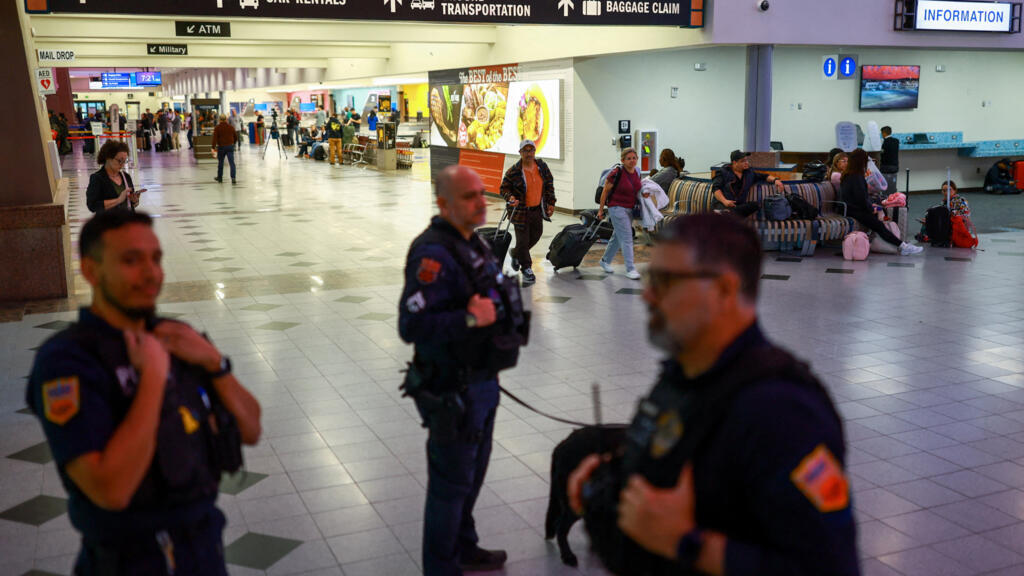
The Federal Aviation Administration (FAA) reopened the airspace over El Paso, Texas, stating that there was no threat to commercial aviation. The airspace had been closed for several hours due to "special security reasons," which initially caused disruptions to commercial flights and emergency medical transportation. The closure was originally announced to last for 10 days but was lifted after a few hours. Reports indicate that the closure was triggered by the deployment of an anti-drone laser by Customs and Border Protection (CBP), which did not allow sufficient time for the FAA to assess the risks to commercial aircraft (The Verge, AP News). The incident has drawn attention to the increasing use of drones by Mexican cartel groups, highlighting concerns about their growing arsenals. There were conflicting accounts regarding the reason for the airspace closure, with some sources suggesting it was related to cartel drones while others pointed to a dispute between the Pentagon and the FAA over the testing of counter-drone technology (The Guardian, AP News). Experts note that the use of drones by drug gangs at the U.S.-Mexico border has become more common, raising security concerns (The Guardian). The situation escalated when the Pentagon permitted CBP to use the anti-drone laser, which reportedly led to the abrupt airspace shutdown. The FAA's initial decision to close the airspace caused confusion and stranded some travelers, but the agency quickly reversed its decision after a few hours (The Hindu, Ars Technica). The incident underscores the complexities of managing airspace security in relation to emerging threats from organized crime.
Advertisement
Cluster Activity
Lindy Score Breakdown (V4.2)
Story Timeline
- 2026-02-11US FAA reopens El Paso airspace, says no threat to commercial aviation (current)
- 2026-02-12
- 2026-02-13
- 2026-02-16
AnalysisRisk 10
Same Story from 11 sources





Breaking Similar stories




Anti-Lindy Similar stories