Tunisia: Tunisia's Rights Defenders Decry Civil Society Crackdown
AllAfrica • 9/2/2026
Summary
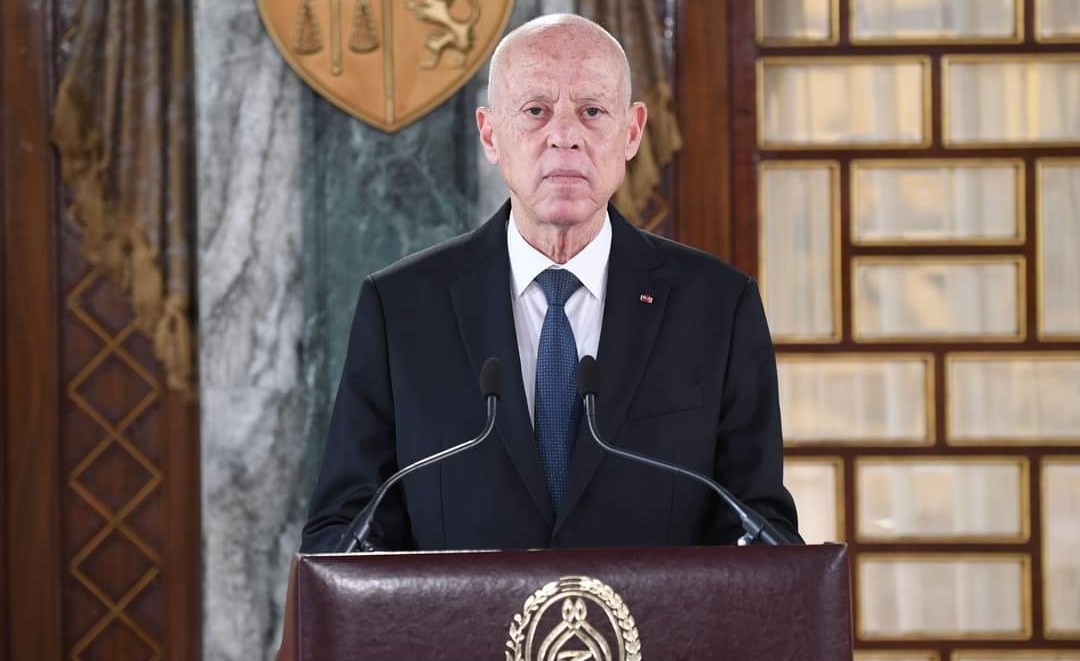
Five years into the authoritarian rule of Tunisian President Kais Saied, there is growing concern regarding the state of civil society in Tunisia. Human Rights Watch and various activists have raised alarms about the potential complete stifling of what was once a vibrant civil society. The current political climate under Saied's leadership has prompted these organizations to warn that the rights and freedoms of citizens are increasingly under threat. The crackdown on civil society is characterized by stringent measures that limit the activities of human rights defenders and other civic organizations. Activists have expressed fears that the environment for civil society is deteriorating, which could lead to a significant decline in public discourse and civic engagement. This situation is alarming for those who advocate for human rights and democratic governance in Tunisia. The implications of this crackdown extend beyond immediate restrictions on civil society organizations. The erosion of civil liberties may hinder the ability of citizens to express dissent and engage in political processes. As Tunisia navigates its post-revolutionary landscape, the actions taken by the government under Saied's rule raise critical questions about the future of democracy and human rights in the country. Overall, the warnings from Human Rights Watch and activists highlight a troubling trend in Tunisia, where the authoritarian governance model threatens to undermine the foundational principles of civil society and human rights.
Advertisement
Lindy Score Breakdown (V4.2)
Score BreakdownRisk 50
Stories gain Lindy status through source reputation, network consensus, and time survival.
Breaking Similar stories